
The field of cell therapy has received new investment from Japanese companies Takeda Pharmaceutical, Fujifilm and Astellas Pharma, each seeking to stake its claim in the burgeoning industry.
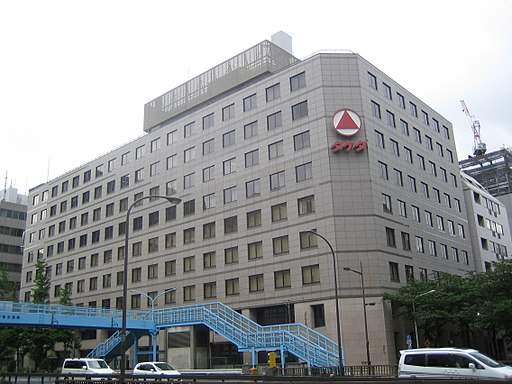
Drugmaker Takeda and photo giant Fujifilm are entering into a partnership to develop regenerative medicine treatments for heart failure. The collaboration aims to bring heart muscle cells derived from induced pluripotent stem cells (iPSCs) to the market, combining Fujifilm’s knowledge of manufacturing iPSCs with Takeda’s apparent knack for securing regulatory approval for new treatments.
Go deeper with GlobalData


Discover B2B Marketing That Performs
Combine business intelligence and editorial excellence to reach engaged professionals across 36 leading media platforms.
In a separate venture, Astellas will pay up to $102 million for the acquisition of Seattle-based biotech Universal Cells, known for its work altering the human leukocyte antigen to decrease chances of donor rejection in cell therapy. The purchase will give Astellas access to Universal Cells’ technologies and hopefully provide resources to develop a number of regenerative therapies.
Over the past few years the cell therapy industry has received numerous investments from Japanese companies and government bodies. Only last year Japan’s Education Ministry announced its plans to spend 110 billion yen ($1.13 million) on induced pluripotent stem cells (iPS) research over the next 10 years. In 2015 Fujifilm paid $300 million for Cellular Dynamics, a US company that developed a cell therapy for macular edema. Chemical manufacturer Hitachi Chemical is developing autologous stem cells, created by extracting stem cells from patients, growing them in incubators and grafting them back into participants.
Innovative treatments are also being developed by Japanese firm Megakaryon. The company has put much of its efforts into iPSCs, created through biochemically reprogramming cells back to an embryonic state. From here they can be transformed into any type of cell needed to treat disease. Early clinical applications vary from creating neurons to replace damaged brain cells in Parkinson’s disease patients, to making retinal cells to reverse failing eyesight. In August 2017 Megakaryon announced its clinical trials for the mass-production of clotting platelets using iPS cells will begin in Japan and the US this year, and in Europe in 2019.
Japan’s growing interest in cell therapy is partially due to Prime Minister Shinzō Abe’s plan to develop the country’s economic growth, incorporating the development of regenerative medicines into the scheme. As a result Japan has established its reputation as a ‘gate country’ for innovative cell therapy medicines, accelerating commercialisation and addressing a gap in the medical market.
Two 2014 laws also established a fast-track for product approvals in Japan. These were the Act on the Safety of Regenerative Medicine, and the Pharmaceuticals and Medical Device (PMD) Act. According to these laws once a company has proven the safety and basic efficacy of a cell therapy in humans and has manufactured the product to the standards laid out in the PMD Act, the medication can receive conditional approval for up to seven years. Such an accelerated pathway for clinical testing means companies from around the world are looking to carry out their clinical trials in Japan, making it a key player in the global development of cell therapies.


