
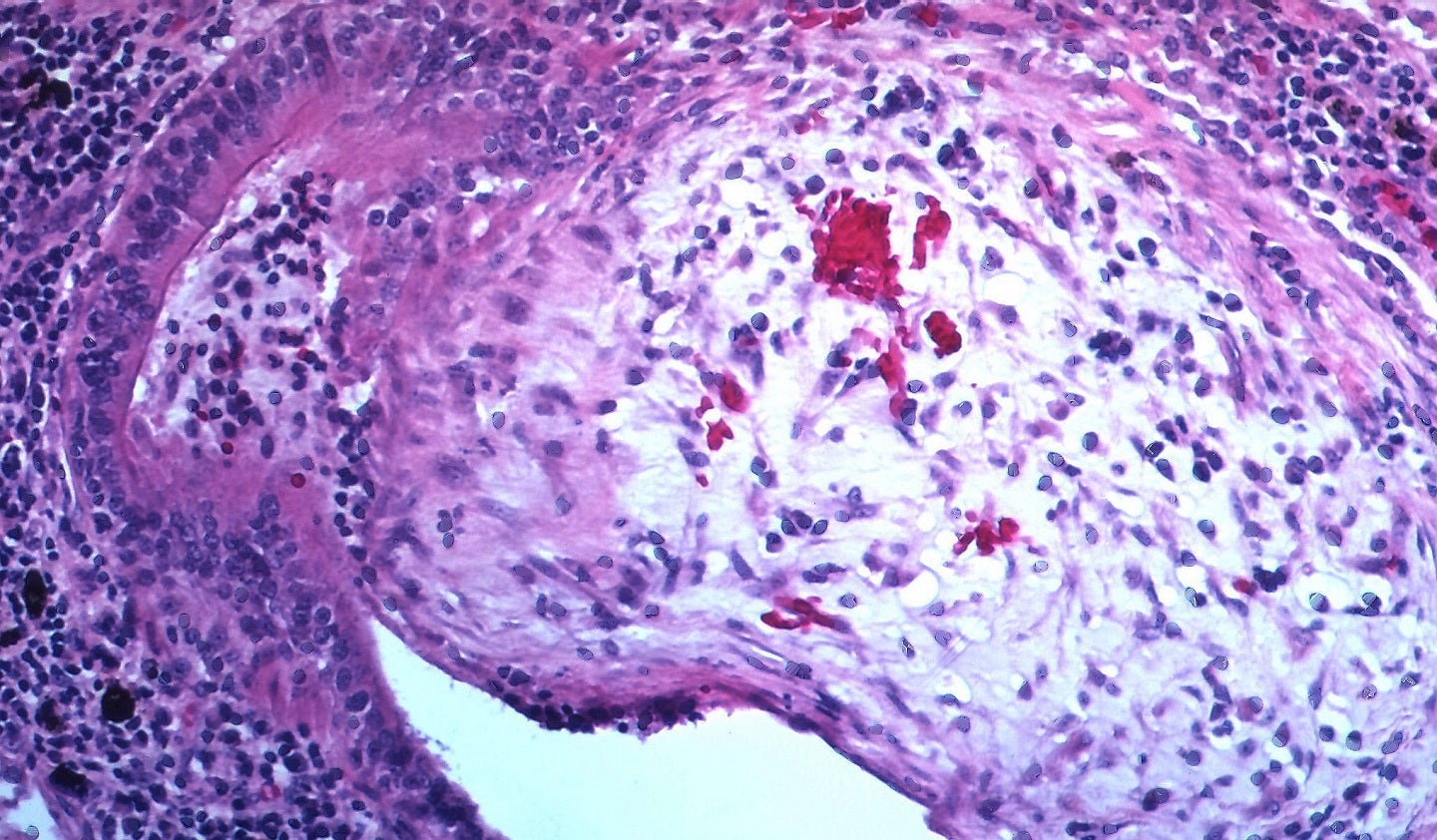
Renovion has enrolled the first patient in a Phase III trial of ARINA-1, which is designed to prevent the progression of bronchiolitis obliterans syndrome (BOS) in patients with a bilateral lung transplant.
The study will assess the safety and efficacy of the investigational nebulised therapy ARINA-1 in around 100 individuals across 15 US sites.

Discover B2B Marketing That Performs
Combine business intelligence and editorial excellence to reach engaged professionals across 36 leading media platforms.
Renovion chief medical officer Marty Zamora said: “ARINA-1 has the potential to be implemented early in pulmonary function decline in patients who are experiencing early signs of BOS. It has a strong safety profile and poses minimal risk to an unstable patient population.
“Today, there are no FDA-approved therapies to treat patients at the point of this initial drop in lung function.
“This Phase III NDA-enabling trial is an important step in our efforts to provide patients with a safe and effective potential therapy to treat a drop in lung function more proactively.”
ARINA-1 restores lung health by clearing mucus and helps in reducing airway inflammation.
The company is also planning to initiate trials of ARINA-1 for treating chronic inflammatory airway diseases, including non-tuberculous mycobacteria-pulmonary disease and non-cystic fibrosis bronchiectasis.
The off-label therapies that are used for the treatment of BOS, the most common form of chronic lung allograft dysfunction, are showing serious side effects like infections.
Within five years of a lung transplant, around 50% of all lung transplant patients are developing BOS.


