
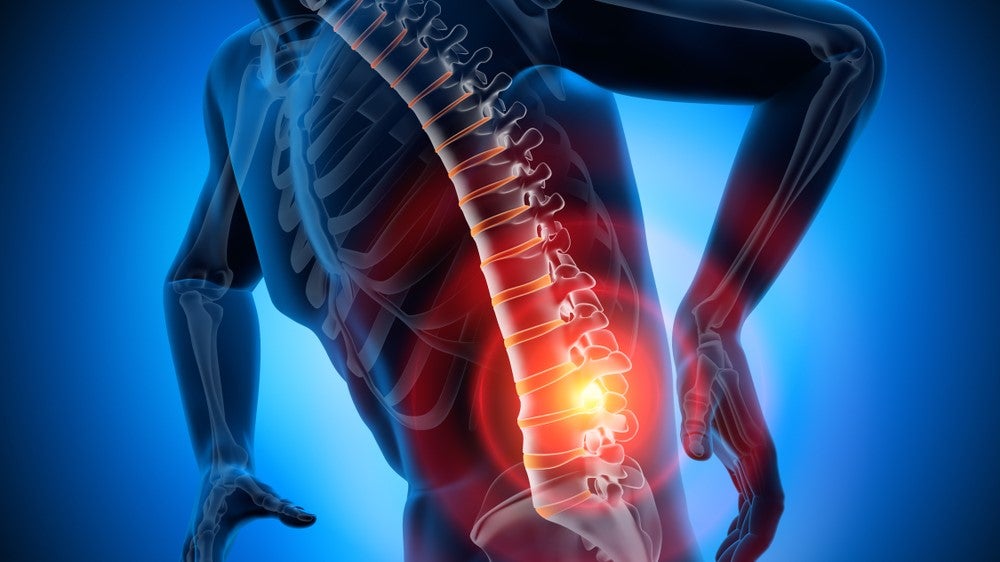
Relievant Medsystems has published a study detailing three-year pooled results from clinical trials evaluating the Intracept procedure for patients with vertebrogenic low back pain.
The results show long-term relief with a reduction in the use of pain medication.
Go deeper with GlobalData


Discover B2B Marketing That Performs
Combine business intelligence and editorial excellence to reach engaged professionals across 36 leading media platforms.
The International Association for the Study of Pain (IASP) reports low back pain as the leading cause of global disability, with its burden increasing with ageing and a rise in the global population. This pain is often treated conservatively with pain medication.
The study was published in the Spine Intervention Society’s (SIS) open-access journal, Interventional Pain Medicine. These results are consistent with previously published five-year outcomes with Intracept nerve ablation procedure.
The Intracept procedure is minimally invasive and uses intraosseous radiofrequency ablation of the basivertebral nerve (BVN), which causes chronic low back pain (CLBP), to treat vertebrogenic pain. The procedure takes approximately one hour and is categorised as a same-day outpatient treatment.
GlobalData has identified that more than 600 trials for CLBP have been initiated over the past ten years; however, most of the products in development are based on conventional mechanisms of action.
GlobalData is the parent company of the Clinical Trials Arena.
The trials included in the study were INTRACEPT trial (NCT03246061), which compared the Intracept procedure with standard non-surgical care in patients with CLBP, and CLBP short-term and long-term cohort study (NCT03266107; NCT05207813).
Intracept’s three-year data
The primary outcomes are a mean change in the Oswestry Disability Index (ODI), ODI questionnaire scores on a scale of zero (no disability) to 100 (complete disability), and a low back assessment using a subject-reported ten-point numeric pain scale (NPS), from zero (no pain) to ten (worst pain imaginable).
Three-year follow-up data was aggregated from 53 patients from the INTRACEPT trial and 42 patients from the CLBP cohort study.
A mean improvement of 31.2 points and 4.3 points from baseline was recorded after three years in ODI and NPS, respectively.
Patients requiring opioid medication and spinal injections for pain management were reduced by 74% and 84%, respectively.
Of the 95 patients in the study reported, 71% returned to the same level of activity as before CLBP, with 26.3% of the patients completely free from pain.
Lead study author Matthew Smuck said: “These aggregated three-year results demonstrate the sustained effectiveness of basivertebral nerve ablation in improving patients’ pain, productivity, and quality of life while decreasing their healthcare utilisation.”


