

In recent years, the UK clinical trials sector has faced stiff competition as it looks to build a strong global legacy, with rivalries extending across the globe from the US, a mainstay player, and China, an up-and-coming leader in the space.
However, experts at the 13th annual Outsourcing in Clinical Trials UK & Ireland conference, held in London on 9 and 10 June, note that emerging threats may also lie closer to home, with hubs like the Catalonia region in Spain excelling on the global stage.
Go deeper with GlobalData


Discover B2B Marketing That Performs
Combine business intelligence and editorial excellence to reach engaged professionals across 36 leading media platforms.
With attendees laser-focused on how Britain can attract pharma and biotech interest in the region as a clinical trial hub, speakers were keen to discuss how the UK fares against its global oppositions, what the country can do to differentiate itself amid fierce competition, how Britain can keep up, and steps that industry bodies are taking to achieve this.
Taking a leaf out of Spain’s book
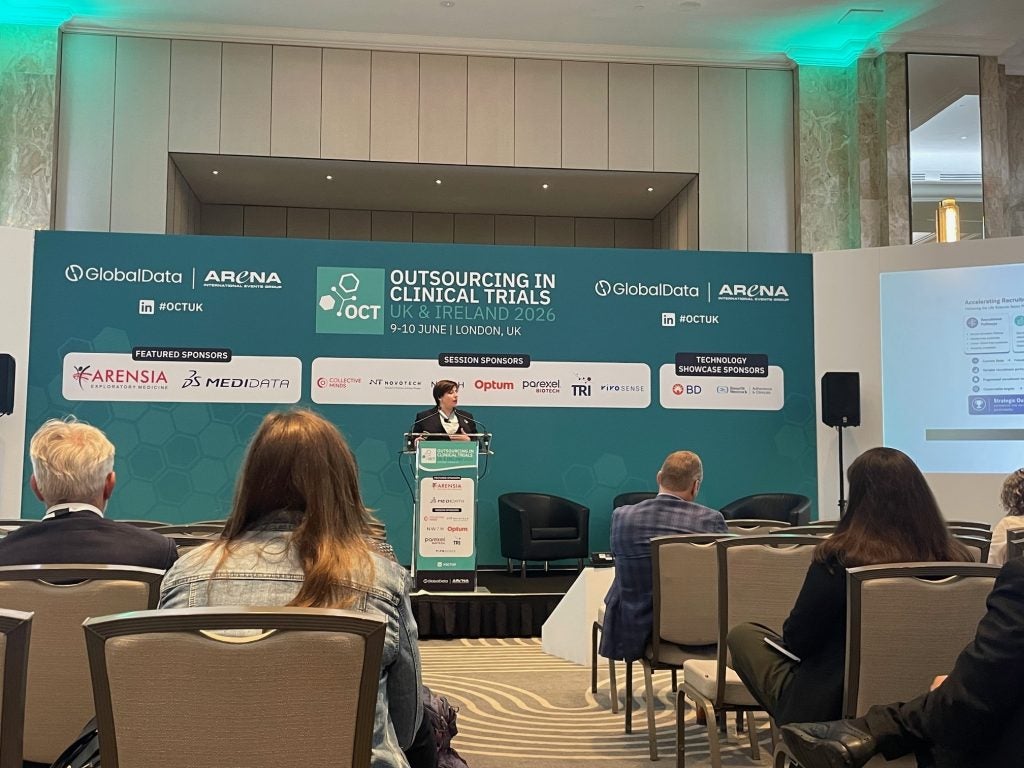
As the UK government, as well as businesses in the life sciences space, aim for glory on home soil, experts note that Britain could benefit from learning from Spain’s success – specifically in Catalonia. In a panel session at OCT UK, Suki Balendra, director of strategic partnerships at Paddington Life Sciences, spoke of the thriving clinical trials and biotech hub she encountered on her visit to the region, which she said hosts more than 1,600 biotech companies alone.
As Spain’s biotech ecosystem grows, Balendra noted an important factor underpinning Catalonia’s success is its capacity to attract commercial sponsors, with three-quarters of the studies conducted in the area classed as commercial. This is in stark contrast to the UK, in which only one-fifth of the studies are commercially run.
“It’s truly impressive,” Balendra iterated, adding that the fortification of its academic base to build on the commercial side, as well as its cohesive system, strong speciality expertise and good infrastructure, should be what the UK is aiming for too, as the British healthcare ecosystem struggles with siloing and fragmentation.
To catch up with Catalonia, Maria Koufali, director of life sciences at the UK’s National Institute for Health and Care Research (NIHR), said that the nation must work together to drive recruitment growth and educate the workforce across Britain, while focusing on conducting more commercial trials within NHS trusts. Alex Churchill, deputy director, clinical trials policy, Department of Health and Social Care (DHSC), added that the UK could achieve this by carefully using funds from the Voluntary Scheme for Branded Medicines Pricing and Access (VPAG) agreement.
Churchill also touted the benefit of recruitment in a different context, noting that the UK must do more to enrol patients onto commercial trials in a bid to stay competitive with rising stars like Spain.
UK addresses pain points
While the UK endeavours to become a key global player in the clinical trials space, the British government has been at work implementing several policies to improve the nation’s workflow agility and efficacy in this niche – with efforts spanning across frameworks like the Life Sciences Sector Plan and the 10 Year Health Plan, as well as more specialist initiatives such as the National Healthtech Access Programme (NHAP) and the National Cancer Plan for England.
The UK government is not the only body looking to bring about change across Britain’s clinical trials sector, as the UK’s Medicines and Healthcare products Regulatory Agency (MHRA) is also taking a revised approach to regulation, said the MHRA’s Director of Clinical Practice Research Datalink (CPRD), Puja Myles, in a keynote session. In the talk, Myles outlined the agency’s sharpened focus on building a “proportionate, streamlined, agile and flexible framework” as some other regulators remain less risk-averse.
One of the ways the agency hopes to achieve this is by putting a 60-day target review time for new clinical trials evaluating the potential of investigational medicines – a process that Myles said has prompted “incredible progress” already. The MHRA, much like its regulatory peers in the US, is hoping to further streamline by incorporating artificial intelligence (AI) into the daily workflow, where it is used to pull key information from an application – though the agency doesn’t currently use the technology to guide the review process.
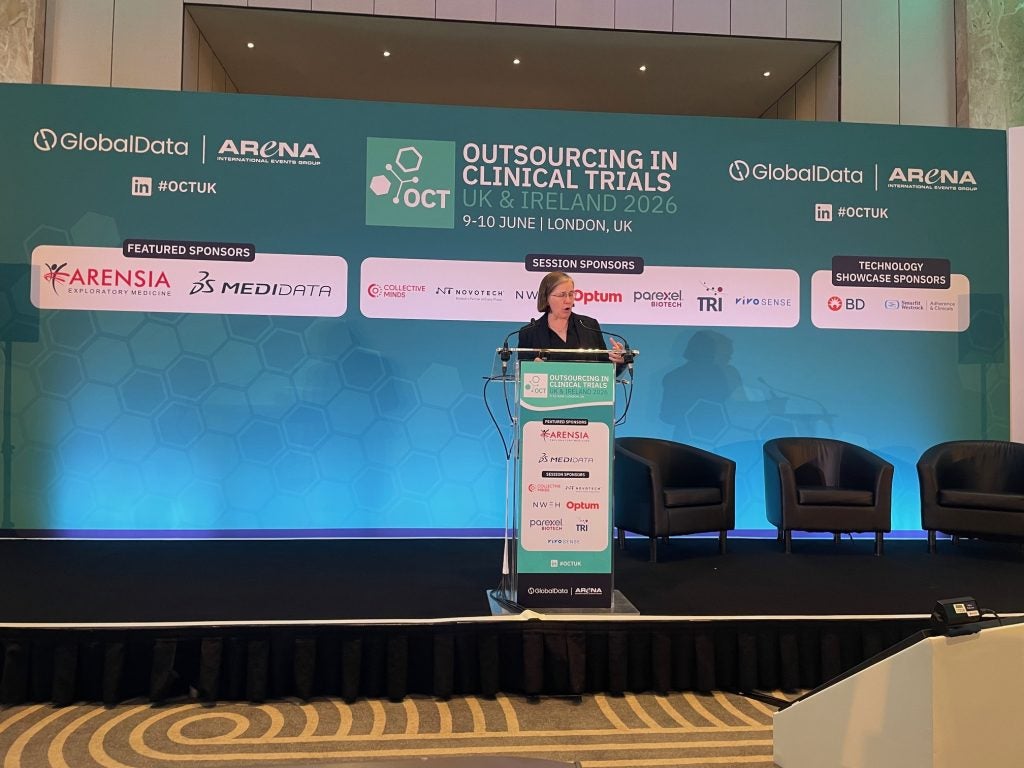
The NIHR is also devising ways to make the country more appealing to sponsors, with initiatives including the 150-day trial setup benchmark and its ploy to promote “radical transparency” of data, as well as reducing barriers to allow patients from all backgrounds to participate in research, with a specific focus on “upstream treatment, rather than waiting for downstream of end of life options”, said the NIHR’s CEO, Lucy Chappell, in a keynote session.
Creating a commercially driven UK clinical trials environment
As Spain pulls ahead in attracting commercial trials, speakers at OCT UK 2026 stressed the importance of making the NHS the go-to location for commercial clinical trials, as this remains a vital piece of the puzzle for patients requiring access to the latest innovative therapies.
To achieve this, Churchill believes at least part of the focus should lie on building a stronger research workforce within the NHS.
If successful, this could alter the experience of professionals like Balendra, who said she would often “win the business” to bring clinical trials to the UK, but would face roadblocks in finding investigators or support departments that could take on the task.
For commercial sponsors to choose the UK, Balendra believes that NHS trusts should look to form more strategic and long-term direct partnerships with commercial sponsors, as the industry “constantly wants us [NHS trusts and their services] to change and evolve”.
Chappell added that the “right research, right setting” principle will become increasingly important, as clinical trials increasingly shift to hybrid and primary & community care models, which can offer a “more efficient and effective” way to run trials in certain circumstances, she notes.
In a previous interview with Clinical Trials Arena’s sister publication, Pharmaceutical Technology, British biotech CEO Ros Deegan emphasized the need for the UK’s medicines landscape to shift towards a ‘launch market’ model, where healthcare providers routinely prescribe standard of care therapies to patients to attract more commercial, late-stage studies to the nation and shift the focus away from Britain’s traditional role in early-stage R&D.
Painting a positive picture for UK life sciences
While powerhouses in the clinical trials sector all acknowledge the UK must address several pain points to bolster its overall competitiveness, they also point to an optimistic future, as Britain’s R&D efforts, academic expertise, strong primary care infrastructure and data assets offer a golden opportunity for both British and global companies.
These plus points are compounded by the NHS’s refined focus on commercial clinical trial delivery, Balendra said – meaning regular discourse from industry with the government appears to be paying off.
By harnessing a collaborative approach, focusing on creating a strong commercial environment and taking some lessons from Spain, experts have faith that the UK can work towards its goal of becoming a disruptor across the global landscape – offering powerhouses like China and the US some healthy future competition to contend with.
Interested in attending or sponsoring the Outsourcing in Clinical Trials UK & Ireland conference? Complete the form below and the Arena team will be in touch.


