
Premium Content

Surveillance and vaccine could protect against higher cancer risk from Lynch syndrome
According to an estimation from Cancer Research UK, up to 12 out of every 100 cancers are associated with inherited gene changes.

US Executive Order 14420 and potential implications for diphtheria vaccination
Executive Order (EO) 14420, published 10 August 2026, declared two changes that would affect the diphtheria vaccine.

Analysts praise intismeran’s landmark Phase III win, look to further data
Eyes are now on intismeran’s upcoming Phase II RCC readout, which they say could signal the drug’s wider potential across the solid tumour space.

AstraZeneca trips in PD-1 bispecific market after Phase III NSCLC failure
This setback marks a major blow to AstraZeneca as it strives to lead the wave of PD-1–based BsAbs in the treatment of solid tumours across Western markets.
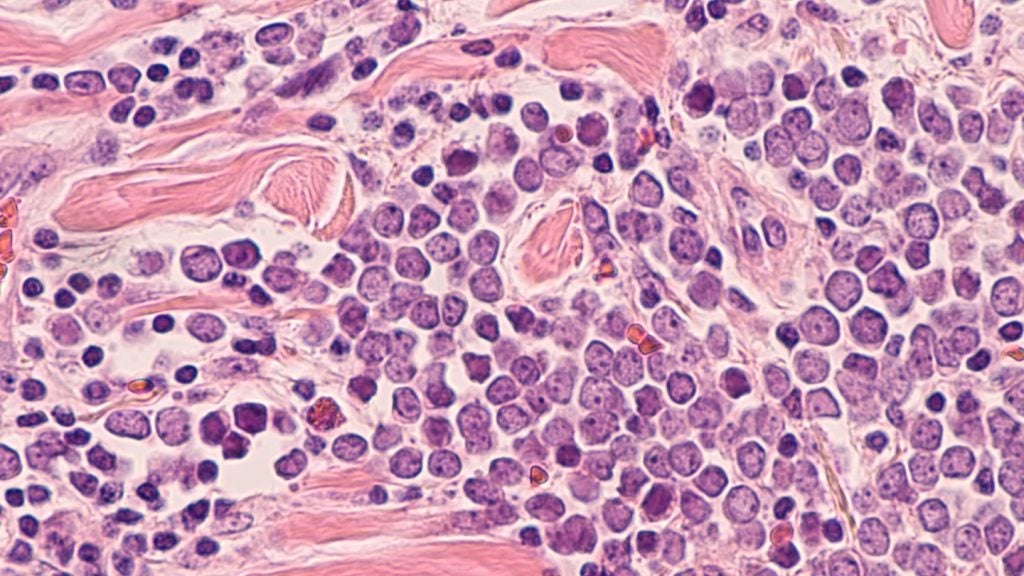
Study finds metabolic biomarker signature to assist with early HNSCC detection
According to the WHO, HNSCC ranks as the seventh most common cancer and is the sixth leading cause of cancer-related mortality worldwide.
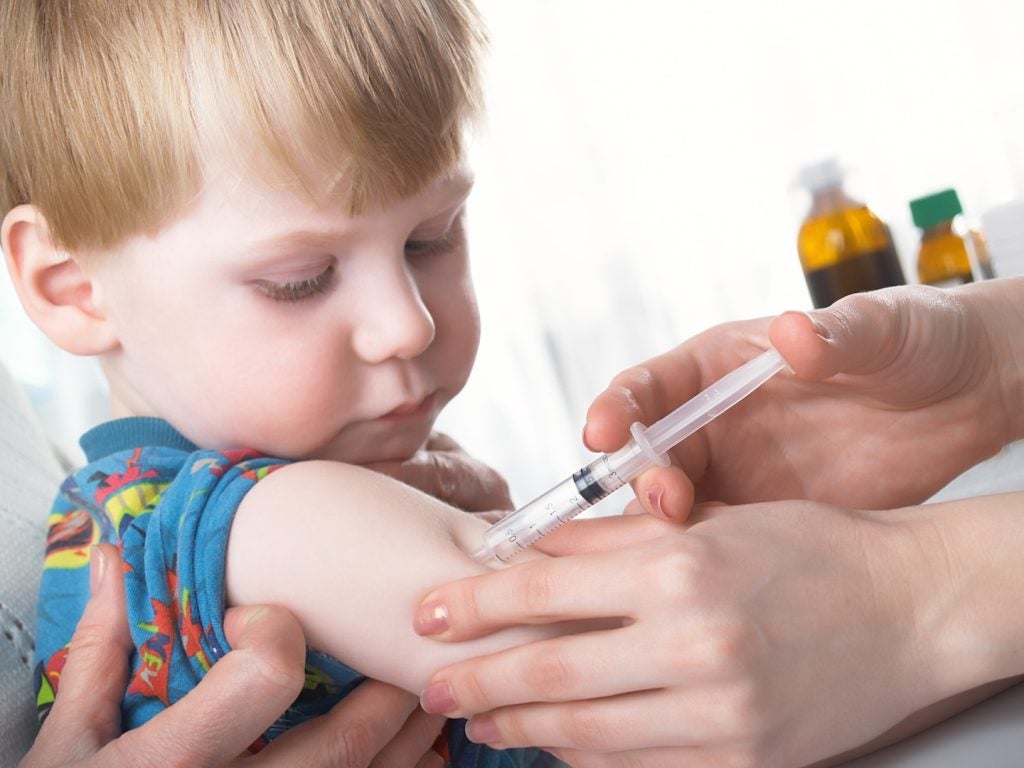
The changing landscape of childhood infectious disease in the US
According to the latest CDC data, there have been 2,566 measles cases to date in 2026, of which 93% are in those who are unvaccinated or have an unknown vaccination status.

Long-acting HIV therapies gain momentum, but pricing and access challenges remain
GlobalData forecasts that the HIV market across the seven major markets (7MM) will increase from $26.4bn in 2023 to $30.6bn in 2033.

ICH GCP Annex 2 will strengthen sponsor confidence in the use of DCTs and RWD
Sponsors have increasingly adopted new clinical trial models, including decentralised trials and real-world data, but global regulatory harmonisation has been lacking.

Barriers stopping US biotechs from running FIH trials on home soil
The survey data comes shortly after the US Government announced Operation Trialblazer to boost Phase I research in the US.

UK study finds sharp increase in type 2 diabetes incidence
Results from a recently published study show a sharp increase in the incidence of type 2 diabetes in the 2020s, particularly among young people.