

For much of the last two years, there has only been one real way to treat metabolic dysfunction-associated steatohepatitis (MASH). When the US Food and Drug Administration (FDA) approved Madrigal’s resmetirom (Rezdiffra) in March 2024, it was the first marketed drug ever for a disease that affects millions of American adults and is now among the leading causes of liver transplant in the US and Europe. For a field defined by a decade of expensive Phase III failures, a single oral, liver-directed, once-daily pill that improved fibrosis on biopsy was a genuine step forward.
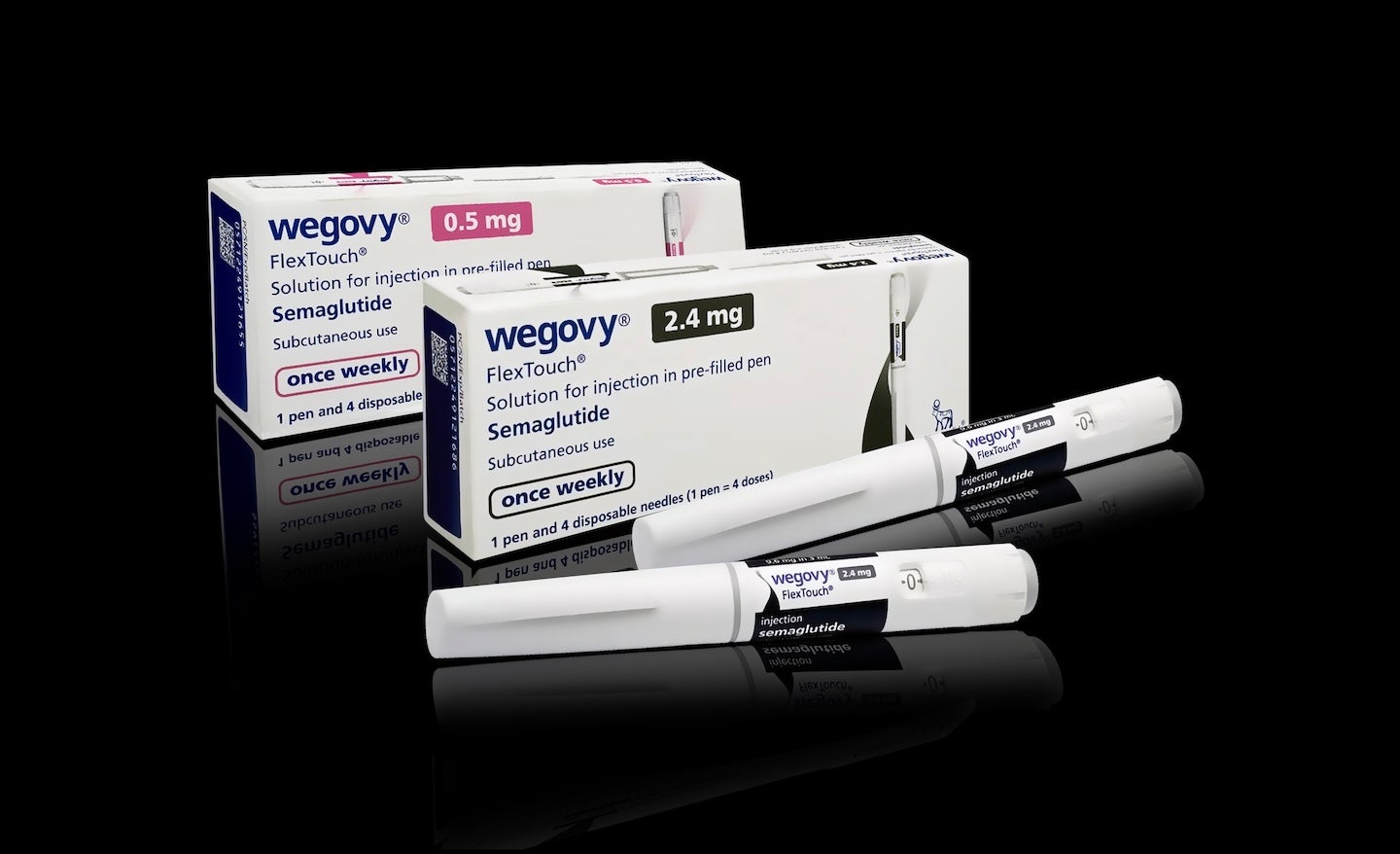
That monopoly is already over, and the pace at which it is unraveling is the real story of 2026. Semaglutide’s approval for MASH last August made it a two-drug market and, more importantly, invited the entire GLP-1 space into hepatology. What was seen at the EASL Congress in Barcelona in late May, and then at the ADA meeting in New Orleans two weeks later, is what comes next. Rezdiffra is no longer the only option; it is the incumbent to beat, and it is being approached from two different mechanistic directions at once.
Go deeper with GlobalData


Access deeper industry intelligence
Experience unmatched clarity with a single platform that combines unique data, AI, and human expertise.
The headline liver readout at EASL 2026 belonged to Altimmune’s pemvidutide, a 1:1 glucagon/GLP-1 dual receptor agonist, which presented 48-week data from the Phase IIb IMPACT trial. The justification behind the mechanism seemed promising: the GLP-1 arm would drive appetite suppression and weight loss, while glucagon-receptor activation acted directly on the liver to burn fat and, in theory, dial down inflammation and fibrosis.
However, the data that emerged was encouraging, but mixed. At 24 weeks, IMPACT met its co-primary endpoint of MASH resolution without worsening of fibrosis, with resolution in up to roughly 59% of treated patients versus placebo. It also delivered liver-fat reductions near 60% and weight loss of 5%–6% with no plateau and, notably, best-in-class tolerability, with under 1% of patients discontinuing and no dose titration required. Nevertheless, it missed its second co-primary endpoint of at least one-stage fibrosis improvement, due to a high placebo response. Though there were indications of potency against fibrosis in results for non-invasive markers such as enhanced liver fibrosis (ELF) and liver stiffness, and fibrosis regression on digital pathology, the drug had failed to satisfy the biopsy endpoint on which regulators base drug approvals.
That distinction is the whole ballgame for the Phase III PERFORMA trial, expected to start in the second half of this year. Resmetirom and semaglutide were both approved on histologic fibrosis improvement, albeit neither achieved this until the conclusion of their respective Phase III trials—MAESTRO-NASH and ESSENCE—with semaglutide even failing this endpoint at Phase II. Semaglutide’s eventual success as the first incretin to achieve biopsy-proven fibrosis benefit provided clear confirmation of the potential of metabolic drugs in the MASH therapy space, though it remains to be seen whether pemvidutide will be able to carry the torch.
ADA 2026 further underlined the growing momentum of this drug class. Boehringer Ingelheim touted positive data from the Phase III SYNCHRONIZE program of survodutide, its glucagon/GLP-1 dual agonist, in patients with obesity and metabolic dysfunction-associated steatotic liver disease (MASLD). The trial met both co-primary endpoints, normalising liver fat (below 5%) in 61% of treated patients versus under 6% on placebo, driving at least a 30% relative liver-fat reduction in up to 84% of patients, and producing weight loss of up to roughly 12%. Though these results were promising, the trial should be considered with caution: this was a liver-fat and weight trial in a metabolic population, not one of the biopsy-confirmed histology and outcomes trials (the LIVERAGE program) that will ultimately define survodutide’s MASH label. However, it lends further credence to the glucagon/GLP-1 mechanism, and it does so with impressive weight loss data.
It was not the only major player to showcase its potential in the liver. Eli Lilly’s triple GIP/GLP-1/glucagon agonist retatrutide, arguably the most anticipated presentation of the meeting, rolled out full data with a dedicated MASLD program among its many Phase III readouts due this year, and Novo Nordisk presented fresh post-hoc analyses from the semaglutide ESSENCE trial. This may suggest that for many patients, the first MASH drug they encounter may simply be the GLP-1 they were already going to take for weight or diabetes, providing a distribution advantage that no liver-specific incumbent can replicate.
While GLP-1s challenge Rezdiffra from the metabolic side, the FGF21 analogs focus on fibrosis. This class has produced some of the most striking antifibrotic data in the field, including the first credible signals of cirrhosis reversal in Akero’s Phase IIb SYMMETRY study of efruxifermin. Impressive fibrotic results have also been shown for other FGF21 analogs, such as efimosfermin and pegozafermin. The deal flow has reflected this potential—in 2025, Novo Nordisk acquired Akero, Roche acquired 89bio, and GSK bought efimosfermin from Boston Pharmaceuticals.
Nevertheless, resmetirom’s first-mover advantage, real-world safety record, oral convenience, and weight-neutral, liver-directed profile give it a durable role. However, in the future, that role may shift from the treatment to a backbone. The endgame in MASH is almost certainly combination therapy. A disease with metabolic, inflammatory, and fibrotic components is unlikely to yield to a single mechanism. Novo Nordisk is already in a particularly powerful position, holding both semaglutide, the first approved GLP-1 for MASH, and efruxifermin, a best-in-class FGF21 antifibrotic. Madrigal has also been radically expanding its pipeline from just one drug candidate to 13 in the space of months, including combination therapies involving Rezdiffra with a GLP-1 agonist, with siRNA assets from Ribo, and Pfizer’s ervogastat.
Two years ago, the question was whether MASH could be effectively treated at all. Today, it is about finding which of a diverse range of drug candidates could have the most success, particularly in combination with another. The focus on incretins and FGF21 analogs over THR-β agonists suggests that Rezdiffra could become the benchmark that other assets are measured against, rather than the platform they are built on. Ultimately, this will depend on whether its future combination partners meaningfully boost its status, allowing it to maintain itself in an increasingly competitive therapy landscape.

