
A Phase II clinical trial has showed that AstraZeneca’s Fasenra (benralizumab) drug could improve clinical outcomes in patients with a rare chronic immune disorder called hypereosinophilic syndrome (HES).
Fasenra is a monoclonal antibody designed to bind to IL-5 receptor α on eosinophils and attract immune cells to destroy eosinophils and cause their depletion.
Go deeper with GlobalData


Discover B2B Marketing That Performs
Combine business intelligence and editorial excellence to reach engaged professionals across 36 leading media platforms.
The drug secured regulatory approvals as an add-on maintenance therapy for eosinophilic asthma.
Researchers at the US National Institute of Allergy and Infectious Diseases (NIAID) signed a cooperative research and development agreement with AstraZeneca to assess the drug in HES.
During the 20-patient, randomised, double-blind, placebo-controlled Phase II trial, 90% of subjects treated with the drug achieved 50% or higher reduction in their absolute blood eosinophil counts at week 12. The figure was 30% in case of participants treated with placebo.
At week 48, 74% of patients in the open-label phase of the trial were observed to sustain the reduced eosinophil counts and experienced clinical improvements in their symptoms.
Tissue biopsy tests demonstrated that Fasenra led to near-complete depletion of eosinophils.
The three most frequent Fasenra-related adverse events during the 48-week treatment period of the trial were headache, increased lactate dehydrogenase (LDH) concentration and chills.
The LDH elevation was found to occur following first dose of the drug and resolved within 48 hours.
AstraZeneca BioPharmaceuticals R&D executive vice-president and president Mene Pangalos said: “We are encouraged by these trial results for Fasenra in hypereosinophilic syndrome and the data are potentially important given the limited treatment options for this debilitating disease.”
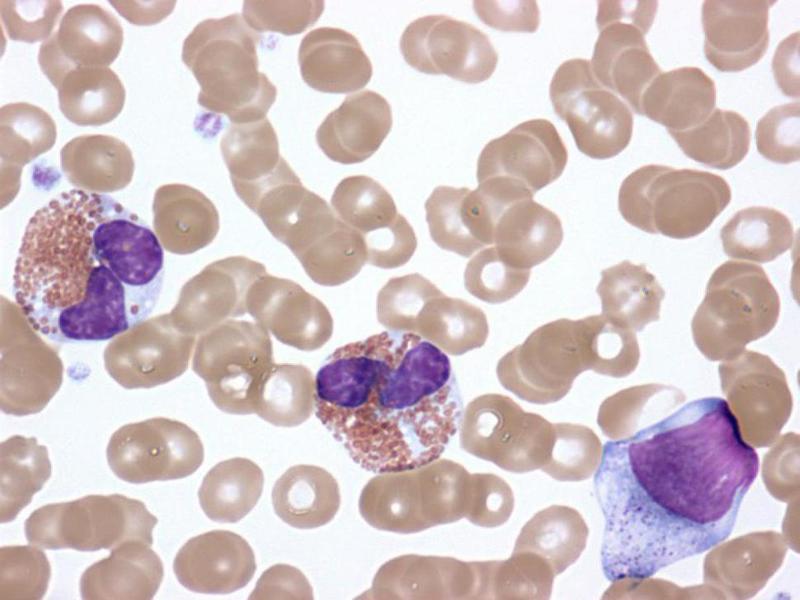
HES is a group of rare disorders that cause eosinophil increases in blood and tissues, which could lead to progressive life-threatening organ damage.
In February this year, the US Food and Drug Administration (FDA) granted orphan drug designation for the use of Fasenra to treat this potentially fatal condition.


