
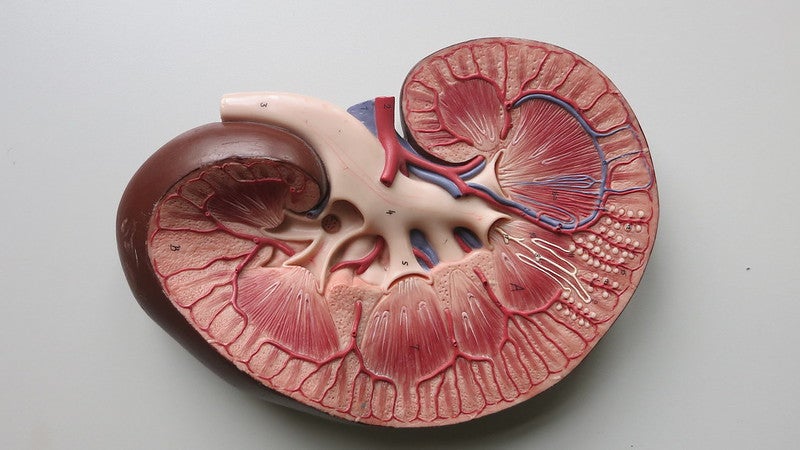
Alnylam Pharmaceuticals has initiated a Phase III clinical trial of its RNAi therapeutic, lumasiran, to treat patients with primary hyperoxaluria type 1 (PH1).
Lumasiran is an investigational, subcutaneous medicine designed to target and silence hydroxyacid oxidase 1 (HAO1), which encodes glycolate oxidase (GO). This mechanism inhibits the generation of oxalate, which is associated with the pathophysiology of PH1.
Go deeper with GlobalData


Discover B2B Marketing That Performs
Combine business intelligence and editorial excellence to reach engaged professionals across 36 leading media platforms.
The ILLUMINATE-C trial will assess the safety and efficacy of the drug in about 16 patients with advanced renal disease. It will enrol dialysis-dependent patients and those who do not need dialysis into separate cohorts.
The study involves a six-month primary analysis period, where participants will be administered with three monthly doses of the drug followed by monthly or quarterly maintenance doses.
The primary endpoint is the percentage decrease in plasma oxalate from baseline to six months.
Key secondary endpoints include other plasma oxalate measures and changes in urinary oxalate, renal function, nephrocalcinosis, dialysis frequency and mode, as well as frequency of renal stone events and systemic oxalosis measures.
US Tariffs are shifting - will you react or anticipate?
Don’t let policy changes catch you off guard. Stay proactive with real-time data and expert analysis.
By GlobalDataResults from the Phase III trial are expected to be available late next year.
Alnylam Pharmaceuticals vice-president and general manager Pritesh Gandhi said: “This study complements our comprehensive clinical development plan for lumasiran, led by our ILLUMINATE-A pivotal study with results expected later this year and our ILLUMINATE-B study in young paediatric patients.”
The company also reported new positive efficacy results from the ongoing Phase II open-label extension (OLE) study of the drug.
As of 12 September, a 76% mean maximal decrease in urinary oxalate excretion was observed in all cohorts compared to Phase I/II baseline values.
All participants experienced a urinary oxalate level at or below 1.5 times the normal upper limit, while 68% achieved a urinary oxalate level that was within the normal range.
Patients also had an 82% mean maximal reduction in urinary oxalate and creatinine ratio after treatment with lumasiran across all cohorts.



