
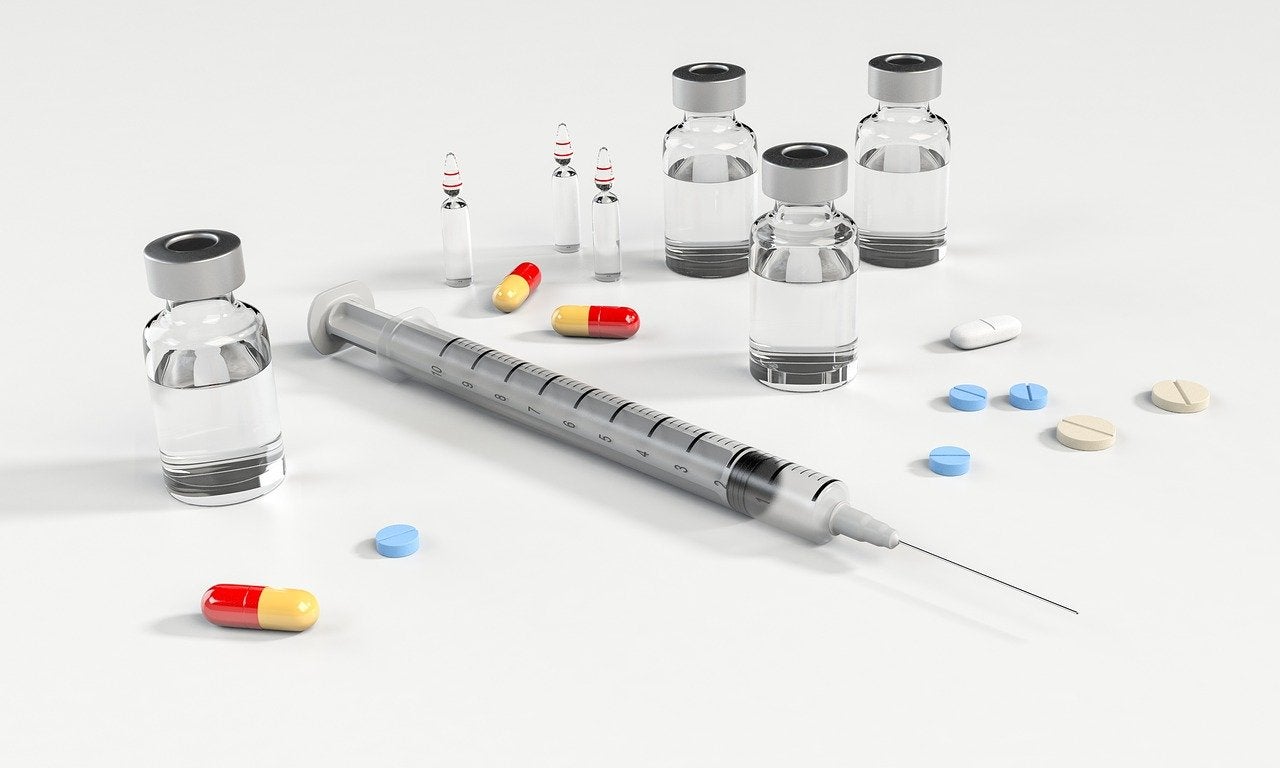
Apollomics has dosed the first patient in a Phase I clinical trial of an investigational drug candidate, APL-106 (uproleselan injection), for treating adults with relapsed or refractory acute myeloid leukaemia (AML) in China.
Discovered and developed by GlycoMimetics, uproleselan is a targeted inhibitor of E-selectin, an adhesion molecule on cells in the bone marrow.
Go deeper with GlobalData


Discover B2B Marketing That Performs
Combine business intelligence and editorial excellence to reach engaged professionals across 36 leading media platforms.
It can potentially inhibit E-selectin from binding with blood cancer cells as a targeted approach to disrupting well-established leukemic cell resistance mechanisms within the bone marrow microenvironment.
Last month, Apollomics opened two Phase I study sites in Greater China.
The Phase I clinical trial in China is part of the Phase I and Phase III bridging clinical study of APL-106 in combination with chemotherapy in relapsed or refractory AML patients.
The pharmacokinetic (PK) characteristics of APL-106 in Chinese participants with relapsed or refractory AML, as well as analysis of the safety and tolerability of APL-106 plus chemotherapy will form the primary objective of this study.
US Tariffs are shifting - will you react or anticipate?
Don’t let policy changes catch you off guard. Stay proactive with real-time data and expert analysis.
By GlobalDataGlycoMimetics CEO Rachel King said: “Dosing of the first patient in Greater China is a significant accomplishment for Apollomics.
“Equally important is the fact that Apollomics support for uproleselan reflects a broad level of interest in our drug candidate’s potential to make a real difference for AML patients.
“We believe that Apollomics’ track record and leadership are particularly qualified to take this programme through clinical development and on to commercialisation.”
In January, uproleselan was granted Breakthrough Therapy Designation by the Center for Drug Evaluation (CDE) of the NMPA in China.
It has also received the US Food and Drug Administration’s (FDA) Breakthrough Therapy Designation for treating adults with relapsed or refractory AML.
Uproleselan was analysed in a Phase I/II clinical trial in newly diagnosed elderly, as well as relapsed or refractory patients with AML.
Data showed that patients in both populations receiving uproleselan plus standard chemotherapy had better-than-expected remission rates, overall survival, and induction-related mortality rates.



