
AstraZeneca has reported positive high-level results from the Phase III HIMALAYA clinical trial of Imfinzi (durvalumab) plus tremelimumab as a first-line therapy for unresectable hepatocellular carcinoma (HCC) patients.
A human monoclonal antibody, Imfinzi attaches to the Programmed death-ligand 1 (PD-L1) protein and hinders its interaction with the PD-1 and CD80 proteins.
Go deeper with GlobalData


Discover B2B Marketing That Performs
Combine business intelligence and editorial excellence to reach engaged professionals across 36 leading media platforms.
Tremelimumab is an anti-cytotoxic T-lymphocyte-associated protein 4 (CTLA4) antibody.
The randomised, multicentre, open-label, international Phase III trial assessed Imfinzi as a single agent and in combination with tremelimumab as against standard-of-care treatment, sorafenib.
The combination treatment comprised one priming dose of 300mg tremelimumab plus 1500mg Imfinzi with a subsequent dose of Imfinzi administered every four weeks. This schedule was also called as Single Tremelimumab Regular Interval Durvalumab (STRIDE) regimen.
It enrolled a total of 1,324 unresectable, advanced HCC subjects who did not receive previous systemic treatment and were ineligible for locoregional therapy in 190 sites in 16 countries.
Overall survival (OS) for STRIDE compared with sorafenib was the trial’s primary goal.
OS for Imfinzi as against sorafenib, progression-free survival (PFS) and the objective response rate for STRIDE and for Imfinzi alone formed the main secondary goals.
Findings showed that tremelimumab plus Imfinzi offered statistically significant and clinically meaningful OS benefit as against sorafenib.
STRIDE regimen had a favourable safety profile, while no severe hepatic toxicity was observed on adding tremelimumab to Imfinzi.
The trial met the primary goal of OS with STRIDE regimen versus sorafenib, while Imfinzi administered as a single agent met the OS goal of non-inferiority as against sorafenib.
Imfinzi monotherapy had a non-inferior OS versus sorafenib. A numerical trend was also seen in favour of Imfinzi, and an enhanced tolerability profile as against sorafenib.
AstraZeneca Oncology R&D executive vice-president Susan Galbraith said: “Inhibition of CTLA-4 has shown the ability to drive benefit particularly in the tail of the survival curve in several settings.
“This is the first time a dual immunotherapy regimen has improved overall survival as a first-line treatment for patients with unresectable liver cancer for whom treatment options are limited and long-term outcomes are poor.”
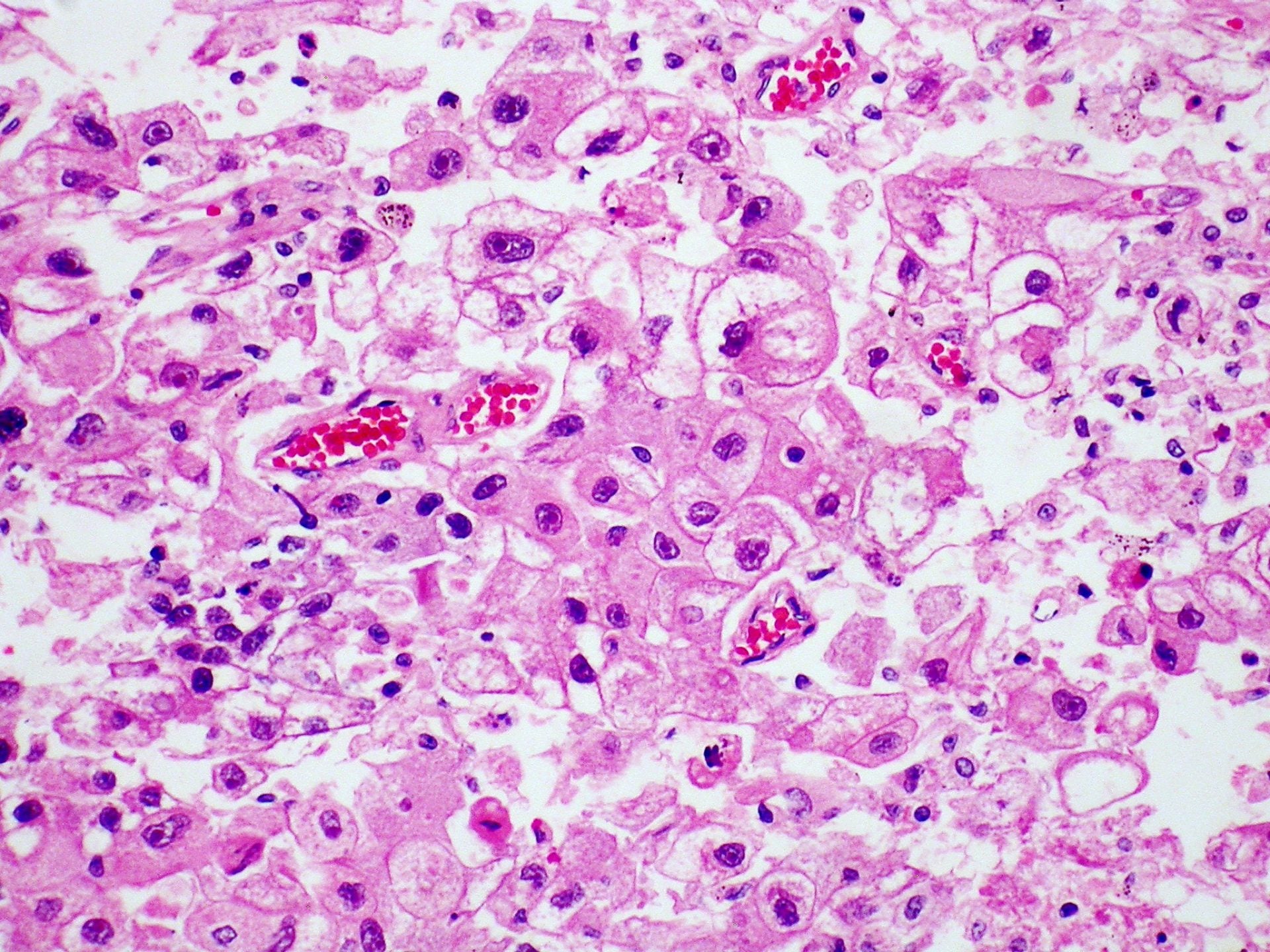
HCC is a common type of liver cancer and is the third major cause of mortality due to cancer.
In February, AstraZeneca reported that the Phase III KESTREL trial of Imfinzi failed to meet the primary goal in the first-line treatment of recurrent or metastatic head and neck squamous cell carcinoma (HNSCC) patients, whose tumours expressed high levels of PD-L1.



