
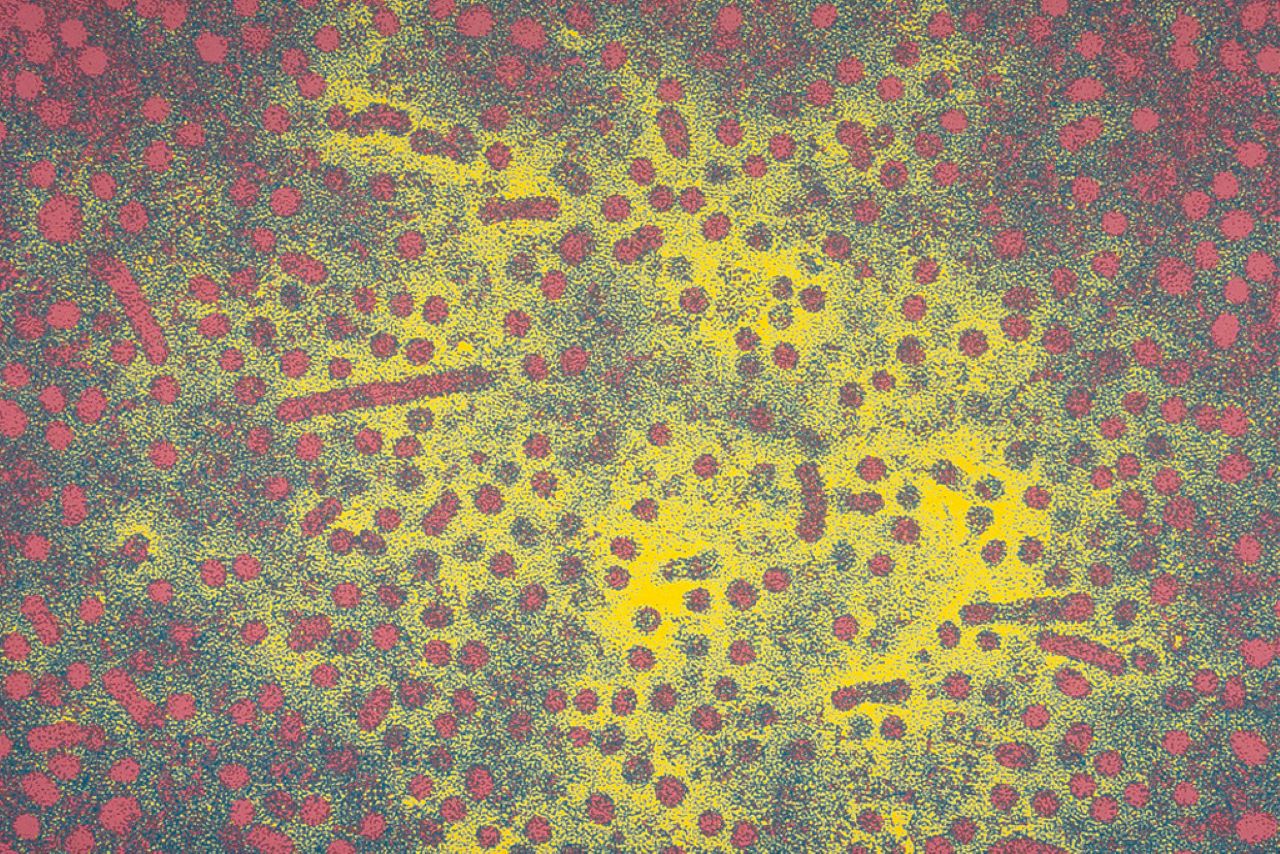
Dicerna Pharmaceuticals and Roche have commenced the Phase II combination trial of investigational GalXC RNAi candidate, RG6346, for treating chronic hepatitis B virus (HBV) infection.
RG6346 is being developed by the companies as part of their global collaboration and licencing agreement for chronic HBV treatments.
Go deeper with GlobalData


Discover B2B Marketing That Performs
Combine business intelligence and editorial excellence to reach engaged professionals across 36 leading media platforms.
Dicerna received a milestone payment worth $25m following the initiation of the trial.
Dicerna executive vice-president and chief medical officer Shreeram Aradhye said: “To date, data have shown that RG6346’s novel GalXC RNAi gene silencing mechanism has resulted in deep and durable reductions in hepatitis B surface antigen up to one year from the last dose, suggesting the potential for strong synergy as part of a combination treatment regimen.
“Roche’s Phase II platform trial is the first of its kind to assess five different combinations including RG6346.”
The randomised, adaptive, open-label platform trial will evaluate the safety, tolerability and efficacy of multiple combinations of novel agents in chronic HBV patients against a common control.

US Tariffs are shifting - will you react or anticipate?
Don’t let policy changes catch you off guard. Stay proactive with real-time data and expert analysis.
By GlobalDataThis design will aid in the faster inclusion of additional treatment arms as required.
At present, a combination of Roche’s novel investigational TLR7 agonist and core protein allosteric modulator (CpAM) inhibitor is part of the study.
This month, RG6346 (also known as RO7445482) RNAi treatment groups have been started in combination with standard of care nucleos(t)ide (NUC) therapy and triple combinations with pegylated interferon alfa-2a, Roche’s CpAM inhibitor or its TLR7 agonist.
The proportion of participants with hepatitis B surface antigen (HBsAg) loss at 24 weeks after the end of the 48-week treatment period will be the study’s primary endpoint.
According to preclinical data in mouse models of HBV infection, RG6346 showed more than a 99.9% reduction in circulating HBsAg.
Furthermore, Phase I trial results showed that four monthly doses of RG6346 provided substantial and durable reductions in HBsAg levels, which lasted for a year after the last dose.



