
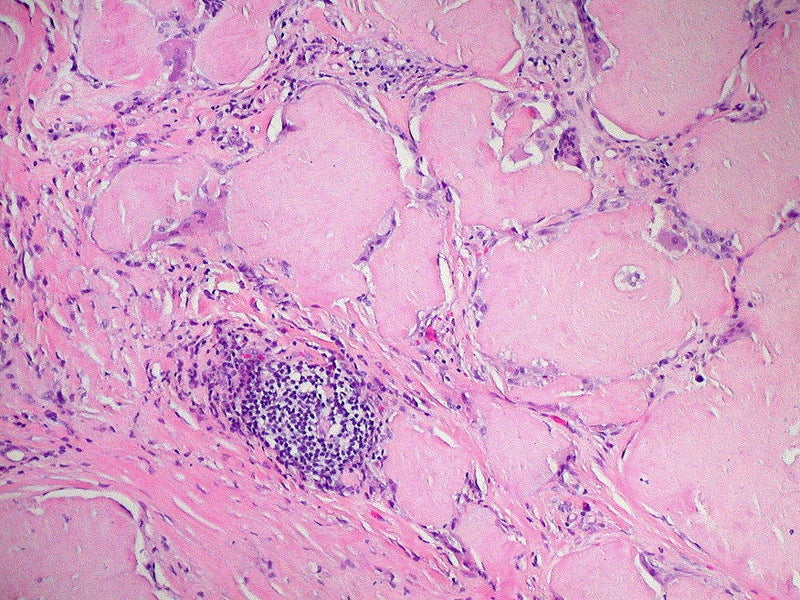
Eidos Therapeutics has commenced a pivotal Phase III clinical trial of its investigational small molecule AG10 for the treatment of transthyretin (TTR) amyloid cardiomyopathy (ATTR-CM).
ATTR is caused by tetrameric transthyretin (TTR) destabilisation due to inherited mutations or aging. AG10 is designed to stabilise TTR and prevent the molecular events leading to amyloidosis (ATTR).
Go deeper with GlobalData


Discover B2B Marketing That Performs
Combine business intelligence and editorial excellence to reach engaged professionals across 36 leading media platforms.
The global Phase III trial is dubbed ATTRibute-CM and will compare 800mg AG10 with placebo in a total of 510 patients suffering from symptomatic ATTR-CM associated with either wild-type or mutant TTR.
ATTRibute-CM will include two potentially registrational primary endpoints.
Part A will measure the benefit of a change from baseline in six-minute walk distance (6MWD) at 12 months, while Part B will evaluate the decrease in all-cause mortality and the frequency of cardiovascular-related hospitalisations at 30 months.
The trial will also involve secondary endpoints such as quality of life assessment, safety parameters, serum TTR levels, and TTR stabilisation.
US Tariffs are shifting - will you react or anticipate?
Don’t let policy changes catch you off guard. Stay proactive with real-time data and expert analysis.
By GlobalDataEidos Therapeutics president and chief medical officer Jonathan Fox said: “ATTRibute-CM aims to generate registrational evidence that AG10 provides meaningful benefit to ATTR-CM patients.
“The trial is designed to evaluate preservation of function and quality of life on an accelerated timeframe in addition to evaluating longer-term benefit on mortality and cardiovascular-related hospitalisations.
Positive data from the trial is expected to support the approval of AG10 in ATTR-CM treatment.
A previous Phase II trial involving symptomatic ATTR-CM patients demonstrated that AG10 was generally well-tolerated and significantly increased serum transthyretin in a dose-dependent manner.
Participants who received AG10 experienced normal serum transthyretin levels within 28 days of treatment.



