
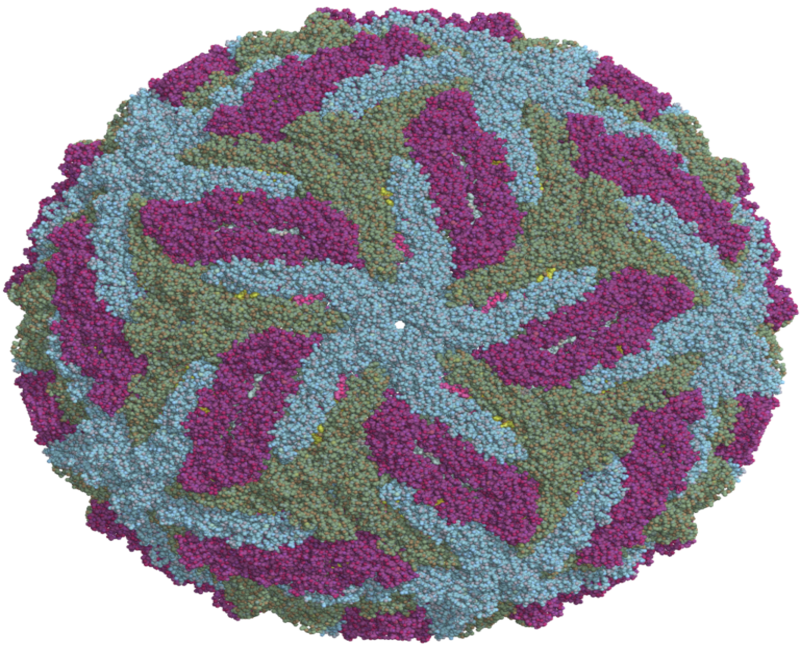
Inovio Pharmaceuticals has started dosing participants in the first-in-human clinical trial of its INO-A002 candidate for the prevention or treatment of Zika virus infection.
INO-A002 is based on the company’s DNA-encoded monoclonal antibody (dMAb) technology.
Go deeper with GlobalData


Discover B2B Marketing That Performs
Combine business intelligence and editorial excellence to reach engaged professionals across 36 leading media platforms.
Genetic codes delivered by synthetic dMAbs are said to stimulate the body’s cells to facilitate the manufacture of therapeutic antibody products in-vivo.
Funded by the Bill & Melinda Gates Foundation, the open-label, single centre, dose escalation clinical trial is being conducted in alliance with The Wistar Institute.
It will recruit around 24 healthy participants who will be administered with up to four INO-A002 doses.
Inovio believes that the trial data could provide information required to advance its other dMAb programmes in infectious diseases and cancer.
Inovio Pharmaceuticals president and CEO Joseph Kim said: “This first-in-human study could provide important information about how DNA-encoded products may be used to make systemically-available complex therapeutic proteins in a consistent, dose-dependent fashion.
“This platform advancement, most importantly, could lead to production of other dMAb products targeting infectious diseases, cancer immunotherapy, inflammation, as well as therapies for cardiovascular disease, all with blockbuster market potential, which we plan to develop with corporate partnerships, external funding, and collaborations.”
The company was able to develop dMAbs targeting the PD-1 immune checkpoint molecule in preclinical studies.
It was observed that a single injection of synthetic dMAb versions of pembrolizumab or nivolumab sequences targeting PD-1 protein could be redeveloped for direct in-vivo expression in mice for up to several months.
The company added that sequence optimisation of the therapeutics’ molecular design led to significantly better expression, compared to the original PD-1 inhibitor native sequences.



