
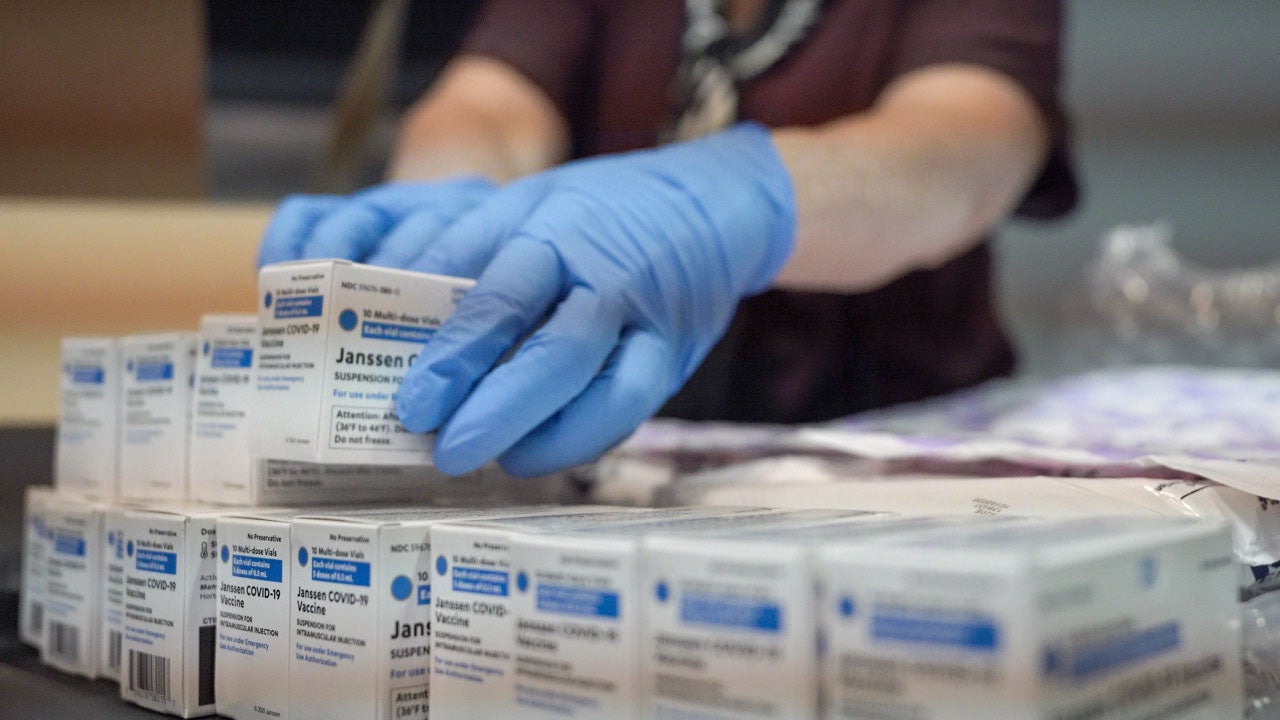
A new clinical study by Beth Israel Deaconess Medical Center (BIDMC) has revealed strong immune responses with Johnson & Johnson’s single-dose Covid-19 vaccine, Ad26.COV2.S.
The viral vector vaccine, which was developed in alliance with BIDMC, already obtained emergency use authorisation in the US based on its clinical efficacy data in symptomatic Covid-19 in the US, South Africa, and Latin America.
Go deeper with GlobalData


Discover B2B Marketing That Performs
Combine business intelligence and editorial excellence to reach engaged professionals across 36 leading media platforms.
In the new study, BIDMC’s Center for Virology and Vaccine Research found antibody and cellular immune responses against the SARS-CoV-2 variants of concern, as well as the original strain.
Data showed immune responses generated by Ad26.COV2.S against all variants of the Covid-19 virus, researchers noted.
Study senior author and BIDMC immunologist Dan Barouch said: “The concern is whether SARS-CoV-2 variants may reduce the efficacy of current vaccines that were designed to protect against the original SARS-CoV-2 strain at the beginning of the pandemic.
“These findings therefore have important implications for vaccine protection against SARS-CoV-2 variants of concern.”
In the study, 20 participants aged 18 to 55 years received one or two doses of J&J’s vaccine to assess its immunogenicity.
These subjects were from a multi-centre, randomised, double-blind, placebo-controlled Phase I/IIa trial analysing different doses and schedules of the vaccine.
The BIDMC researchers subsequently leveraged various approaches to evaluate antibody and cellular immune responses against the original viral strain (WA1/2020).
They also tested for the viral variants first detected in South Africa (B.1.1351), the UK (B.1.1.7), Brazil (P.1), and California, US (CAL.20C).
A decrease in neutralising antibodies against the South African and Brazilian strains was observed compared to antibodies against the original strain.
However, SARS-CoV-2 variants had less or no impact on non-neutralising antibody responses and T cell responses.
As per the vaccine’s protective efficacy found in Phase III trials, non-neutralising antibodies and/or T cell responses may drive protection against Covid-19.
Published Phase III efficacy results revealed the vaccine’s strong protection against symptomatic Covid-19 in South Africa and Brazil where a majority of sequenced cases were due to variants.
According to researchers, the data helps in understanding the vaccine’s protection against SARS-CoV-2 variants of concern.



