
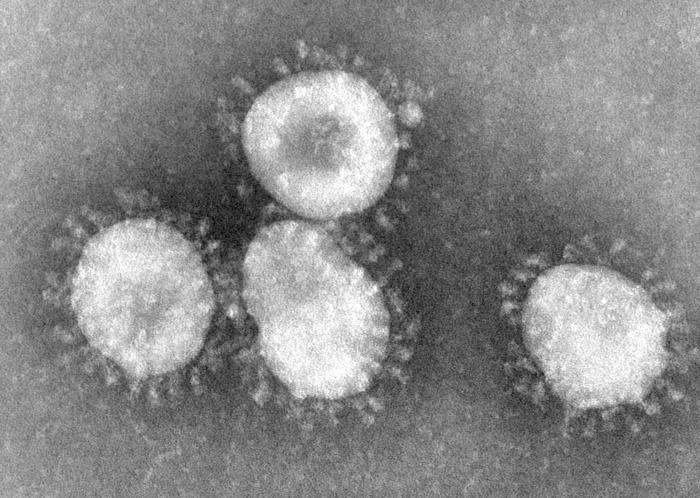
Researchers at Imperial College London have developed a molecule that prevents the common cold virus from hijacking human cells, offering a possible cure to the infection.
The new molecule, codenamed IMP-1088, targets the protein N-myristoyltransferase (NMT) which is hijacked in the instances of infection and used to create a protein ‘shell’, or capsid, which acts as a protective shield for the virus genome.
Go deeper with GlobalData


Discover B2B Marketing That Performs
Combine business intelligence and editorial excellence to reach engaged professionals across 36 leading media platforms.
All forms of the virus need the same human protein to replicate themselves, meaning the molecule is expected to be effective against all of them. As the molecule targets the protein rather than the virus itself, it’s also highly unlikely that resistant viruses will emerge.
Early tests in the lab showed IMP-1088’s ability to block multiple strains of the cold virus in human cells, without affecting the cells themselves. The team has noted the need for further study to discern its potential toxicity in the body, though researchers have also voiced hopes that they will soon move into animal and then human trials.
“This compound has only worked so far in the laboratory studying virus-infected cells,” Imperial National Heart & Lung Institute’s Professor Roberto Solari told Drug Development Technology.
“We need to conduct studies in animals to see how effective the drug is, but also how safe and well-tolerated it is. Eventually we hope that it could be used as a medicine in people, particularly those who have a respiratory condition such as asthma or chronic obstructive pulmonary disease [COPD],” he said.

US Tariffs are shifting - will you react or anticipate?
Don’t let policy changes catch you off guard. Stay proactive with real-time data and expert analysis.
By GlobalData“A drug like this could be extremely beneficial if given early in infection, and we are working on making a version that could be inhaled, so that it gets to the lungs quickly,” lead researcher Ed Tate said.
The molecule also works against viruses linked to the cold virus, such as polio and foot and mouth disease.
“The way the drug works means that we would need to be sure it was being used against the cold virus, and not similar conditions with different causes, to minimise the chance of toxic side effects,” Tate said.
In addition to Tate and Solari, the research team included the labs of Professor Seb Johnston at Imperial’s National Heart & Lung Institute, Dr Aurelie Mousnier from Imperial and Queen’s University Belfast, structural biologists at the University of York, and the Pirbright Institute.
Findings from the study were published in the journal Nature Chemistry.
Developing a cure for the common cold has previously proven difficult due to the vast number of virus variations, in addition to their ability to rapidly modify themselves and thus become resistant to treatment options.
As such, the majority of current medications tackle the symptoms rather than the cause of the cold infection, such as runny nose, sore throat and fever. While previous attempts have been made to create drugs which target human cells rather than the viruses, many were found to have toxic side effects.



