

Data from two separate Phase III clinical trials of lung cancer drugs that target different gene faults in the disease, alectinib (Alecensa) and dacomitinib, indicated promise when compared to existing medication.
Go deeper with GlobalData


Discover B2B Marketing That Performs
Combine business intelligence and editorial excellence to reach engaged professionals across 36 leading media platforms.
Developed by Chugai Pharmaceutical, alectinib is an oral anaplastic lymphoma kinase (ALK) activity blocker, while dacomitinib is Pfizer’s experimental candidate that acts a selective and irreversible inhibitor of epidermal growth factor receptor (EGFR).
The results from alectinib’s trial showed that the drug targeted a faulty version of the ALK gene and stopped non-small-cell lung cancer (NSCLC) growth for a further 15 months compared to treatment with standard drug crizotinib (Xalkori).
The drug was evaluated in the Phase III ALEX trial with 303 advanced NSCLC patients, whose tumour cells had a version of the ALK gene fused with another gene and who did not receive any prior treatment.
ALEX trial’s lead investigator and Massachusetts General Hospital Cancer Centre thoracic oncology director Dr Alice Shaw said: “This is the first global study to compare alectinib with crizotinib in ALK-positive lung cancer and establishes alectinib as the new standard of care for initial treatment in this setting.
US Tariffs are shifting - will you react or anticipate?
Don’t let policy changes catch you off guard. Stay proactive with real-time data and expert analysis.
By GlobalData“Nobody imagined it would be possible to delay advanced lung cancer progression by this much.”
Dacomitinib data showed delay in the growth of tumours carrying a faulty EGFR gene for longer, when compared to the drug gefitinib (Iressa) in Phase III ARCHER trial with 452 newly diagnosed advanced NSCLC patients.
In the case of alectinib, the disease progression or death risk decreased by 53%, while reducing 41% with dacomitinib.
Dacomitinib was, however, reported to cause severe side effects and is said to be unsuitable for certain patients.
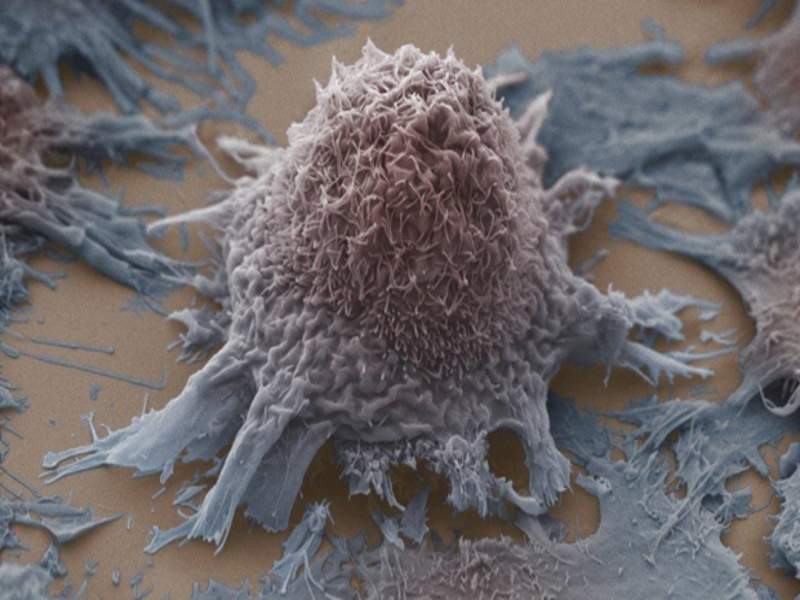
Image: Lung cancer cell. Photo: courtesy of Cancer Research UK.



