
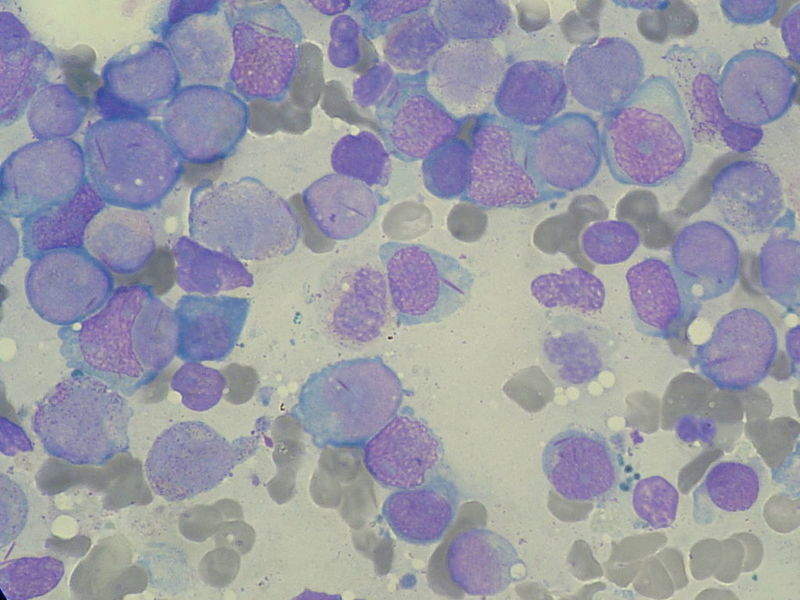

Astellas Pharma has started dosing patients with gilteritinib in a Phase III MORPHO clinical trial for the treatment of acute myeloid leukaemia (AML).
Go deeper with GlobalData


Discover B2B Marketing That Performs
Combine business intelligence and editorial excellence to reach engaged professionals across 36 leading media platforms.
Discovered in collaboration with Kotobuki Pharmaceutical, gilteritinib is a receptor tyrosine kinase inhibitor of FLT3 and AXL that are known to be involved in the growth of cancer cells.
The randomised, double-blind, placebo-controlled, multi-centre Phase III trial is designed to evaluate gilteritinib as a maintenance therapy over two years after hematopoietic stem cell transplants (HCT).
MORPHO will include subjects who are FLT3 internal tandem duplication (ITD) mutation-positive (FLT3/ITD+) and in remission following induction therapy.
Astellas Pharma oncology development senior vice-president and global therapeutic area head Steven Benner said: "The initiation of the MORPHO trial is another significant milestone for Astellas and for patients as therapeutic options can be very limited for this FLT3+ AML population.

US Tariffs are shifting - will you react or anticipate?
Don’t let policy changes catch you off guard. Stay proactive with real-time data and expert analysis.
By GlobalData“We are committed to patients with FLT3+ AML and currently have underway four Phase III trials to explore the potential benefit of gilteritinib for patients suffering from such an aggressive form of blood cancer characterised by both genetic and resistance mutations.”
The MORPHO trial is currently being conducted in partnership with the Blood and Marrow Transplant Clinical Trials Network (BMT CTN) and its primary endpoint is relapse-free survival (RFS).
Gilteritinib is reported to have demonstrated inhibitory activity against common FLT3 mutation types, FLT3 and FLT3 tyrosine kinase domain (TKD).
Additionally, the drug candidate is also said to inhibit AXL that is reportedly associated with therapeutic resistance.
Image: Myeloblasts with Auer rods seen in acute myeloid leukaemia. Photo: courtesy of Paulo Henrique Orlandi Mourao.



