

MatriSys Bioscience has started dosing patients with a lotion containing Staphylococcus hominis (S. hominis) in a Phase IIa clinical trial to treat adults with moderate-to-severe atopic dermatitis (AD).
Go deeper with GlobalData


Discover B2B Marketing That Performs
Combine business intelligence and editorial excellence to reach engaged professionals across 36 leading media platforms.
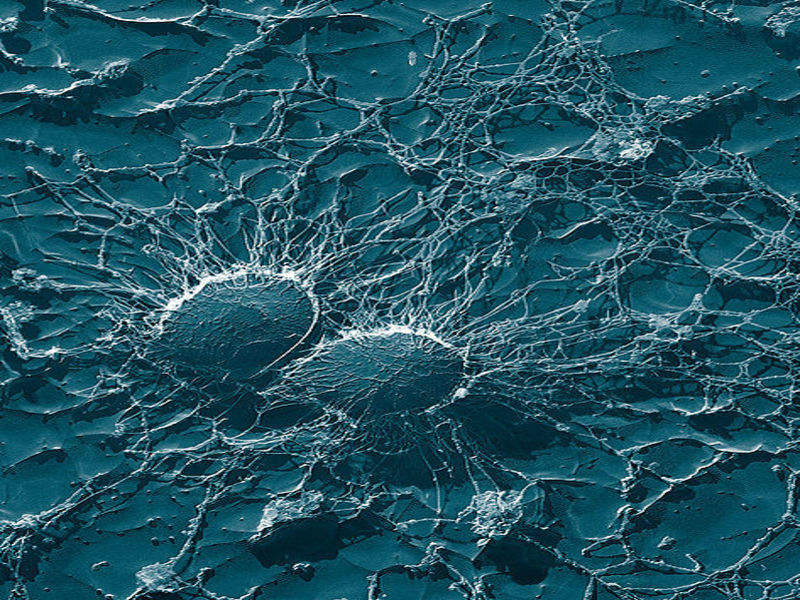
Comprising live therapeutic S. hominis A9 strain, the commensal topical formulation is being developed to decrease or eliminate Staphylococcus aureus bacteria that are known to colonise the skin of AD patients.
Designed to enrol 50 patients, the double-blind, randomised, and placebo-controlled Phase IIa trial will assess the safety, tolerability and effectiveness of the lotion applied twice a day for seven days to AD lesions.
MatriSys Bioscience CEO Mark Wilson said: “This approach is a dramatic improvement over broad-spectrum antibiotics that destroy pathogenic bacteria but also kill the beneficial ones and allow harmful pathogens like S. aureus to colonise the skin more effectively, which often results in debilitating infections and additional antibiotic treatments.”
As S. hominis A9 produces potent anti-S. aureus antimicrobial peptides, it is expected to have the potential to specifically destroy S. aureus and not affect the remaining beneficial microflora.

US Tariffs are shifting - will you react or anticipate?
Don’t let policy changes catch you off guard. Stay proactive with real-time data and expert analysis.
By GlobalDataThe trial is currently being conducted at National Jewish Health General Clinical Research Centre in Denver, Colorado, and the University of California in San Diego, and will measure the count of serious and non-serious treatment emergent adverse events as the primary endpoint.
The trial’s secondary outcomes include occurrence of minimum one serious or non-serious treatment emergent adverse event, eczema area and severity index (EASI) score, scoring atopic dermatitis (SCORAD) score, and pruritus visual analog scale (VAS) score.
Patients in the trial will be followed through to day 38 to evaluate both safety and disease status.
The firm is developing a topical formulation called MSB-01 with freeze-dried S. hominis A9 bacteria in an anhydrous oil for application to AD lesions.
Image: Bacterial cells of Staphylococcus aureus. Photo: courtesy of Eric Erbe and Christopher Pooley.



