

The University of California (UC) San Diego School of Medicine, US, has reported positive data from a small, randomised Phase I/II clinical trial (SAT1) of the 100-year-old drug ‘suramin’ to treat boys with autism spectrum disorder (ASD).
Go deeper with GlobalData


Discover B2B Marketing That Performs
Combine business intelligence and editorial excellence to reach engaged professionals across 36 leading media platforms.
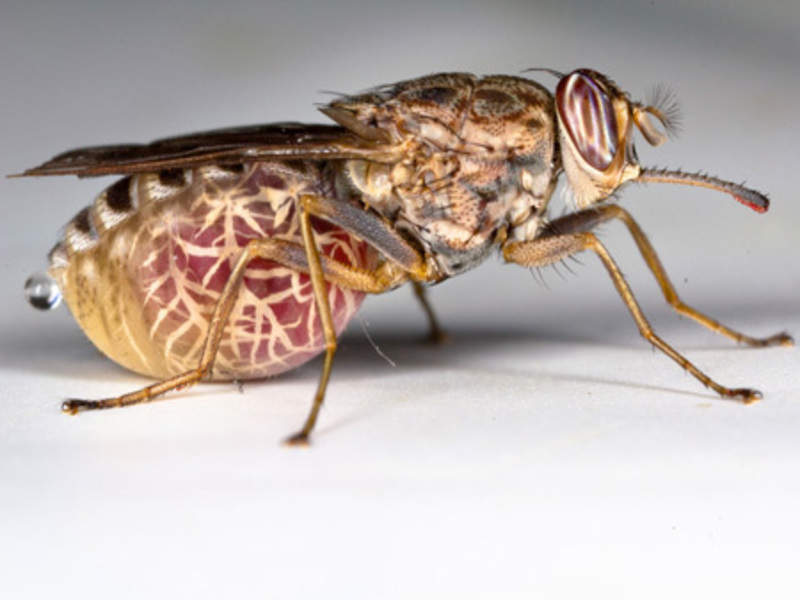
Originally developed in 1916 for African sleeping sickness (trypanomiasis) and river blindness, suramin inhibits adenosine triphosphate’s (ATP) signalling function.
The results showed measurable, temporary improvement in core symptoms of the disease such as language, social behaviour, restricted or repetitive behaviour and coping skills.
The double-blind, placebo-controlled safety trial evaluated a single, intravenous dose of suramin in ten children aged five to 14 years over six weeks.
The main purpose of the trial was to test the researchers’ underlying theory that cell danger response is a unifying cause for autism. UC San Diego Mitochondrial and Metabolic Disease Centre co-director Naviaux said: “We had four non-verbal children in the study, two six-year-olds and two 14-year-olds.
“The six-year-old and the 14-year-old who received suramin said the first sentences of their lives about one week after the single suramin infusion. This did not happen in any of the children given the placebo.”
The observation that improvements in the children were temporary and faded after several weeks shows the necessity for larger and longer trials with multiple doses of the drug over longer periods.
Naviaux further added: “Even if suramin itself is not the best antipurinergic drug for autism, our studies have helped blaze the trail for the development of new antipurinergic drugs that might be even better.
“Before our work, no one knew that purinergic signalling abnormalities were a part of autism. Now we do, and new drugs can be developed rationally and systematically.”
According to the researchers, no adverse effects were found during SAT1 trial and the drug must be assessed in other larger trials to determine its long-term effects, effective dosage and frequency for various types of patients.
Image: African sleeping sickness is caused by tsetse flies infected by Trypanosoma parasites. Photo: courtesy of UC San Diego Health.



