
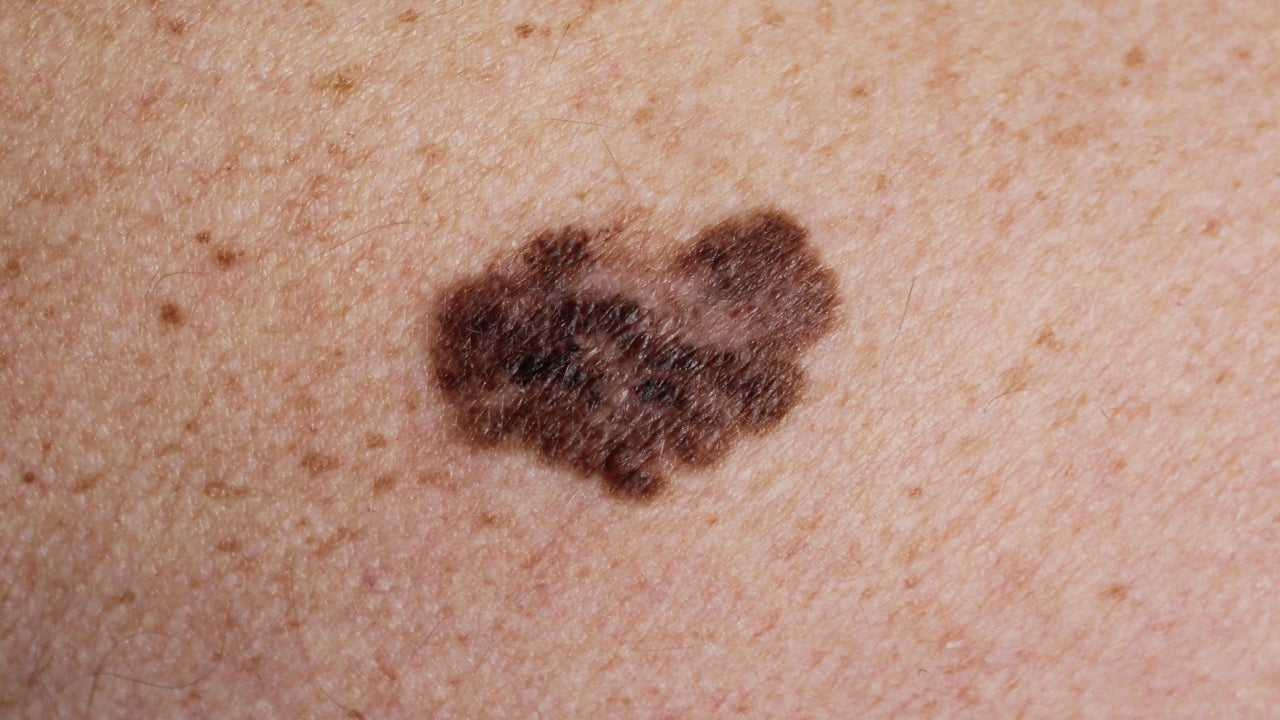
Orlucent has reported positive results from a study evaluating its handheld point-of-care molecular skin fluorescence imaging (mSFI) system for detecting a type of skin cancer.
Data from the first-in-human studywas published in Pigment Cell and Melanoma Research and demonstrated that the device separated melanoma from non-melanoma moles with a sensitivity of 100%.
Go deeper with GlobalData


Discover B2B Marketing That Performs
Combine business intelligence and editorial excellence to reach engaged professionals across 36 leading media platforms.
The pilot study examined 78 moles of which 8 were confirmed by biopsy and histopathology and melanoma.
The device’s specificity, the ability of a test to correctly identify the absence of a disease, was 95.7%, tagging 67 of the 70 benign moles as non-melanoma.
Melanoma is the third most common type of skin cancer, according to the US Centers for Disease Control and Prevention. More than 1 million people in the US are estimated to have melanoma.
Orlucent says that melanomas are currently diagnosed by the mole’s visual characteristics. Many dermatologists decide to surgically remove moles when there is doubt which can lead to unnecessary scarring.

US Tariffs are shifting - will you react or anticipate?
Don’t let policy changes catch you off guard. Stay proactive with real-time data and expert analysis.
By GlobalDataAccording to Orlucent, its technology could reduce unnecessary biopsies. The device works by measuring a fluorescent molecular peptide that illuminates αvβ3 integrin – a biomarker protein associated with early invasive melanoma development. The system non-invasively images the biomarker via mSFI, revealing early intra-cellular activity. Specifically, the system assesses the presence of biological tissue remodelling activity.
Orlucent’s system received US Food and Drug Administration (FDA) breakthrough device designation in May 2023. The designation allows the company to have regular discussions with the FDA during the premarket review phase and permits a prioritised submission review. Orlucent said it is currently preparing an FDA submission. There are currently no marketed devices of this kind for melanoma detection.
Study author Catherine Shachaf said: “Incorporating in vivo molecular imaging into clinical management opens new doors to objectively identifying suspicious moles with the potential of becoming melanoma or melanomas with the potential to be aggressive at the earliest stage.”
Other medtech companies are utilising different technologies for melanoma detection. DermaSensor has developed an artificial intelligence (AI)-powered elastic scattering spectroscopy (ESS) device, whereas SciBase’s Nevisense system uses electrical impedance spectrometry.



