
Protagonist Therapeutics has dosed the first patient in a Phase II trial of PTG-300 for the treatment of patients with beta thalassemia.
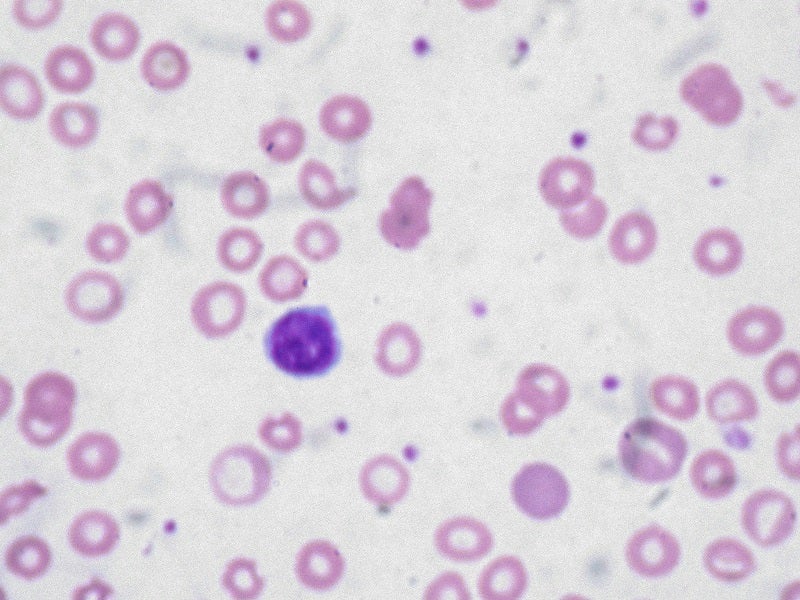
Beta thalassemia is a rare disease caused by chronic anemia and iron overload.
Go deeper with GlobalData


Discover B2B Marketing That Performs
Combine business intelligence and editorial excellence to reach engaged professionals across 36 leading media platforms.
The trial aims to study the safety and preliminary efficacy of PTG-300 in around 84 adolescent and adult patients.
It features a global, single-arm, open label, multiple-ascending dose setting.
The studuy will include patients with transfusion-dependent or non-transfusion-dependent beta thalassemia.
Non-transfusion-dependent patients will be treated with PTG-300 in ascending dose over a period of 12 weeks, while the transfusion-dependent patients will receive PTG-300 in an escalating dose for 16 weeks.
Primary efficacy objective for the non-transfusion-dependent patients and the transfusion-dependent patients include the change in hemoglobin from baseline and change in transfusion burden from baseline, respectively.
Protagonist Therapeutics president and CEO Dinesh Patel said: “In addition to beta thalassemia, PTG-300 has broad potential in the treatment of other disorders, including hereditary hemochromatosis and the myeloproliferative neoplasms polycythemia vera and myelodysplastic syndrome.
“The Phase II trial incorporates an open-label trial design and we expect to report initial results in the second half of 2019.
“We are actively evaluating additional disease indications for development of PTG-300 and plan to commence on a second indication in the second half of 2019.”
In a closed Phase I trial, PTG-300 was found to be well tolerated as well as showed a dose-related and sustained reduction in serum iron levels among healthy participants.



