
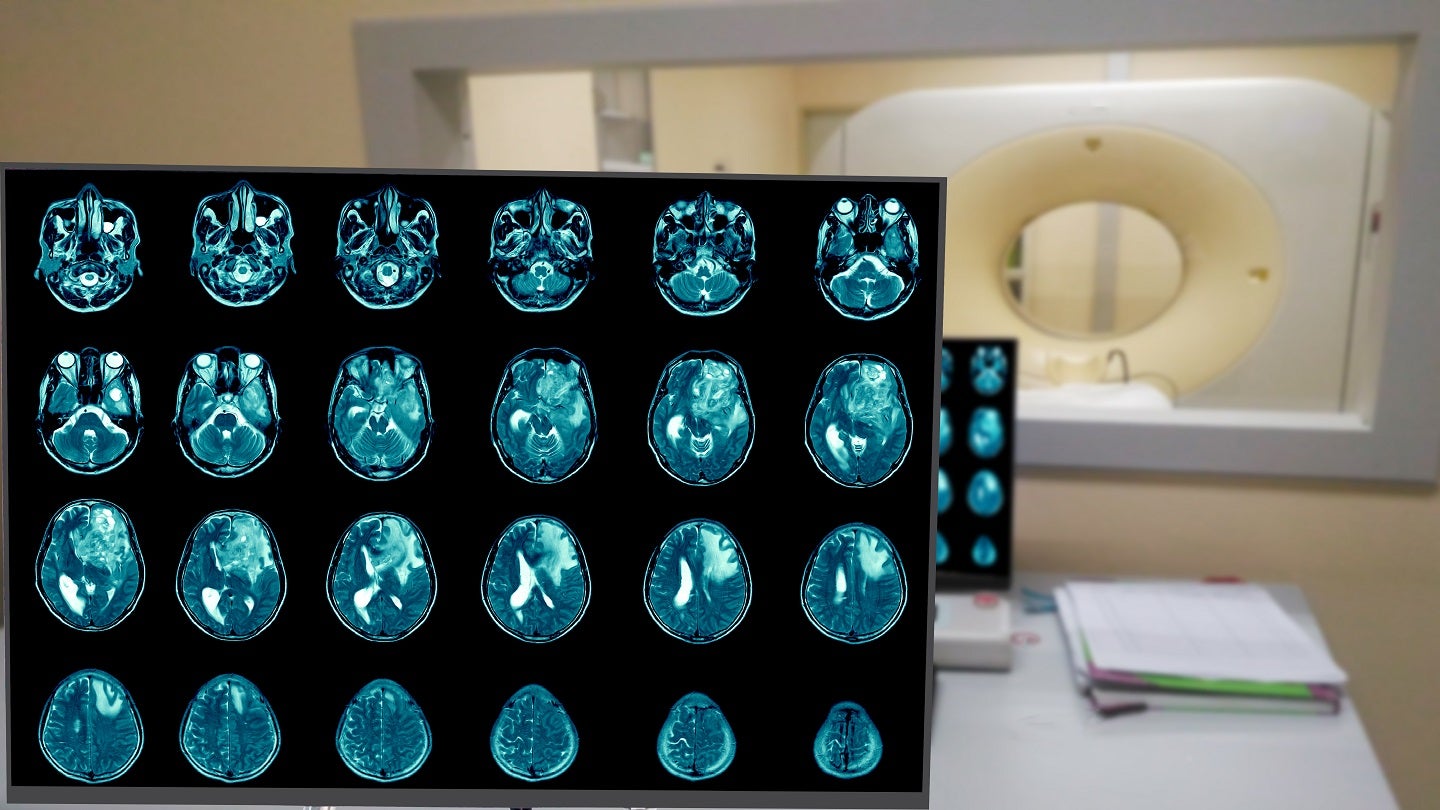
Australian biopharmaceutical company Telix has dosed the first newly diagnosed glioblastoma patient in the Phase I IPAX-2 study of TLX101 (4-L-[131I] iodo-phenylalanine, or 131I-IPA).
TLX101 is being trialled in the dose-escalation study in combination with post-surgical standard-of-care treatment.
Go deeper with GlobalData


Discover B2B Marketing That Performs
Combine business intelligence and editorial excellence to reach engaged professionals across 36 leading media platforms.
The trial aims to confirm TLX101’s safety profile together with external beam radiation therapy (EBRT) and temozolomide in front-line glioblastoma.
It will recruit 12 patients across six sites across Europe, New Zealand and Australia.
TLX101 previously demonstrated safety and tolerability in Telix’s IPAX-1 study, in which the drug was administered intravenously in parallel with second-line EBRT.
An overall survival of 13 months from the start of treatment in the recurring setting, or 23 months from initial diagnosis, was also observed.

US Tariffs are shifting - will you react or anticipate?
Don’t let policy changes catch you off guard. Stay proactive with real-time data and expert analysis.
By GlobalDataTelix chief medical officer Dr Colin Hayward said: “Commencing this study supports Telix’s goal to expedite new radiopharmaceutical therapies in areas of unmet need.
“With IPAX-2, we are taking the development of TLX101 into front-line glioblastoma for the first time, and excited to see the potential impact of targeted radiation in patients after initial surgery.”
If TLX101’s interaction profile and safety remain suitable in this setting, Telix will begin a proof-of-concept Phase II study.
The drug targets a L-type amino acid transporter 1 (LAT-1) membrane protein that is highly expressed in glioblastoma patients.
To identify such patients, Telix’s TLX101-CDx (18F-FET) positron emission tomography (PET) agent is used for imaging.
In addition, the agent provides baseline and follow-up information on tumour response and progression.
TLX101 has previously received orphan drug designation in Europe and the US for glioblastoma.
Telix is also investigating the drug in the recurrent setting in IPAX-Linz, an investigator-initiated Phase II trial.
Last month, the company dosed the first patient in its Phase Ib trial of TLX250 in combination with Merck’s DNA-dependent protein kinase (DNA-PK) inhibitor, peposertib (M3814).



