Nektar accuses Lilly of publishing wrong results of REZPEG trials
Nektar Therapeutics is suing Lilly for publishing erroneous data from the REZPEG trials in atopic dermatitis and psoriasis.

08 August 2023
08 August 2023
Nektar Therapeutics is suing Lilly for publishing erroneous data from the REZPEG trials in atopic dermatitis and psoriasis.

TLX101 targets a L-type amino acid transporter 1 membrane protein that is highly expressed in glioblastoma patients.

Initial safety and PK data from the trial are anticipated in the middle of next year.

Ahead of Eli Lilly's Q2 results, which will likely touch on the company's plans for obesity drugs, we take a look at the ongoing discourse on this drug class.

Following the approval, Biogen plans for the commercial launch Zurzuvae (zuranolone) in Q4 2023.

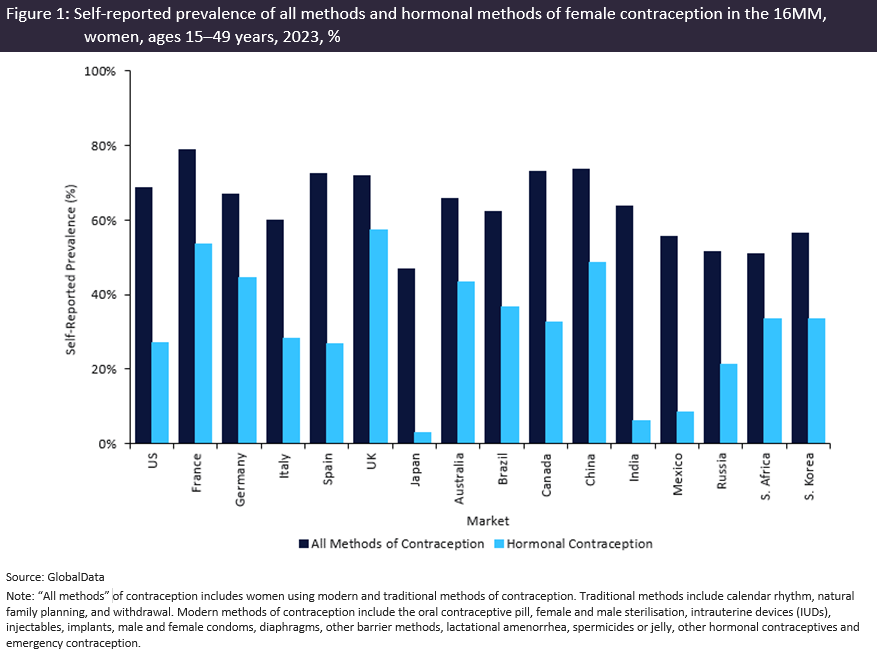
Understanding the factors that drive the choice of contraception is essential for promoting reproductive health.
Following the publication of Phase II trial results and marketing approval in China for the bispecific antibody, Akeso has started five pivotal Phase III trials.


We will be launching our new event Clinical Trials In Rare Diseases Conference 2023 at Princeton Marriott at Forrestal, New Jersey, USA on 13th-14th September! Bringing together clinical operations professionals from across multiple therapeutic areas to discuss common obstacles and solutions and much more. With over 40 solution providers this will be a perfect platform to reconnect with current business partners, meet new vendors and discover which new technologies are being employed to improve your Rare Disease clinical trials.

The COVID-19 pandemic pushed the healthcare industry to rapid digitalization. Increased use of telehealth, telepresence systems, remote diagnostics, predictive AI, and wearable technology is changing how healthcare is delivered and improving patient outcomes. Emerging technologies such as AR and VR are becoming increasingly routine for professional training, surgical assistance, and treatment of psychological and neurological disorders. In the pharma and medical devices industries, AR, VR, and AI are rapidly accelerating drug discovery and manufacturing and generating supply chain efficiencies. New digital opportunities will look to build upon disruptive technologies. However, affordability is a limiting factor to widespread adoption. Per GlobalData estimates, the metaverse market is expected to grow at a CAGR of more than 33% between 2023 and 2030. Although metaverse technologies could reinvent healthcare approaches and bring new experiences to healthcare providers and patients, adoption is still at an early stage. There are currently few use cases in the healthcare industry. The metaverse needs to overcome major challenges for healthcare, including regulation and data privacy concerns. Evidence of proven use cases and participation by a critical mass of users are imperative to drive a shift in metaverse investment.

Give your business an edge with our leading industry insights.