FDA clears Puma’s IND for small cell lung cancer therapy trial
Objective response rate is the trial’s primary endpoint while duration of response and overall survival are the secondary endpoints.

09 August 2023
09 August 2023
Objective response rate is the trial’s primary endpoint while duration of response and overall survival are the secondary endpoints.

IGC will aim for FDA fast-track designation after a Phase II trial investigating IGC-AD1 with AD patients concludes in Q1 2024.

Wegovy has been approved in the US and Europe for weight loss management in patients aged 12 years and older.

However, the adenosine receptor antagonist is still being developed for the treatment of metastatic colorectal cancer.

Following the Phase III trials for remibrutinib meeting their primary endpoints, Novartis plans for regulatory submissions in 2024.

Viracta has announced that EBV+ patients achieved a 19% complete response and a 40% overall response to Nana-val in a Phase Ib/II trial.

All RSV-naive participants responded to two doses of the 10⁷ PFU vaccine.

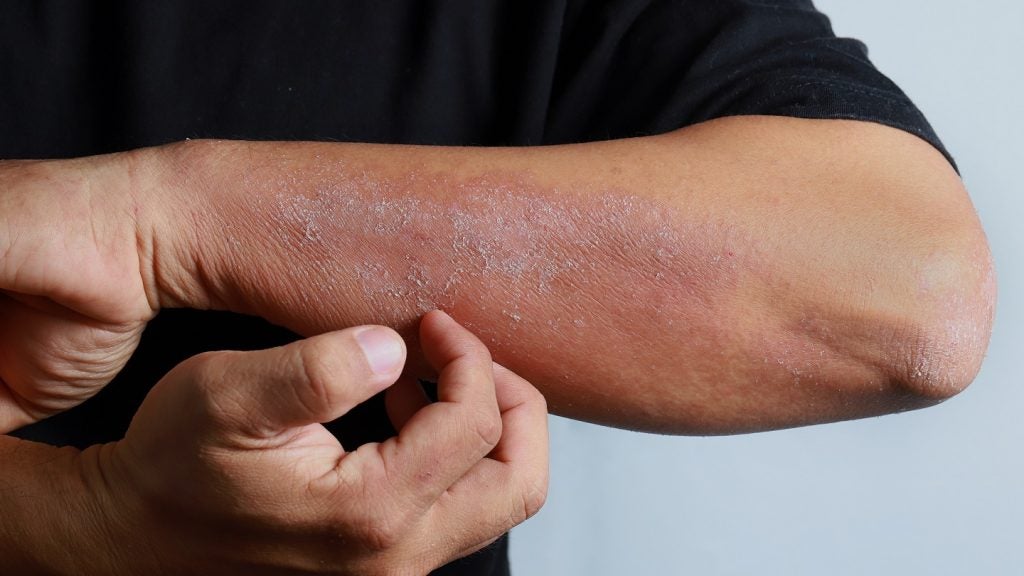
A rapid onset of improvement in pruritus was observed in both groups.

We will be launching our new event Clinical Trials In Rare Diseases Conference 2023 at Princeton Marriott at Forrestal, New Jersey, USA on 13th-14th September! Bringing together clinical operations professionals from across multiple therapeutic areas to discuss common obstacles and solutions and much more. With over 40 solution providers this will be a perfect platform to reconnect with current business partners, meet new vendors and discover which new technologies are being employed to improve your Rare Disease clinical trials.

The COVID-19 pandemic pushed the healthcare industry to rapid digitalization. Increased use of telehealth, telepresence systems, remote diagnostics, predictive AI, and wearable technology is changing how healthcare is delivered and improving patient outcomes. Emerging technologies such as AR and VR are becoming increasingly routine for professional training, surgical assistance, and treatment of psychological and neurological disorders. In the pharma and medical devices industries, AR, VR, and AI are rapidly accelerating drug discovery and manufacturing and generating supply chain efficiencies. New digital opportunities will look to build upon disruptive technologies. However, affordability is a limiting factor to widespread adoption. Per GlobalData estimates, the metaverse market is expected to grow at a CAGR of more than 33% between 2023 and 2030. Although metaverse technologies could reinvent healthcare approaches and bring new experiences to healthcare providers and patients, adoption is still at an early stage. There are currently few use cases in the healthcare industry. The metaverse needs to overcome major challenges for healthcare, including regulation and data privacy concerns. Evidence of proven use cases and participation by a critical mass of users are imperative to drive a shift in metaverse investment.

Give your business an edge with our leading industry insights.