Palisade Bio terminates its post-surgical abdominal adhesions treatment trial
Palisade Bio’s lead clinical candidate, tranexamic acid, did not meet its primary endpoint of adhesion reduction post-bowel resection surgery.

10 August 2023
10 August 2023
Palisade Bio’s lead clinical candidate, tranexamic acid, did not meet its primary endpoint of adhesion reduction post-bowel resection surgery.

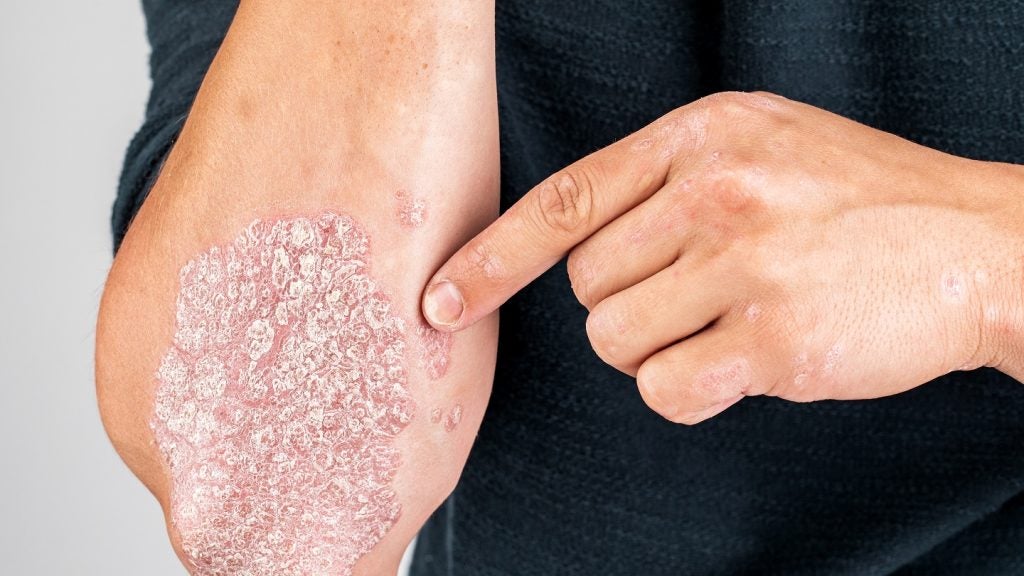
Compared to the placebo group, a significant greater proportion of PASI-75 was achieved in ME3183 treatment groups.
The Phase I/IIa trial has been initiated in the UK and will evaluate the toxicity, tolerability and pharmacokinetics of HTL0039732.

The study will evaluate the effect of JNT-517 on plasma and urinary phenylalanine.

Assessment of the change from baseline in absolute forced vital capacity mL at week 52 is the primary endpoint of the study.

The implant, dubbed as the world's only biomimetic, single piece transcatheter aortic valve, could join a market predicted to be worth $19bn by 2033.

Based on the weight, each patient will receive a twice-daily dosage of up to 70mg leniolisib for 12 weeks.

Sensorion has received a private placement financing of $38.37m by its existing shareholders Invus and Sonnova Partners, and Redmile Group.


We will be launching our new event Clinical Trials In Rare Diseases Conference 2023 at Princeton Marriott at Forrestal, New Jersey, USA on 13th-14th September! Bringing together clinical operations professionals from across multiple therapeutic areas to discuss common obstacles and solutions and much more. With over 40 solution providers this will be a perfect platform to reconnect with current business partners, meet new vendors and discover which new technologies are being employed to improve your Rare Disease clinical trials.

The COVID-19 pandemic pushed the healthcare industry to rapid digitalization. Increased use of telehealth, telepresence systems, remote diagnostics, predictive AI, and wearable technology is changing how healthcare is delivered and improving patient outcomes. Emerging technologies such as AR and VR are becoming increasingly routine for professional training, surgical assistance, and treatment of psychological and neurological disorders. In the pharma and medical devices industries, AR, VR, and AI are rapidly accelerating drug discovery and manufacturing and generating supply chain efficiencies. New digital opportunities will look to build upon disruptive technologies. However, affordability is a limiting factor to widespread adoption. Per GlobalData estimates, the metaverse market is expected to grow at a CAGR of more than 33% between 2023 and 2030. Although metaverse technologies could reinvent healthcare approaches and bring new experiences to healthcare providers and patients, adoption is still at an early stage. There are currently few use cases in the healthcare industry. The metaverse needs to overcome major challenges for healthcare, including regulation and data privacy concerns. Evidence of proven use cases and participation by a critical mass of users are imperative to drive a shift in metaverse investment.

Give your business an edge with our leading industry insights.