
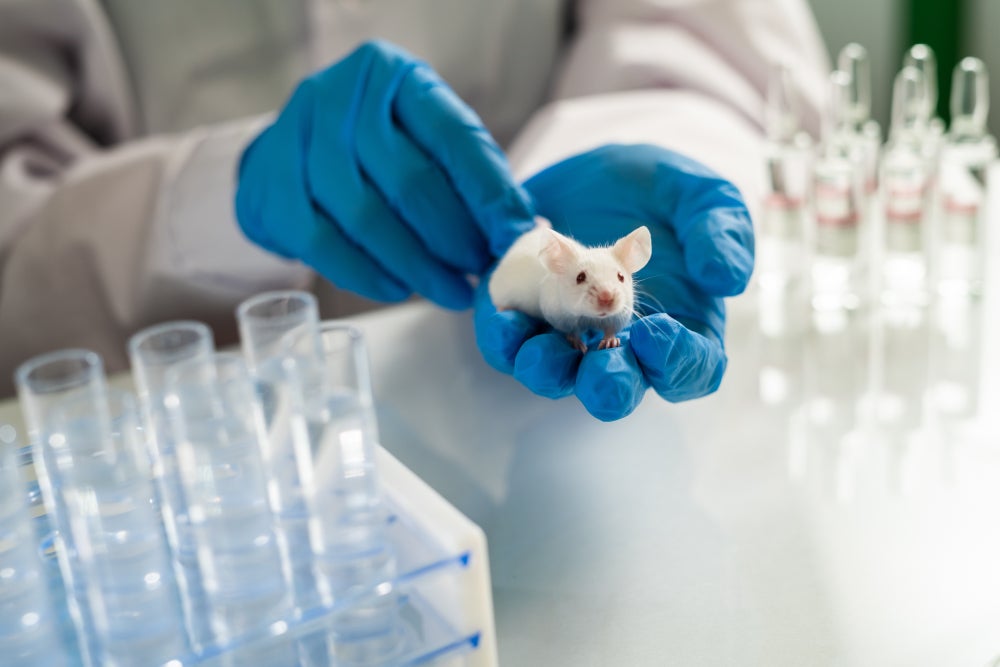
The US Food and Drug Administration (FDA) has advanced its plan to phase out animal testing by debuting draft guidance on new approach methodology (NAM) validation.
This framework provides a macro-level outlook on how sponsors can best work with regulators to validate their NAM strategy – providing “clear expectations” that will encourage confidence in modern, human-relevant models, said US Health Secretary Robert F Kennedy Jr. This includes a wide range of approaches, spanning from laboratory-based in vitro methods to organoids, organs-on-chips and computational models.
When seeking NAM validation, the FDA recommends that sponsors clearly define what the assay’s regulatory purpose is, as well as how it is relevant to human biology. The NAM should be well-suited to guide regulatory decision-making, and sponsors must be able to demonstrate how it can accurately assess a therapy’s toxicity.
Those submitting a NAM validation application should also consider the technical characterisation of their approach, ensuring that the submission focuses on how the assay can produce reliable and reproducible results.
Though the guidance provides a broad, macro-level outlook on NAM validation, the FDA recommends that drug developers consult with the agency’s appropriate review decision when implementing these methods, particularly when discussing their use in a specific indication, organ or disease.
The NAM validation guidance falls in line with its recent moves to diverge from the default use of animal models, which has seen the agency encourage the use of “more effective, human-relevant” alternatives such as AI and lab-based systems. In December 2025, the FDA debuted draft guidance on the use of non-human primates in preclinical testing, which aims to phase out the use of primates when evaluating monoclonal antibody (mAb)-based drugs.
Animal testing phase-out goes global
According to FDA commissioner Marty Makary, the use of NAMs could benefit the wider drug development landscape, as animal testing has a “poor track record of predicting safety and efficacy in humans”.
It appears that other regulators agree with this sentiment, as several are now cracking down on the widespread use of animal testing through their own guidance documents, encouraging the use of NAMs.
This includes the European Medicines Agency (EMA), which currently recommends that companies replace animal-based models with NAMs where possible.
The UK Government is also looking to promote the animal-to-NAM switch, with ministers placing a key focus on technologies such as organ-on-a-chip and 3D-bioprinted tissues. In November 2025, the government invested £60m ($80.3m) into this cause to position the UK as a global leader in the regulation of alternative testing methods.
In a previous interview with Clinical Trials Arena, Charles River Laboratories corporate vice-president and chief scientific officer for safety assessment Steve Bulera noted that NAMs such as organoids, organ-on-a-chip models and in vitro technologies will eventually dominate the toxicology testing landscape – though this change won’t happen overnight.