
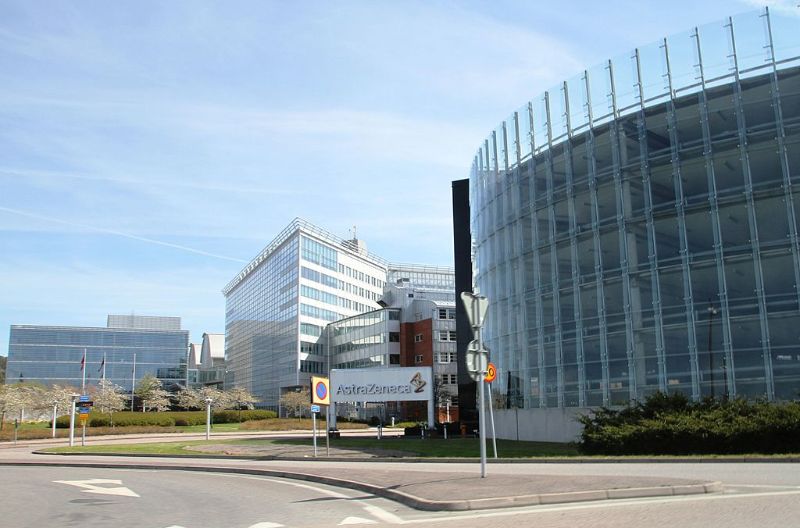
AstraZeneca has reported that the Phase III THALES clinical trial of Brilinta (ticagrelor) has met its primary endpoint in patients who had a minor acute ischaemic stroke or high-risk transient ischaemic attack (TIA).
The trial assessed a 90mg twice-a-day dose of the drug given with aspirin for 30 days in more than 11,000 stroke patients in the 24 hours prior to the initiation of treatment.
Go deeper with GlobalData


Discover B2B Marketing That Performs
Combine business intelligence and editorial excellence to reach engaged professionals across 36 leading media platforms.
Brilinta is an oral, reversible, direct-acting antagonist of the P2Y12 receptor. The drug is designed to prevent platelet activation and its use with aspirin was observed to mitigate the risk of major adverse CV events in patients with acute coronary syndrome (ACS) or a myocardial infarction (MI) history.
Co-administration of Brilinta and aspirin is indicated to prevent atherothrombotic events in adults, or for patients with a history of MI and a high risk of an atherothrombotic event.
The randomised, placebo-controlled, double-blinded trial met the primary composite endpoint, where patients treated with AstraZeneca’s drug and aspirin had a statistically significant and clinically meaningful decrease in the risk of stroke and death compared to those on only aspirin.
Preliminary safety analysis revealed that the data was consistent with the known profile of Brilinta. The bleeding rate was higher in the treatment group.
AstraZeneca BioPharmaceuticals R&D executive vice-president Mene Pangalos said: “Results of the Phase III THALES trial showed Brilinta, in combination with aspirin, improved outcomes in patients who had experienced a minor acute ischaemic stroke or high-risk transient ischaemic attack.”
The company has also announced that Enhertu (trastuzumab deruxtecan), which is being developed in partnership with Daiichi Sankyo, led to a statistically significant and clinically meaningful improvement in objective response rate (ORR) and overall survival (OS) in the Phase II DESTINY-Gastric01 trial.
During the trial, Enhertu’s safety and efficacy were assessed in 189 HER2-expressing advanced gastric cancer or gastroesophageal junction adenocarcinoma patients from Japan and South Korea.
Earlier this month, the company initiated three new trials to evaluate Fasenra for the treatment of eosinophil-driven skin diseases.


