

At the European Society of Cardiology’s 2025 Congress held in Madrid, Spain, from 29 August to 1 September, results from a study by Kick and colleagues were presented. The study investigated the real-world use of oral semaglutide in adults with type 2 diabetes (T2D) in Switzerland in the PIONEER REAL Switzerland multicentre, prospective, observational study, and aimed to demonstrate that semaglutide tablets are effective in significantly reducing HbA1c [blood glucose levels] and body weight.
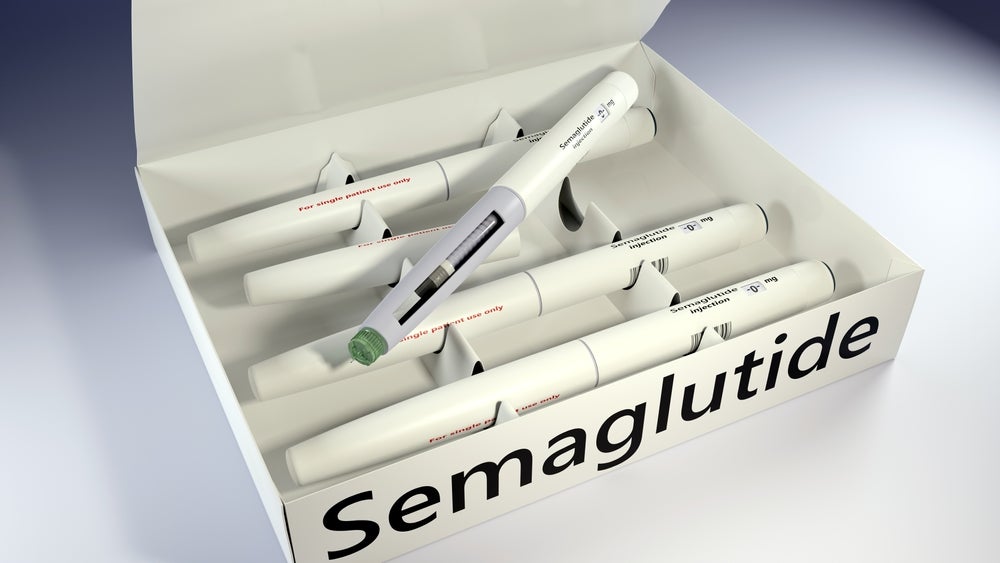
T2D and obesity are strongly correlated, so a reduction in weight gain often leads to improvements in insulin resistance and a decreased HbA1c, and semaglutide has been found to have significant clinical efficacy in treating both T2D and obesity. Semaglutide is a type of glucagon-like peptide-1 receptor agonist (GLP-1RA) and is manufactured by Novo Nordisk in various forms: the injectables Ozempic (for T2D) and Wegovy (for obesity), and the oral semaglutide Rybelsus (for T2D). Semaglutide, in the form of Ozempic, has a strong evidence base in treating T2D and in leading to improved HbA1c and insulin resistance. However, since this is an injectable therapy, building the same evidence base for oral semaglutide will likely lead to increased patient compliance and increased prescribing by physicians.
Go deeper with GlobalData


Access deeper industry intelligence
Experience unmatched clarity with a single platform that combines unique data, AI, and human expertise.
Key opinion leaders interviewed by GlobalData emphasised their preference for highly efficacious oral therapies in T2D and obesity patients, particularly for the GLP-1 class. They demonstrated enthusiasm for oral semaglutide for improved patient compliance and the resulting improvement in long-term outcomes, and positive clinical data from this therapy will only lead to an increased rate of prescribing.
For this study, 185 adults (female/male, n=67/118) with T2D living in Switzerland were identified and their HbA1C and body weight were measured following the prescribing of oral semaglutide by their physician. The study was a 34-to-44-week multicentre, prospective, non-interventional single-arm study of adults with T2D who had not been previously treated with injectable glucose-lowering medication and were initiated on oral semaglutide as part of routine clinical practice. The study’s primary endpoint was a change in HbA1c from baseline (BL) to end of study (EOS), and its secondary endpoints were a change in body weight (BW) from BL to EOS and the proportion of patients achieving HbA1C <7.0% and the composite endpoints HbA1c reduction ≥1% with a BW reduction of ≥3% or ≥5% at EOS. Safety was assessed in study participants who had received ≥1 dose of oral semaglutide.
The study’s results showed that 168 (of 185) (90.8% ) completed the study, and 143 (77.3%) remained on the oral semaglutide treatment at EOS. At BL, the participants had a mean age of 62 years, with a diabetes duration of 6.4 years, HbA1c of 7.7%, BW of 95.6% and body mass index of 33.2 kg/m². Of the participants, 56.2$ were receiving glucose-lowering medications. Significant reductions were observed for HbA1c (estimated change [95% confidence interval (CI)] −0.91% [−1.10, −0.71]; p < 0.0001), and for BW (estimated change [95% CI] −4.85% [−5.70, −4.00]; p < 0.0001). There were a total of 139 adverse events (AEs) reported in 65 (35.1%) participants, most of which were mild or moderate. The most frequent AE was gastrointestinal disorders (27.0%), and 31 AEs in 20 (10.8%) participants led to the discontinuation of oral semaglutide. Six serious AEs were reported, all of which were considered unlikely to be related to oral semaglutide.
The study concluded that people living with T2D and treated with oral semaglutide in Switzerland achieved clinically significant reductions in HbA1c and BW with no new safety signals observed. This study will likely lead to the increased prescribing of oral semaglutide for patients with T2D and for those with T2D and obesity. The market share of semaglutide brands across the cardio-metabolic disease market has been significant, with Novo Nordisk leading the GLP-1 market, and studies, such as PIONEER REAL, have increasingly demonstrated its efficacy. GlobalData forecasts that Rybelsus will increase its market share and have a similar potential in the improvement of long-term outcomes that has been observed with Ozempic and Wegovy, strengthening Novo Nordisk’s position in the GLP-1 market against an increasing wave of competitors.

