


Pregnancy safety evaluation has become a critical focus in the post-marketing phase of drug development, largely because pregnant women are almost always excluded from pre-approval clinical trials due to ethical and safety concerns. As a result, when a new medication reaches the market, there is often a knowledge gap regarding its safety for expectant mothers and their babies.
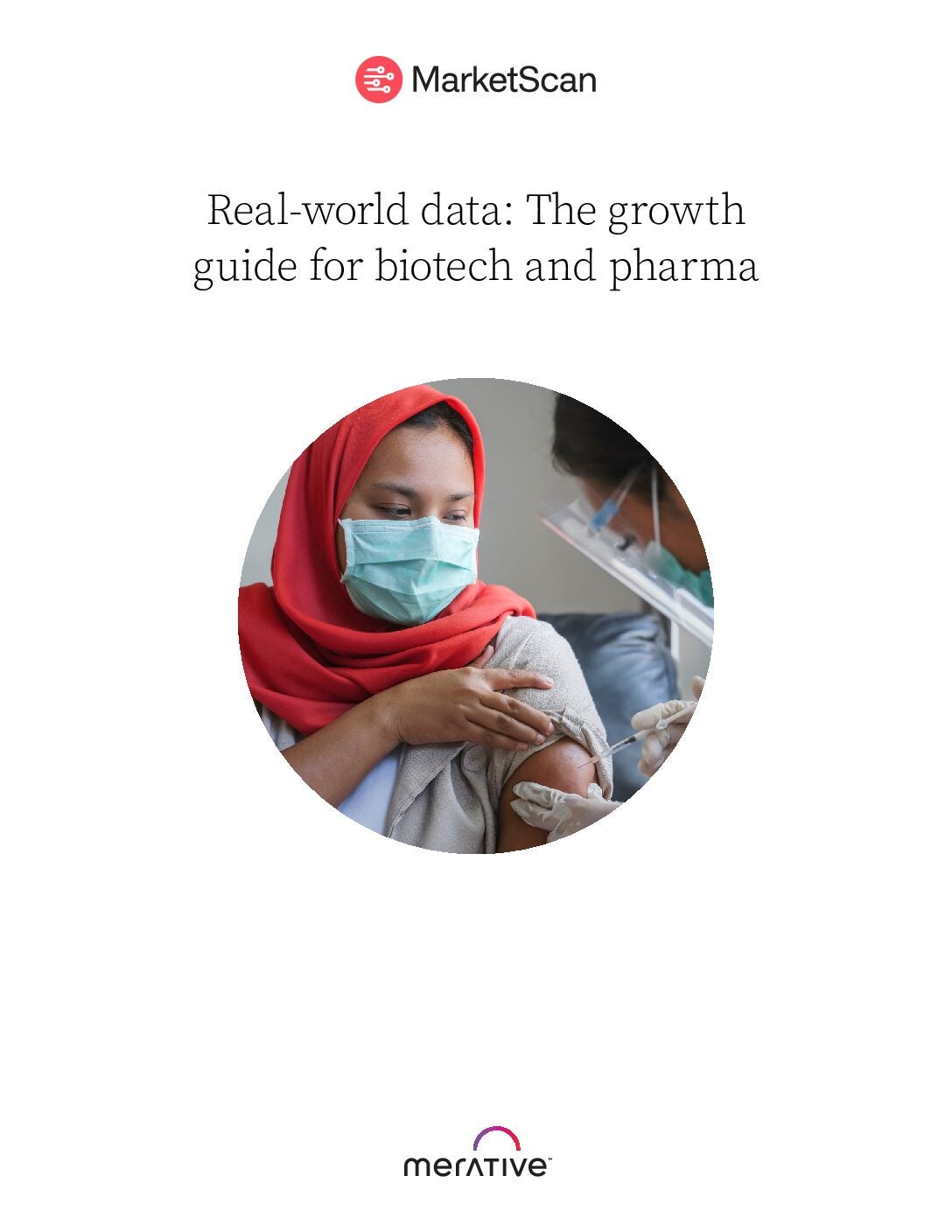
Post-marketing requirements (PMRs) are the primary way to gather real-world data (RWD) about a drug’s effects during pregnancy. These studies provide clinicians and patients with the insight needed to guide treatment decisions during pregnancy, inform updates to drug labeling, and ensure that pregnant patients receive safe and effective care. Large-scale electronic healthcare databases are becoming essential tools for enhancing post-marketing studies and improving outcomes for mothers and babies alike.
Why post-approval pregnancy safety studies are critical
Under the 2007 Food and Drug Administration Amendments Act (FDAAA), PMRs can be mandated to assess a known serious risk, to investigate a signal of serious risk that arises after approval, or to identify an unexpected serious risk when existing data suggest the possibility of harm. This builds on earlier provisions that allowed the FDA to require certain types of post-marketing studies, such as those confirming clinical benefit under accelerated approval pathways, deferred pediatric studies under the Pediatric Research Equity Act (PREA), and studies establishing safety and efficacy in humans for products approved under the Animal Efficacy Rule.[i]
Unique risks arise when medications or medical devices are used during pregnancy, as they can impact both the health of the mother and the development of the fetus, with potential adverse effects that may persist throughout the child’s life.
FDA guidance emphasizes the goal of post-approval pregnancy safety studies: to gather clinically relevant safety data on drug exposures in pregnancy and incorporate that information into product labeling. A descriptive cross-sectional analysis by the FDA identified 333 post-approval pregnancy safety studies as of mid-2023. Nearly two-thirds (63%) were pregnancy exposure registries, 21% were descriptive safety studies, 15% were database-based studies, and only 1% were randomized clinical trials. The main objective in nearly all cases (99%) was safety signal detection, rather than hypothesis-driven evaluation.[ii]
Why real-world data matters
Regulators now expect that pharmaceutical sponsors leverage RWD, including electronic health records, insurance claims, and pregnancy registries, to monitor outcomes such as birth defects, obstetric complications, and infant health in post-market settings. If a medication is likely to be used by pregnant patients, the FDA and other regulators want to see real-world safety evidence on maternal and fetal outcomes, generated from large populations in real healthcare environments.
Claims databases encompass millions of covered lives across different regions, age groups, and socioeconomic backgrounds, yielding large and diverse cohorts of pregnant patients. This scale is vital for detecting rare outcomes or drug exposure effects that might only appear in 1 out of 1,000 or 1 out of 10,000 pregnancies. Equally important is the longitudinal nature of claims data. Insurance claims track healthcare utilization over time and researchers can follow a mother’s journey from pre-pregnancy through each trimester and into the postpartum period, likewise following the child’s health outcomes after birth. This longitudinal reach, often spanning multiple years and insurance plan cycles, enables the observation of both short-term outcomes, such as birth complications, and longer-term child health developments.
The power of mother-infant linkage using real-world data
Modern techniques allow researchers to connect pregnant women to their infants within large databases, supporting evaluation of exposures during pregnancy and infant outcomes. This deterministic linkage means that if a pregnant woman takes a medication, analysts can directly look at the baby’s health records after birth within the same data system to see if any adverse outcomes occurred, such as birth defects or neonatal complications, and confidently attribute them to the correct mother–infant pair.
The value of mother-infant linkage extends beyond individual cases, as it enables population-level analyses of medication safety. For example, researchers can identify all infants born to mothers who were exposed to a particular drug during pregnancy and compare their health outcomes to infants of unexposed mothers, knowing that the matching is precise.
A 2018 study explored whether large-scale electronic healthcare databases can reliably assess the safety of medications during pregnancy. Researchers compared the approach with traditional prospective pregnancy registries. Using Triptans, such as sumatriptan (a class of medication used primarily to treat migraine headaches), as a case example, the researchers analyzed data from a retrospective claims database [iii] and a 16-year prospective pregnancy registry covering the same period. The retrospective cohort included 5,120 Triptan-exposed pregnancies, while the registry included 617.
For first-trimester sumatriptan exposure, the rate of major birth defects was identical at 4.0% in both datasets. The researchers found that there “were very few non-livebirth outcomes in both the claims analyses and registry.” The claims-based approach identified roughly seven times more exposed pregnancies. The study concludes that electronic health care databases can be a valuable, efficient alternative or complement to prospective registries for post-approval drug safety monitoring, particularly for populations such as pregnant women who are typically excluded from clinical trials.[iv]
MarketScan: Transforming pregnancy safety studies
For more than 20 years, MarketScan®, a Truven data solution, has been one of the largest and most utilized proprietary RWD sources in the U.S., encompassing a portfolio of de-identified healthcare claims drawn from a broad spectrum of sources, including large, self-insured employers, commercial health plans, and government programs such as Medicaid.
MarketScan provides a uniquely robust foundation for pregnancy studies through its comprehensive, longitudinal claims data, which includes inpatient, outpatient, and prescription drug records across both commercially insured and Medicaid populations. Its data model avoids the annual churn typical of health plan-sourced datasets, enabling continuous tracking of pregnancy exposures and postnatal outcomes for over 52 weeks.
This level of completeness and consistency makes MarketScan especially valuable for regulatory-grade research, including studies submitted to the FDA to evaluate maternal and newborn outcomes. The ability to deterministically link maternal records to newborns—without relying on proxy measures—ensures high confidence in exposure-outcome relationships.
When paired with the MarketScan Research & Analytics team, these advantages are further amplified. The team brings over 25 years of experience in developing validated algorithms and executing scientifically rigorous studies. Their access to exact birth and death dates allows for precise exposure window definitions and accurate classification of neonatal outcomes, while their ability to link claims data to external electronic medical records supports validation and chart review activities.
With deep expertise in coordinating with regulatory bodies and responding to FDA data-on-file requests, the team ensures that pregnancy studies conducted using MarketScan are methodologically sound and regulatory-ready.
To find out more about MarketScan’s expertise as a data and analytics partner for the health industry, download the whitepaper below.
[i] https://www.fda.gov/drugs/guidance-compliance-regulatory-information/postmarketing-requirements-and-commitments-introduction
[ii] https://www.fda.gov/drugs/development-resources/division-pediatrics-and-maternal-health-post-approval-studies-pregnant-individuals
[iii] Yusuf et al. (2018) evaluated triptan exposure in pregnancy using Merative MarketScan, a Truven data solution.
[iv] https://pubmed.ncbi.nlm.nih.gov/30240072/
