

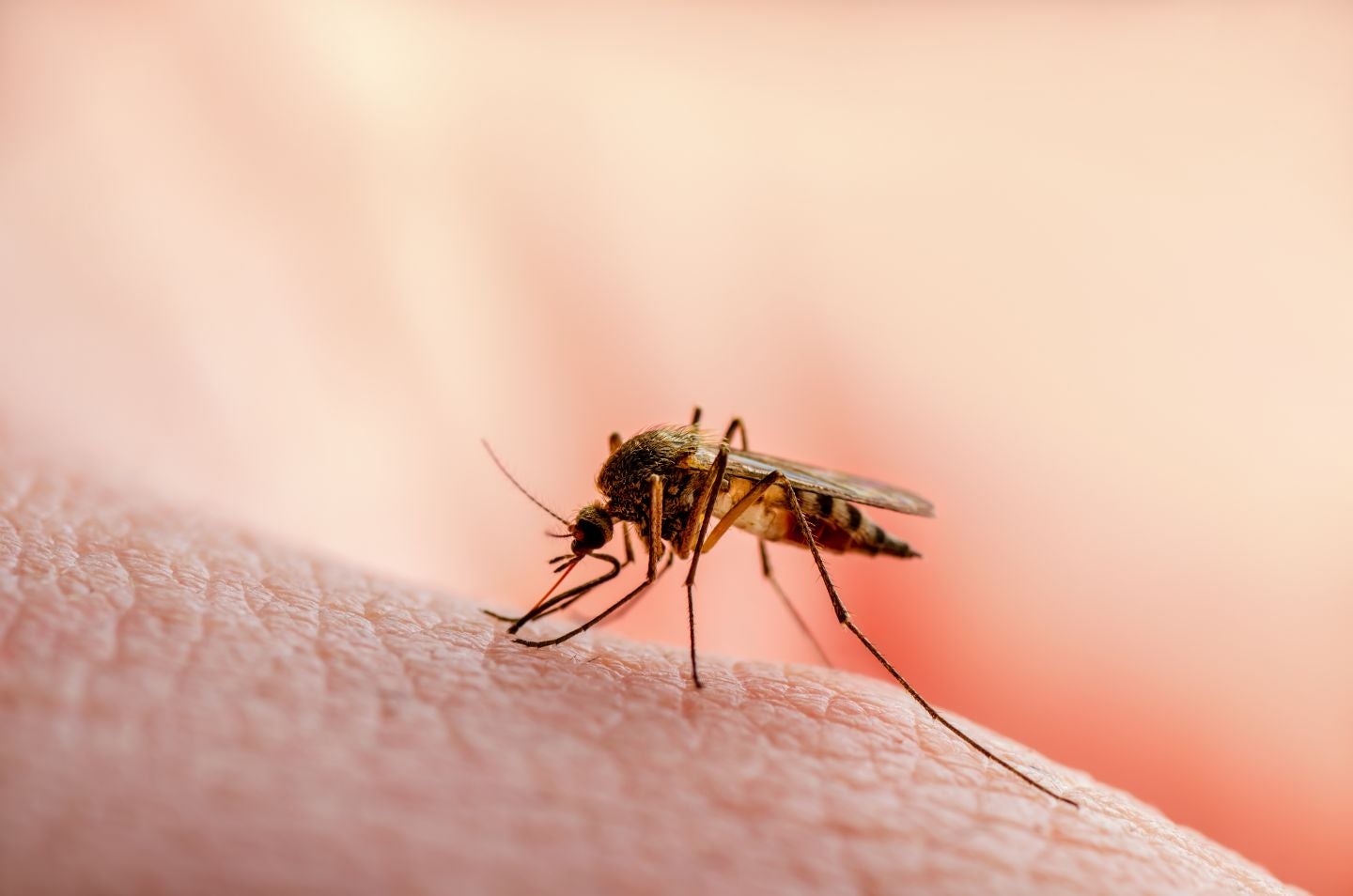
World Neglected Tropical Disease (NTD) Day is an opportunity to highlight leishmaniasis not only as an ongoing health challenge, but also as a disease that many countries have successfully eliminated or reduced to very low levels. In the US, Japan, South Korea, and Australia, leishmaniasis is rare. In these countries, most reported cases are linked to travel and other exposures outside national borders. However, in Brazil, Ethiopia, India, and South Sudan, leishmaniasis continues to be endemic. GlobalData’s leishmaniasis forecast highlights that visceral leishmaniasis (VL), the most severe form of the disease, is a major public health concern in these markets.
According to GlobalData’s epidemiology forecast in Brazil, Ethiopia, India, and South Sudan, the incidence rates of VL are expected to plateau from 2025 to 2029, remaining at approximately 2.00 cases per 100,000 population in Brazil and Ethiopia, 18.00 cases per 100,000 population in South Sudan, and 0.20 cases per 100,000 population in India. The incidence of VL is characterised by the heavy concentration of cases in a small number of countries. The distribution and concentration of VL vary from country to country. For example, in Brazil, recent epidemiologic studies show that VL can emerge in unexpected geographic areas. Since the 1980s, VL has spread from rural areas to urban settings such as São Paulo. The spread from urban to rural is driven by rapid urbanisation, environmental changes, and the spread of infections from sand flies and dogs. In South Sudan, VL epidemics resulted from the forced migration due to conflicts that led to population displacement and weakened immunity. Large movement of people, particularly those with no prior exposure to leishmaniasis, into endemic zones has created lethal outbreaks. Young children are disproportionately affected due to malnutrition. In countries like Brazil, India, Ethiopia, and South Sudan, transmission is shaped by various factors such as seasonal patterns, population displacement or migration, and limited access to healthcare, among others.

Access deeper industry intelligence
Experience unmatched clarity with a single platform that combines unique data, AI, and human expertise.
Awareness days help inform the public about the symptoms of a disease. This is critical when we consider that VL is lethal if left untreated. However, eliminating leishmaniasis takes more than public awareness; it requires a committed and organised response from government and public health agencies. Sustained progress comes from continued data collection and surveillance because they identify infection hotspots and inform targeted interventions. For example, if an important vector for VL is sand flies, a targeted intervention, such as spraying insecticide, can significantly reduce the risk of large-scale outbreaks. Active case detection and innovative research help us understand the disease and inform the development of new treatments. On World Neglected Tropical Disease Day, VL serves as a reminder that progress is possible, but fragile, and that continued investment is needed to both sustain elimination and to reach populations where transmission persists.
