

A 96-week Phase III study in adults with HIV who were previously virologically suppressed on oral antiretroviral therapy (ART) has demonstrated that switching to the fixed-dose combination of doravirine + islatravir (DOR/ISL) by Merck (MSD) continues to support durable viral suppression and long-term tolerability. The results of this study were presented at the 33rd Conference on Retroviruses and Opportunistic Infections (CROI 2026) in Denver, Colorado. The randomised study enrolled 551 adults, with 366 participants switching to DOR/ISL at baseline and 185 continuing their existing ART regimen. At week 48, nearly all participants remaining on baseline therapy changed over to DOR/ISL, resulting in a total of 543 individuals receiving the investigational regimen. DOR/ISL will compete with existing therapies.
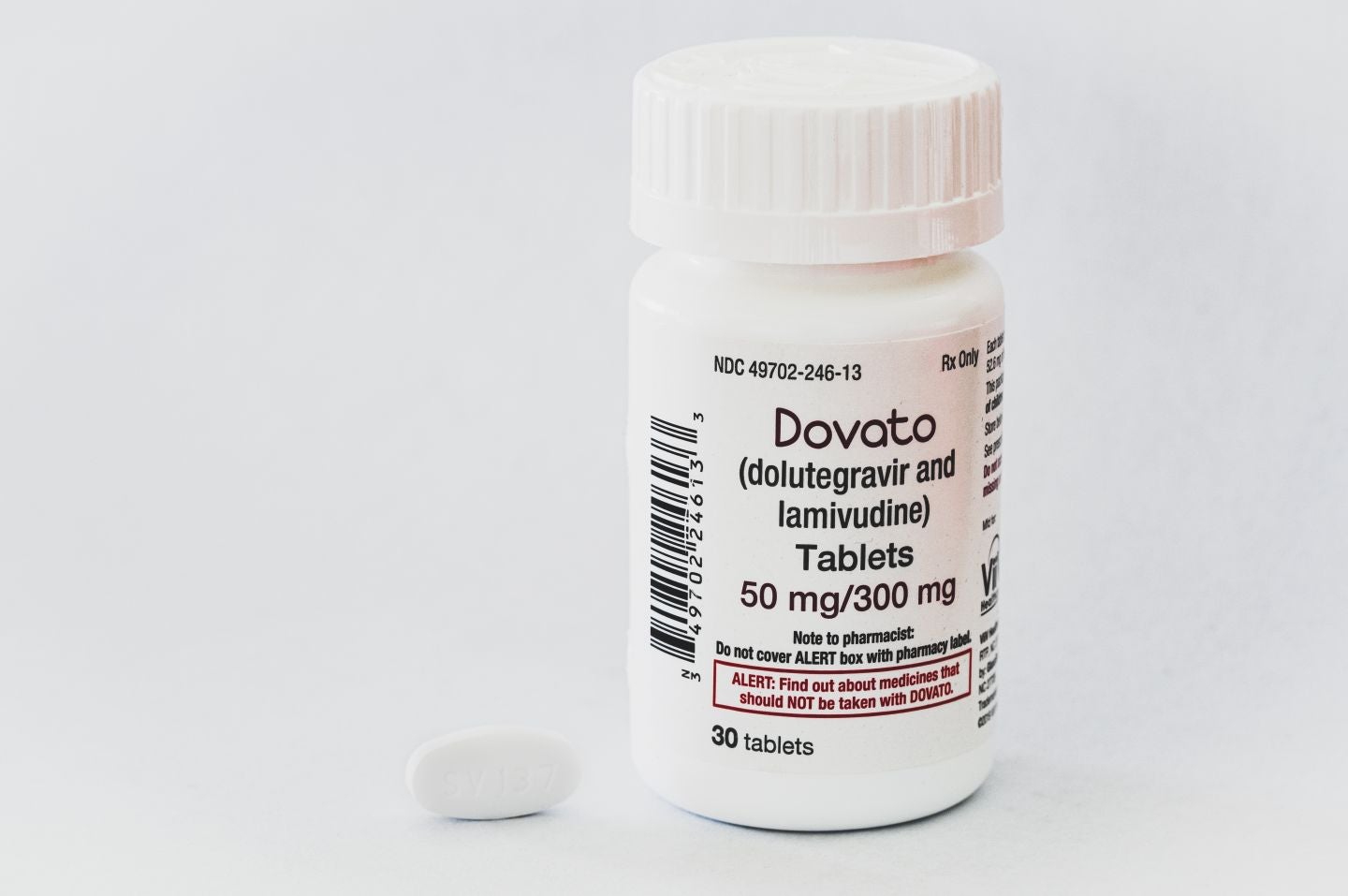
DOR/ISL is currently at the pre-registration stage of development in the US and is expected to launch in this market in 2026, if approved. It is also in Phase III development in the EU. This once-daily, two-drug single-tablet regimen (STR) offers an integrase-sparing alternative to ViiV Healthcare’s Dovato, one of the leading STRs currently on the market. Furthermore, the market is shifting away from three- or four-drug STRs, which currently dominate the market, towards two-drug STRs in the pipeline, to simplify treatment and reduce drug exposure and toxicity. While virologic suppression data has been promising for DOR/ISL, key opinion leaders (KOLs) interviewed by GlobalData note that to justify its use, the combination must demonstrate reduced side effects, particularly regarding weight gain and central nervous system (CNS) tolerability. Its appeal may be strongest among patients with previous integrase inhibitor (INI) intolerance or metabolic concerns.
Go deeper with GlobalData


Access deeper industry intelligence
Experience unmatched clarity with a single platform that combines unique data, AI, and human expertise.
Safety outcomes from the Phase III trial remained consistent with earlier findings. Rates of adverse events during weeks 48 to 96 were comparable to those seen in the first 48 weeks of treatment. Importantly, mean changes in CD4+ T-cell counts and total lymphocyte counts were similar across treatment groups, with no discontinuations attributed to declines in immune cell levels. Weight changes following initiation of DOR/ISL were modest overall. Larger increases were observed among participants who switched from regimens containing efavirenz and/or tenofovir disoproxil fumarate, consistent with prior observations of weight changes following discontinuation of weight-suppressive therapies. GlobalData projects the drug could reach around $1.8bn by 2033, across the seven major markets (7MM: US, France, Germany, Italy, Spain, UK, Japan).

