

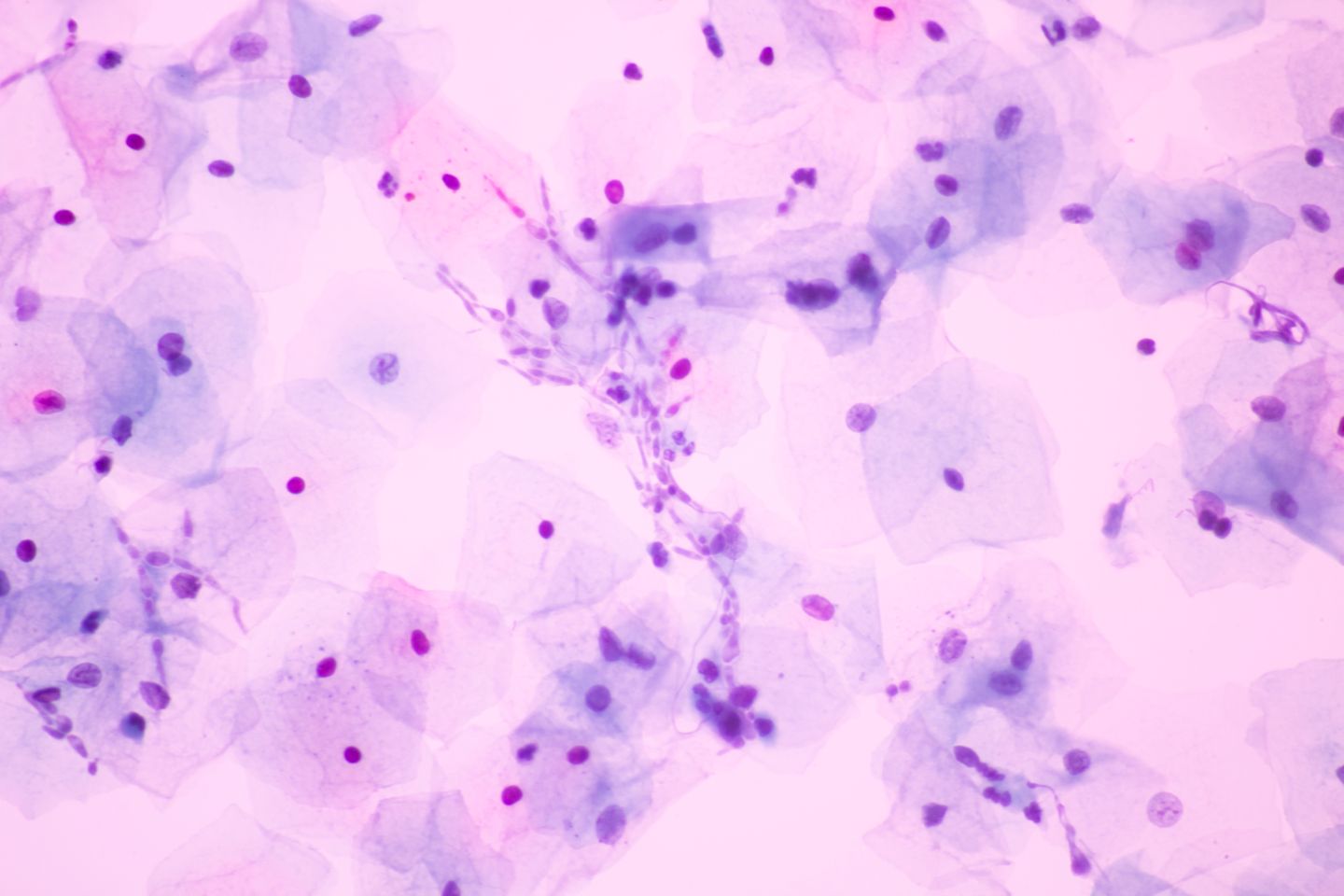
Invasive candidiasis (IC) is a severe fungal infection caused by various Candida species that primarily affects the internal organs. Those who are critically ill or immunocompromised are most at risk of infection, and the disease is associated with a high mortality rate. As antimicrobial resistance increases globally, there is a pressing need for novel antimicrobial agents to combat these infections. Scynexis’s SCY-247 is a second-generation intravenous (IV)/oral triterpenoid antifungal that acts by inhibiting glucan synthase, an enzyme involved in the formation of 1,3-beta-D-glucan, which is an essential component of the fungal cell wall.
The results of a Phase I study assessing the safety, tolerability, and pharmacokinetic properties of repeat oral SCY-247 administration to healthy participants were presented at the European Society of Clinical Microbiology and Infectious Diseases (ESCMID) Global Conference. Participants received once-daily doses of 50mg, 100mg, 200mg, or 300mg of oral SY-247 or a matching placebo for seven days. Six participants received the active drug, and two participants received a placebo per cohort. The day 7 steady-state exposure (AUC0-24) was compared to those associated with efficacy in established murine models of IC caused by Candida albicans, Candida auris, and Candida glabrata. SCY-247 efficacy was assessed across nine independent murine IC studies.
Go deeper with GlobalData


Access deeper industry intelligence
Experience unmatched clarity with a single platform that combines unique data, AI, and human expertise.
Results demonstrated that SCY-247 was well tolerated, with no severe or serious adverse events. The most frequent adverse events were mild headache or diarrhoea. Furthermore, SCY-247 showed linear and predictable pharmacokinetics in humans compared to mouse models. Plasma AUC0-24 increased doses proportionally in humans after daily doses of 50mg, 100mg, 200mg, and 300mg, with mean±standard deviation (SD) levels on day 7 being 14.3±2.39 hr.μg/mL, 38.9±7.44 hr.μg/mL, 80.5±20.1 hr.μg/mL, and 105.5±25.9 hr.μg/mL, respectively. SCY-247 was rapidly absorbed with a time to maximum concentration between 7–4.3 hours after the first dose and an elimination half-life of 45–73 hours. Steady state was achieved after the fourth dose.
In preclinical models, SCY-247 demonstrated potent activity against a broad range of fungal pathogens, including some of the most difficult-to-treat pathogens such as C. auris. Additionally, positive trial data for SCY-247 support progression into Phase II trials. These results can inform dosing regimens in humans. Specifically, more than 100mg of SCY-247 is anticipated to achieve efficacious exposures. This could be a valuable new treatment option for those with invasive fungal infections, specifically those with IC, which has a high burden of disease and can be fatal. Additionally, oral formulations could be a differentiating factor, as the IC market is dominated by IV therapies.

