

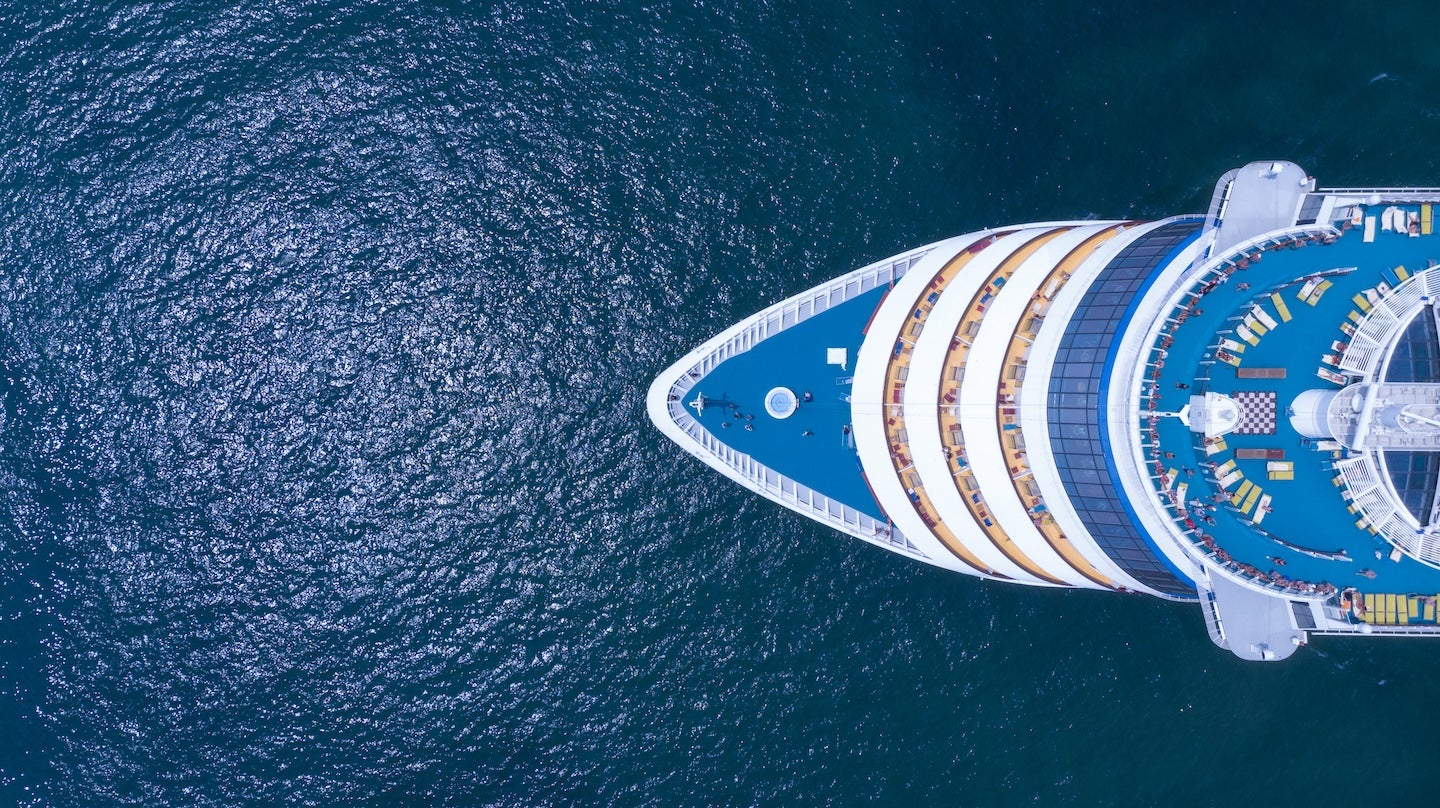
According to Disease Outbreak News, which was published by the World Health Organization (WHO) on 13 May, there have been 11 total cases of hantavirus originating from the cruise ship Hondius, eight of which have been confirmed to be the Andes strain (ANDV). There have also been three deaths, yielding a fatality rate of 27%. This outbreak is unusual because hantavirus is usually transmitted from rodent faeces and is not usually capable of person-to-person transmission, unless it is ANDV and there is prolonged close contact. Several factors have allowed this outbreak to occur, specifically aboard a cruise ship such as the Hondius.
The most apparent risk factor for transmission on a cruise is the closed environment of the ship. All passengers and crew are in contact with each other, either directly or indirectly, the entire time that the ship is at sea. This creates the conditions necessary for ANDV to spread, which does not generally occur on land. Additionally, the food and water supply is shared, which has been connected to other cruise-specific outbreaks such as norovirus and Legionella pneumophila.

Access deeper industry intelligence
Experience unmatched clarity with a single platform that combines unique data, AI, and human expertise.
The second risk factor is international travel. The working hypothesis presented in Disease Outbreak News is that patient zero acquired hantavirus from a zoonotic exposure and then boarded the Hondius. Because the strain was ANDV, person-to-person transmission was possible. While this specific disease is rare, the outbreak
highlights the possibility that infectious agents can enter the ship environment through boarding. This phenomenon has been seen with vaccine-preventable diseases (VPDs), with passengers unwittingly spreading measles and varicella.
The third risk factor is excursions. Passengers often disembark at multiple locations during cruises. The Hondius stopped at Antarctica, South Georgia, Nightingale Island, Tristan da Cunha, Saint Helena, and Ascension Island. Each of these locations has the potential to either spread an onboard infection to land or the reverse. In a May 2026 publication in Travel Medicine and Infectious Diseases, Alimuddin Zumla and colleagues noted that there is a gap in existing outbreak prevention regarding zoonotic and environmental exposures.
Public health measures have been enacted to interrupt the transmission of the ANDV outbreak. The WHO guidelines state that high-risk contacts should be put on active monitoring and quarantine for 42 days following exposure. This is due to the wide incubation period range, which is anywhere from one to eight weeks post-exposure for hantavirus pulmonary syndrome (HPS). Additionally, healthcare workers are recommended to employ appropriate personal protective equipment (PPE) and waste management, while laboratories are mobilising for serological and molecular diagnostic testing. In the future, zoonotic transmission events are likely to be included in cruise ship outbreak protocols, including containment and reporting.

