

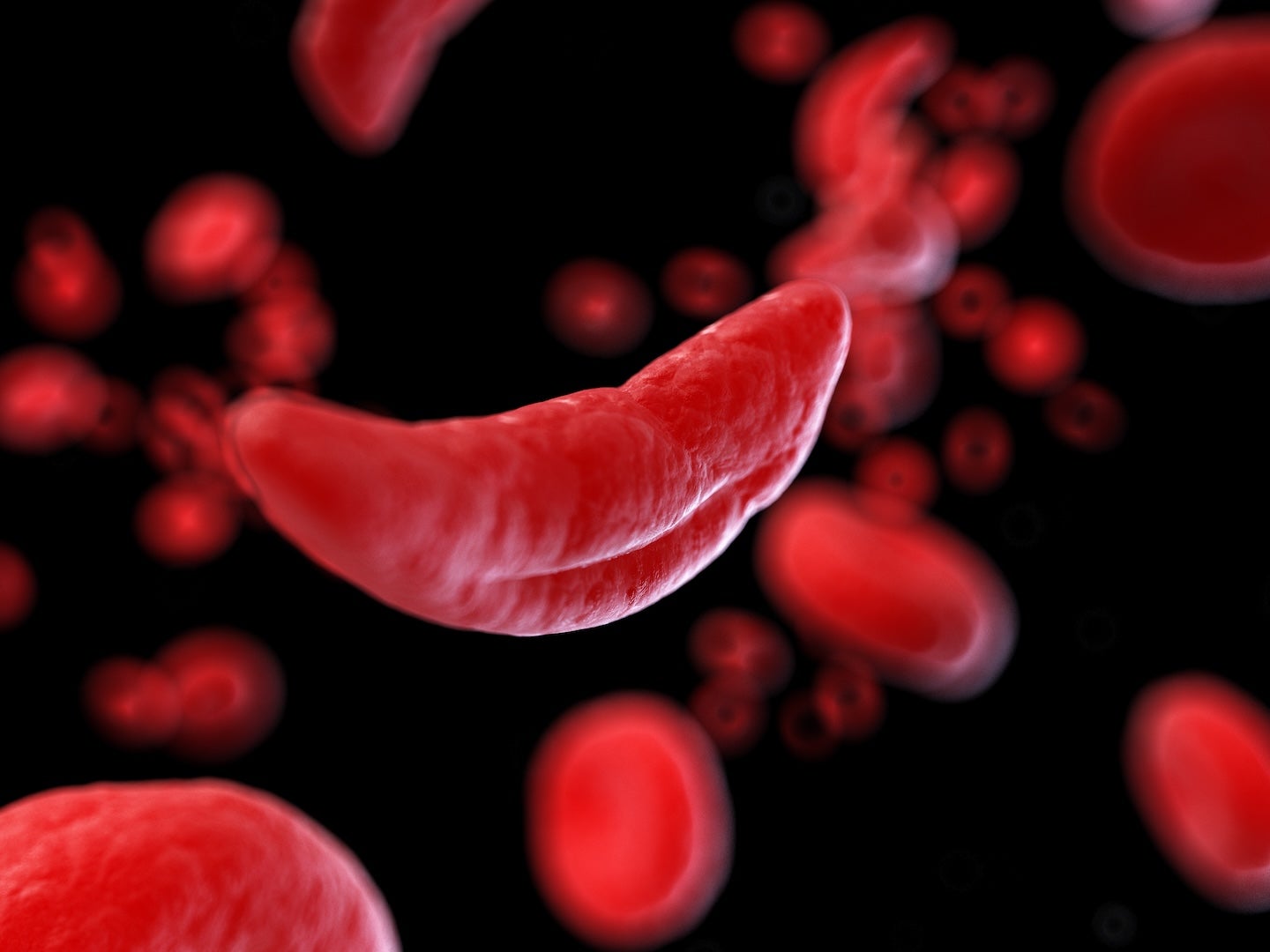
Sickle cell disease (SCD) is a genetic blood disorder that causes red blood cells to form in a crescent moon shape. These sickled blood cells can stick together and prevent oxygen from getting to a person’s tissues and organs. SCD is inherited when someone gets two copies of a gene that codes for an abnormal haemoglobin. SCD is usually diagnosed with a blood test; in some countries, this test is part of routine newborn screening tests. These tests have helped reduce mortality in babies born with SCD. According to GlobalData’s epidemiology forecast for the 16 major markets (16MM: the US, France, Germany, Italy, Spain, the UK, Japan, Australia, Brazil, Canada, China, India, Mexico, Russia, South Africa, and South Korea), the burden of SCD was estimated at approximately 400,000 diagnosed prevalent cases in 2025. Current therapies primarily offer symptomatic relief, but not a cure.
According to the World Health Organization (WHO), SCD ranks as the 12th leading cause of under-five mortality when looking at total mortality burden. Common complications of SCD are acute pain episodes, anaemia, stroke, infections, kidney failure, and pregnancy-related risks. A major challenge of SCD is that the highest prevalence of SCD is found in sub-Saharan Africa and several low-resource settings. Patients often face barriers to timely diagnosis, specialist care, and effective treatment, which results in poor health outcomes when compared to other chronic diseases. Although advances in care have improved survival, many patients experience a reduced quality of life throughout adulthood. Patients face frequent medical complications and interrupted education and employment as they deal with unpredictable pain episodes that limit their participation in school and in the workforce.

Access deeper industry intelligence
Experience unmatched clarity with a single platform that combines unique data, AI, and human expertise.
Recent therapeutic advancements include gene therapies that offer a potential cure, but major challenges remain, including high cost, the need for myeloablative conditioning (an intensive treatment of chemotherapy or radiation that clears out unhealthy blood-forming cells in the bone marrow to make space for a stem cell transplant), and limited access in high-prevalence regions. Ensuring equitable access remains the biggest hurdle to reducing the burden of SCD and will require substantial global efforts to reduce cost, build the necessary infrastructure to support treatment, and ensure that these therapies reach all patients.
