

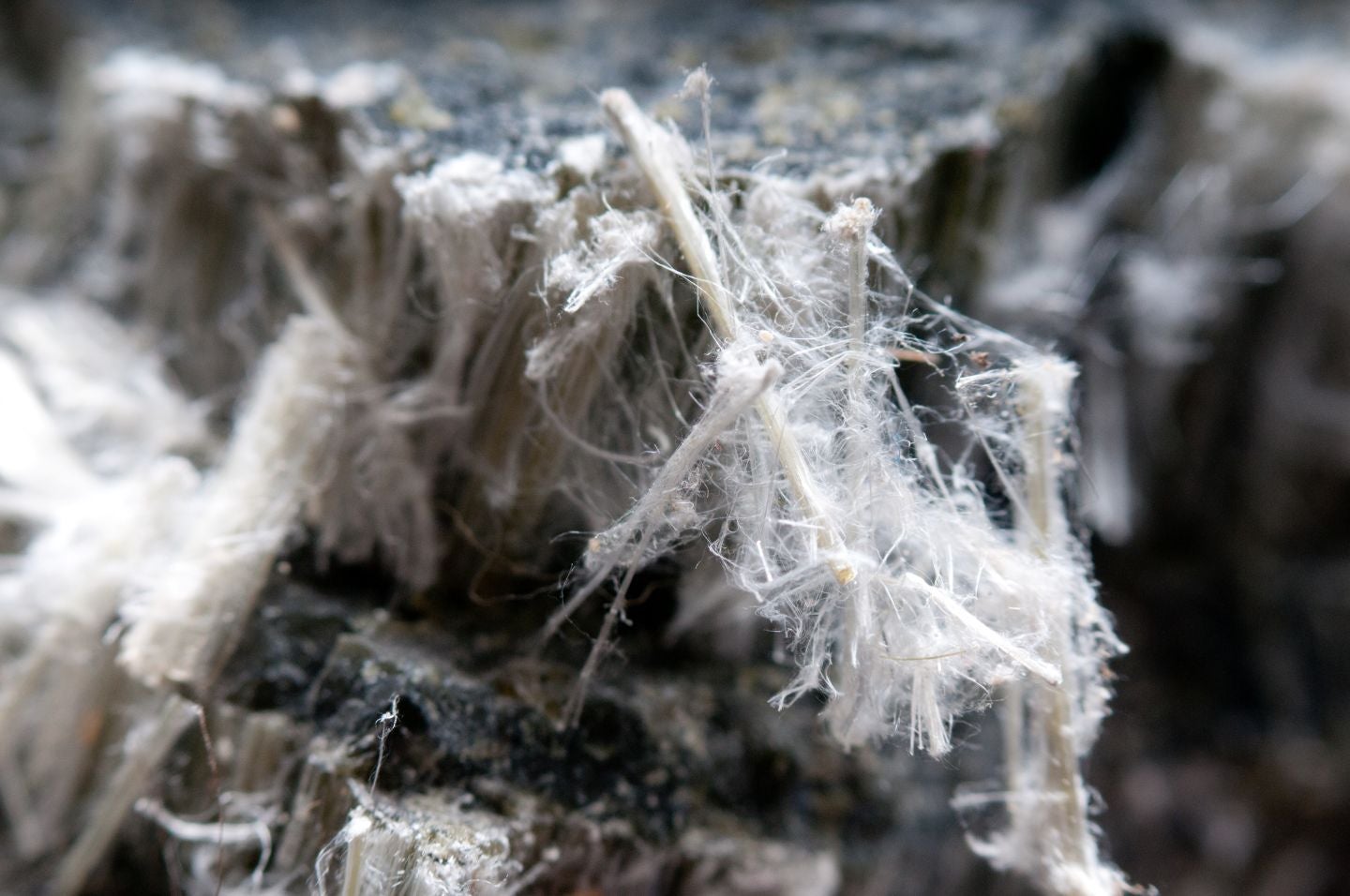
Asbestos is a naturally occurring mineral that is resistant to heat and corrosion. These properties make it suitable for insulation and fireproofing materials, vehicle brakes, and wallboard and roof materials in buildings. Asbestos was widely used in the UK because the harmful effects of this material were not fully known. Exposure to asbestos causes asbestosis (inflammation and scarring of the lungs) and mesothelioma (a rare cancer of the pleural membrane of the lung). It can also cause cancers of the lung, larynx, and ovary. As the harmful effects of this material became known, the UK Government banned asbestos from building materials in 1999. Despite this ban, mesothelioma cases are still prevalent in the UK. GlobalData epidemiologists forecast 2,300 new cases of malignant pleural mesothelioma in the UK in 2025, and that this will remain unchanged in 2028. This represents the cancer cases that could have been avoided by minimising exposure to asbestos.
Despite the ban, asbestos is still present in numerous old buildings all across the UK. As the buildings become old and the structures deteriorate, the asbestos lining is disturbed, and tiny asbestos fibres are released into the air. When these asbestos fibres are inhaled, they get trapped in the lungs and the pleural lining covering the lungs. With repeated exposure, accumulated asbestos causes inflammation and scarring of lung tissue, which can affect breathing and lead to serious health problems such as mesothelioma.
Go deeper with GlobalData


Access deeper industry intelligence
Experience unmatched clarity with a single platform that combines unique data, AI, and human expertise.
Asbestos fibres are present in the air, water, and soil, but at very low levels and do not cause any impact to human health. However, some people get exposure to higher levels of asbestos fibres on a regular basis, either through work in the construction industry or by living in a house with a high level of disturbed asbestos. The rules and regulations are now much stricter in handling asbestos-related products. However, the exposure still occurs in the construction industry in the repair and removal of older buildings. Workers might get exposed in the manufacture of asbestos-containing products, such as textiles, friction products, insulation, and building materials.
According to the UK NHS, more than 2,700 people are diagnosed with mesothelioma each year in the UK, and these cases are most commonly diagnosed in people aged 75 and over. It is more prevalent in men, as men predominantly work in the construction industry. Mesothelioma is lethal, and currently, there is no curative treatment. Mesothelioma develops after repeated exposure to asbestos over a long period, typically more than 20 years. The UK NHS reports 2,500 deaths per year caused by mesothelioma.
Despite the regulations on handling products containing asbestos, diseases related to asbestos exposure can still be observed. Most people were exposed decades earlier when the regulations were not strict. In the future, asbestos-related diseases, including mesothelioma, are expected to decline. In the meantime, health and safety protocols on handling asbestos products need to continue to minimise the risk.

