

Metabolic dysfunction-associated steatotic liver disease (MASLD) is a group of liver diseases resulting from the storage of fat in the liver – a condition previously called nonalcoholic fatty liver disease (NAFLD).
MASLD is among the most common types of chronic liver disease and is estimated to affect 30% of the global population, according to the Cleveland Clinic. People with high cholesterol, high blood pressure, obesity and diabetes or insulin resistance are at a higher risk for MASLD. The condition has many causes, but among them is a link to diet. A recent study in Communications Medicine, a Nature Portfolio by Chen and colleagues, investigated the risk of developing MASLD in adults in the UK and found that adding salt to foods is associated with a higher risk of developing this liver condition.
Go deeper with GlobalData


Access deeper industry intelligence
Experience unmatched clarity with a single platform that combines unique data, AI, and human expertise.
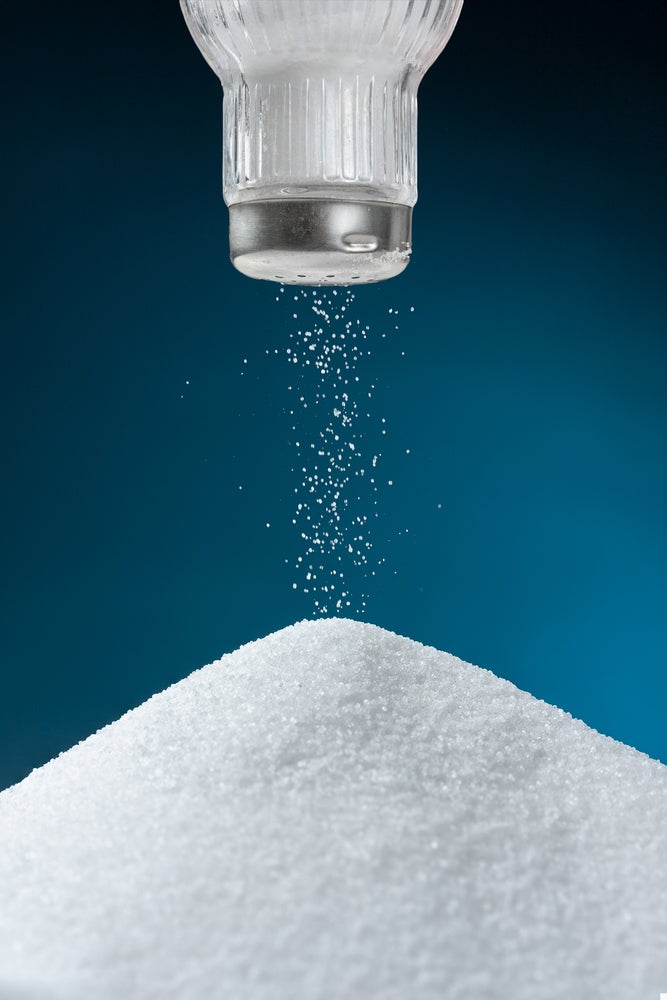
Chen and colleagues’ study leveraged data from 494,110 adult UK Biobank participants who were free of MASLD at baseline, with a median follow-up of 13.6 years. During follow-up, 7,171 participants developed MASLD and a clear dose-response relationship was observed. People who sometimes, usually and always added salt to foods had a 7%, 20% and 35% higher risk of developing MASLD, respectively, compared to people who never or rarely did so. The association between adding salt and developing MASLD was stronger in people with a normal body mass index and people who frequently drank alcohol. These findings strongly suggest an association between adding salt to foods and MASLD.
GlobalData epidemiologists monitor MASLD prevalence in the UK and have forecasted an increase in the total prevalent cases of MASLD from 9,900,000 cases in 2024 to 10,400,000 cases in 2032 – an increase of approximately 5%. Diagnosed prevalent cases of MASLD are also forecasted to increase from almost 5,200,000 cases in 2024 to 6,600,000 cases in 2032. This increase is not unique to the UK, and suggests that urgent action must be taken to identify and treat current cases of MASLD and prevent future cases from developing.
With a new understanding of the modifiable risk factors for MASLD, something as simple as reducing salt intake can have a graded impact on risk. With the number of MASLD cases increasing, both in the UK and globally, reducing salt intake is a small step that individuals can take to protect their liver health and prevent MASLD.

US Tariffs are shifting - will you react or anticipate?
Don’t let policy changes catch you off guard. Stay proactive with real-time data and expert analysis.
By GlobalData
