

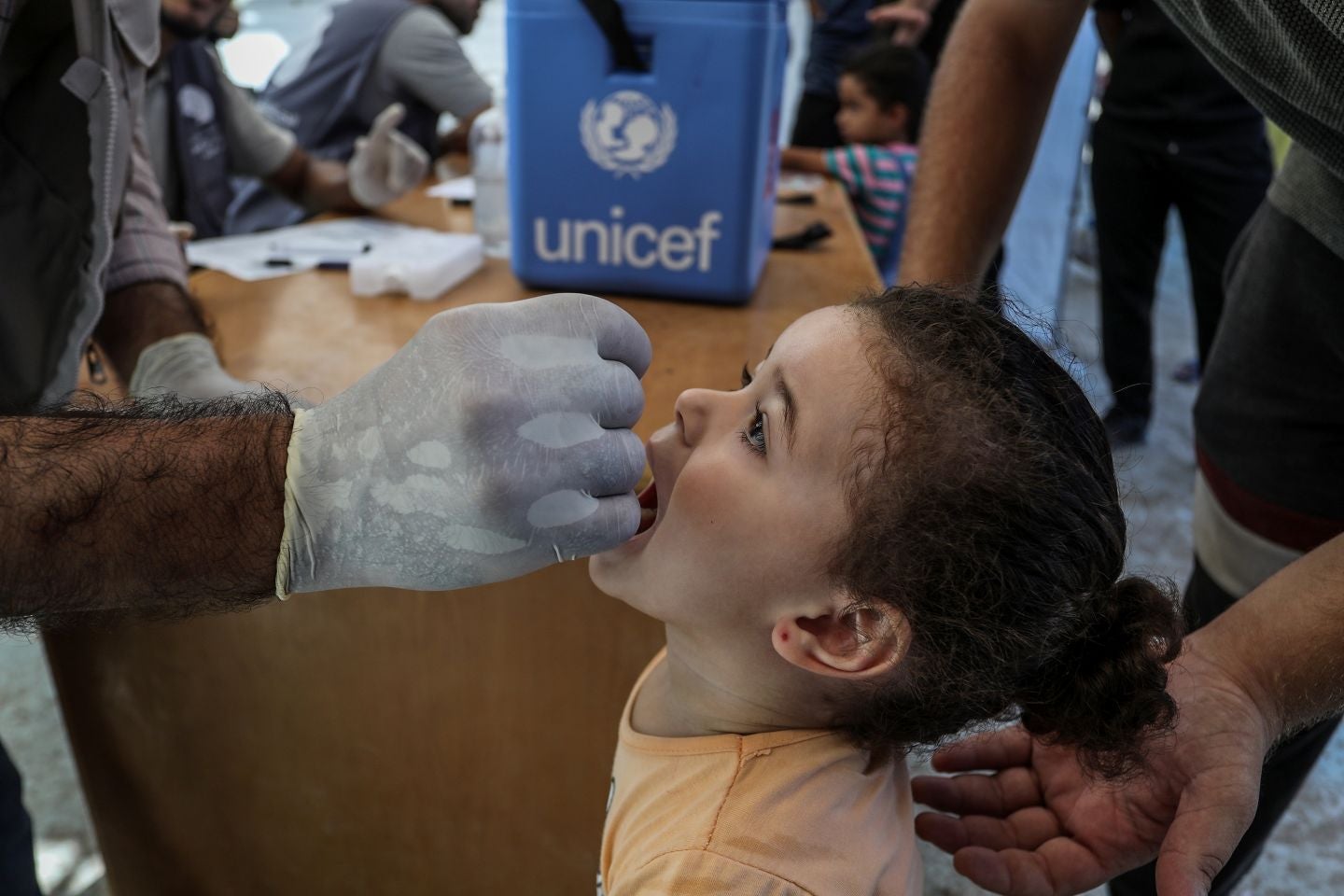
The World Health Organization (WHO) announced this month that a novel oral polio vaccine type 2 (nOPV2) has been prequalified. This is welcome news to help address the continuing incidence of polio cases, both in countries with endemic wild polio and in countries that battle sporadic outbreaks of circulating vaccine-derived polioviruses. Poliomyelitis is a serious vaccine-preventable disease that has been eradicated in Europe, the Americas, much of the Western Pacific, and most of
Asia. This disease can cause lifelong disability and mostly affects young children before their fifth birthday. For this reason, vaccination is the single most important tool in fighting this illness, and the new vaccine has significant potential to aid in
this ongoing struggle.
The new nOPV2 will have two benefits for global eradication efforts. First, this vaccine will give vaccinators and governments an additional option for vaccine stock, securing a more resilient and sustainable supply that can respond with agility to outbreaks. Prequalification from the WHO also allows United Nations procurement agencies, including the United Nations Children’s Fund (UNICEF), to purchase and supply this vaccine, which will increase access and improve the speed of responses. This will shore up responses to polio outbreaks and protect against supply chain disruptions, which can cost lives.
Go deeper with GlobalData

Access deeper industry intelligence
Experience unmatched clarity with a single platform that combines unique data, AI, and human expertise.
Second, this new nOPV2 also has the benefit of being more genetically stable than the current nOPV2 and so will not mutate into other variants of the virus, which reduces the risk of seeding new outbreaks of poliomyelitis, which the oral polio vaccine can cause. The new nOPV2 maintains the effectiveness of the current oral vaccine and will similarly interrupt the transmission of the virus.
GlobalData also monitors coverage for polio vaccination across the 16 major markets (16MM: US, France, Germany, Italy, Spain, UK, Japan, Australia, Brazil, Canada, China, India, Mexico, Russia, South Africa, and South Korea), with current forecasts showing that in 2026, South Africa will not meet the WHO’s target of 90% vaccine coverage. GlobalData forecasts show that only about three out of every four children aged two months will have received at least one dose of the polio vaccine, and by age 18 months, fewer than 60% of children will have received the recommended four doses.
This new vaccine will allow coverage of the vaccine to increase, especially in high-need communities that have previously struggled to source vaccine stock due to shortages and supply chain issues. The new vaccine will also work to prevent future outbreaks of oral polio vaccine-derived virus by maintaining its genetic stability. This is a vaccine that comes at a critical time for global health when investment in prevention has been cut dramatically, and each vaccine must provide maximum benefit for communities with the most urgent need. This new vaccine gives the global health community a critical new tool, but without funding for serious implementation of new supply chains and government buy-in, the promise of this vaccine is still uncertain.
US Tariffs are shifting - will you react or anticipate?
Don’t let policy changes catch you off guard. Stay proactive with real-time data and expert analysis.
By GlobalData

