

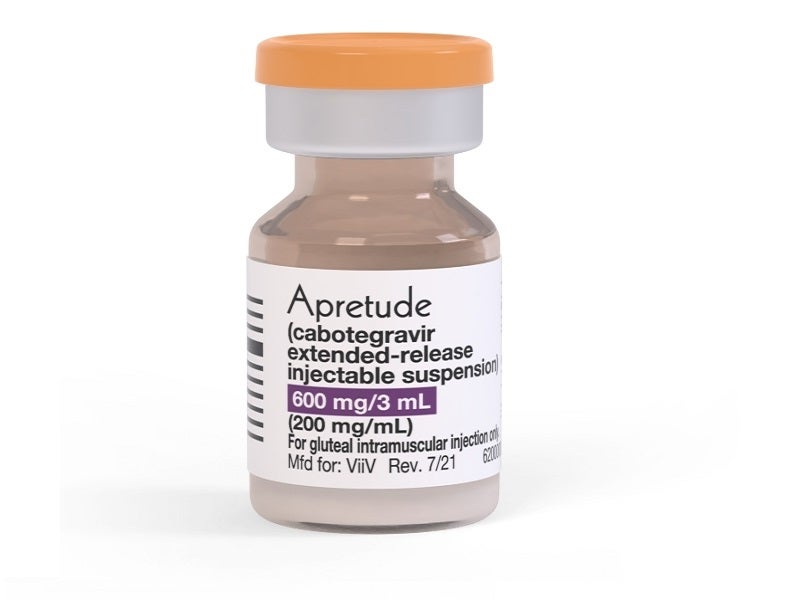
Apretude (cabotegravir) is the first and only injectable long-acting pre-exposure prevention (PrEP) treatment to minimise the risk of sexually acquired HIV-1.
The drug was developed by ViiV Healthcare, a joint venture between GlaxoSmithKline (GSK), Pfizer and Shionogi. It is approved for the treatment of HIV PrEP in adults and adolescents weighing at least 35kg and have tested negative for HIV-1 before taking the drug.
Recommended Buyers Guides

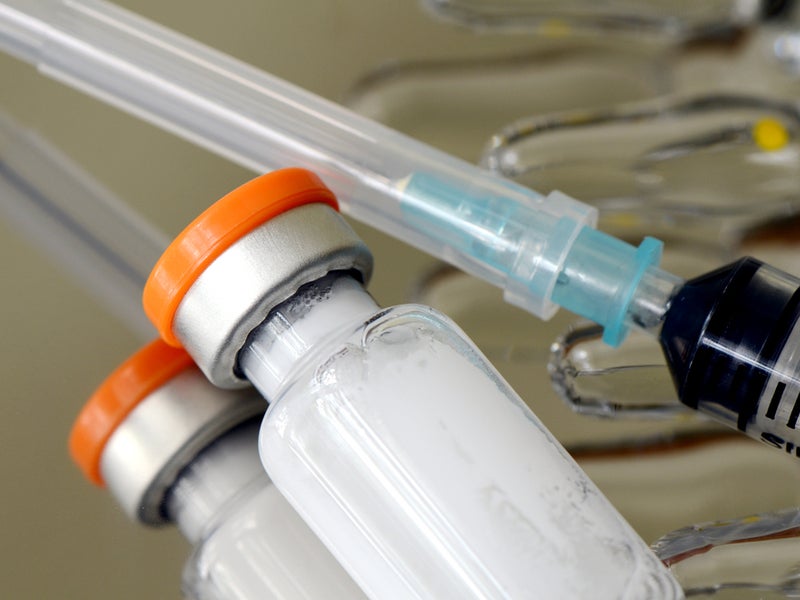
Apretude is available as a white-to-light-pink injectable suspension in a single-dose vial of 600mg/3ml (200mg/ml) cabotegravir. It is administered by a healthcare professional every two months following two initiation injections one month apart and an optional oral lead-in to determine tolerability.
Regulatory approvals for Apretude
Apretude is currently approved in 60 countries. It was first approved by the US Food and Drug Administration (FDA) for a PrEP option to reduce the risk of sexually acquired HIV-1 in December 2021. The drug has received breakthrough therapy designation from the FDA.
The European Commission authorised cabotegravir for HIV prevention in September 2023. Malaysia approved the drug in the same month.
Apretude is also approved for use in the UK, Canada, Australia, South Africa and Zimbabwe, as well as Malawi, Botswana, Brazil and several other countries.
HIV causes and symptoms
HIV is a life-threatening condition that compromises the immune system and can lead to acquired immunodeficiency syndrome if left untreated. An estimated 38 million people are living with the virus worldwide, with 1.7 million new cases diagnosed each year.
Signs and symptoms of the disease include headache, rash, swollen lymph glands, weight loss and night sweats. Other signs and symptoms include diarrhoea, muscle aches, joint pain, fever and cough, as well as sore throat and painful mouth sores.
PrEP is an effective way of reducing new HIV cases in combination with successful HIV antiretroviral treatment. It decreases the risk of contracting HIV through intercourse by around 99% and from injectable drug use by at least 74%.
Despite the widespread availability of daily oral PrEP, its use can be limited by irregular adherence, as well as cultural and structural hurdles that contribute to underutilisation in vulnerable groups.
Apretude’s mechanism of action
Apretude is an integrase strand transfer inhibitor (INSTI). It inhibits the replication of HIV integrase by binding to the active site and blocking viral DNA from integrating into the genetic material of human immune cells or T-cells (strand transfer stage).
The strand transfer stage is critical in the HIV replication cycle and is responsible for chronic disease development.
Clinical trials on Apretude
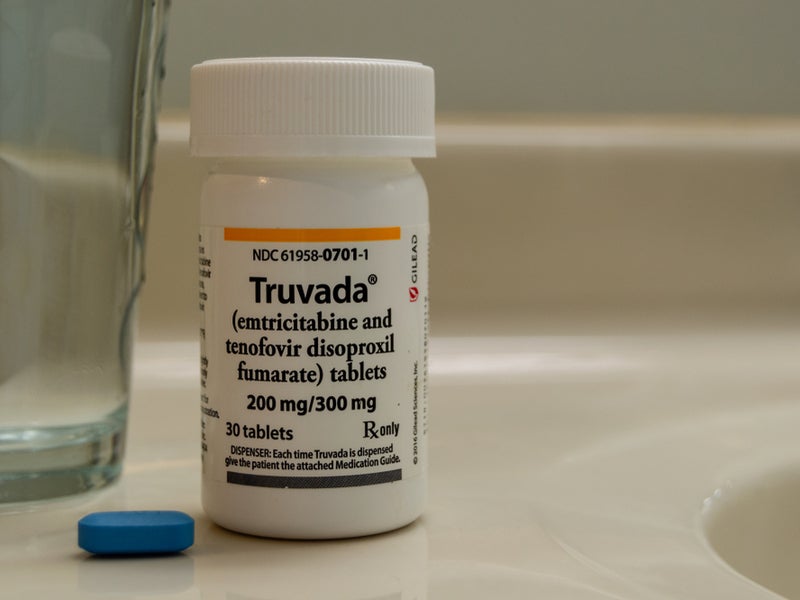
The efficacy and safety of Apretude in the treatment of HIV-1 PrEP was evaluated in two randomised, double-blind, active-controlled Phase IIb/III multicentre trials named HPTN 083 and HPTN 084, which compared Apretude with Truvada.
HPTN 083 is a non-inferiority study that enrolled 4,566 uninfected cisgender men and transgender women who showed high-risk behaviour of acquiring HIV-1 infection.
HPTN 084 is a superiority study that enrolled 3,224 uninfected cisgender women at increased risk of acquiring HIV-1. The trial was designed to include an oral lead-in phase to evaluate tolerability to cabotegravir before administering the intramuscular injection.
Participants who were randomised to receive Apretude began the clinical trial with av30mg oral tablet of cabotegravir (Vocabria) and placebo every day for up to five weeks, followed by Apretude 600mg injections in the first two months and every two months thereafter, along with a placebo tablet every day.
Participants who were randomised to receive Truvada initiated the trial by taking oral Truvada and placebo every day for up to five weeks, followed by intramuscular Truvada and placebo injections in the first and second months and every two months thereafter.
The primary outcome measure of both trials was the rate of HIV infections among the participants.
The HPTN 083 study demonstrated that participants who were administered Apretude had a 69% lower risk of HIV infection compared with those given Truvada, while the HPTN 083 study demonstrated that participants given Apretude had a 90% lower risk of HIV infection compared with those who received Truvada.
The most frequent adverse reactions observed in participants taking Apretude in the clinical trials were injection site reactions, diarrhoea, pyrexia, fatigue and sleep disturbances. Others were nausea, stomach pain, vomiting, myalgia and reduced appetite, along with back pain and upper respiratory tract infection. Adverse reactions led to the withdrawal of 6% of HPTN 083 participants and 1% of HPTN 084 participants.
Additional trials
Apretude is being evaluated in various other clinical trials including OPERA, TRIO and EXTEND 4M.
OPERA is a three-year, ongoing observational study following US adults who initiate Apretude as part of standard care in real-world clinical practice. It draws on prospectively collected electronic health record (EMR) data from 101 clinics spanning 23 US states and territories.
The study cohort comprised 764 people who initiated long-acting cabotegravir (CAB LA) for PrEP. The overall effectiveness of CAB LA was high, with 762 of 764 participants (99.7%) not diagnosed with HIV during follow-up.
TRIO is a three-year ongoing, non‑interventional study following 474 adults in the US who initiate APRETUDE as part of standard clinical care. It draws on prospectively collected EMR data from 12 clinics located across the US. Across the follow‑up period, no HIV infections were recorded among individuals receiving CAB LA for PrEP. Overall adherence was strong, with missed injections reported in 3% of participants.
EXTEND 4M is a Phase IIb ongoing trial testing an investigational intramuscular cabotegravir formulation for HIV prevention, given three times a year. It will assess the drug’s pharmacokinetics, safety and tolerability, and is intended to generate data on a potential HIV prevention option that may require fewer clinic visits while maintaining routine screening and care.
