

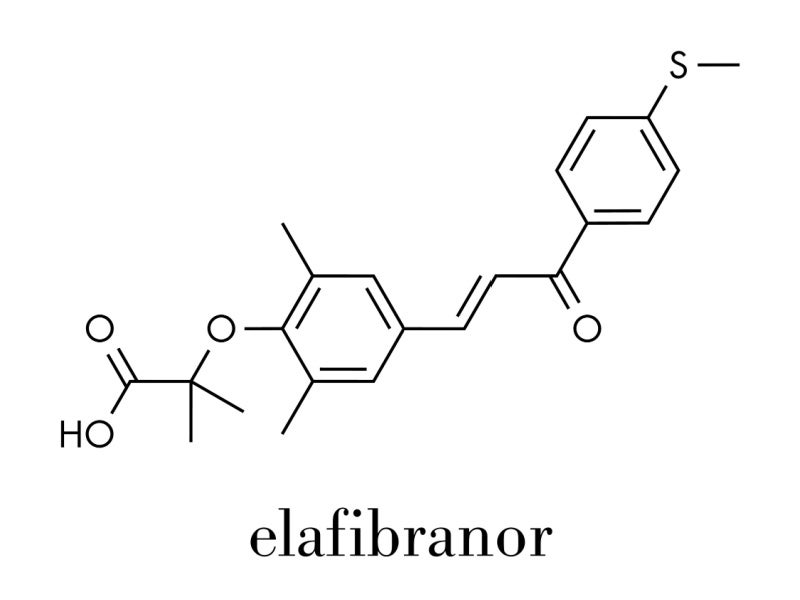

Iqirvo® (elafibranor) is a first-in-class peroxisome proliferator-activated receptor (PPAR) agonist indicated for the treatment of primary biliary cholangitis (PBC) in combination with ursodeoxycholic acid (UDCA) for adult patients who do not respond adequately to UDCA, or as the sole therapy for those who are intolerant to UDCA.
Elafibranor was originally developed by GENFIT, a biopharmaceutical company based in France.
Recommended Buyers Guides

In December 2021, Ipsen, another French biopharmaceutical company, entered into an exclusive licence agreement with GENFIT and secured the rights to develop, manufacture, and commercialise Iqirvo globally, except in China, Hong Kong, Taiwan and Macau, where Terns Pharmaceuticals, a US-based pharmaceutical company, holds the rights for Iqirvo for the treatment of non-alcoholic steatohepatitis and PBC.
Iqirvo is available for oral administration as round, orange-coloured, film-coated tablets in a dosage strength of 80mg.
Regulatory approvals for Iqirvo
In June 2024, the US Food and Drug Administration (FDA) granted accelerated approval to Iqirvo for the treatment of PBC following the FDA’s acceptance of a New Drug Application for priority review in December 2023. The FDA previously awarded breakthrough therapy designation to Iqirvo in 2019.
The FDA approval was based on the reduction of alkaline phosphatase (ALP) levels, a biochemical marker used as a surrogate endpoint in PBC clinical trials.
In September 2024, the EU approved the use of Iqirvo, granting it conditional marketing authorisation. Earlier, in July 2019, the European Medicines Agency granted orphan designation to the drug.
Iqirvo was approved by the UK Medicines and Healthcare Products Regulatory Agency in October 2024.
The Therapeutic Goods Administration of Australia and Health Canada approved the drug in March and in April 2025, respectively.
Primary biliary cholangitis causes and symptoms
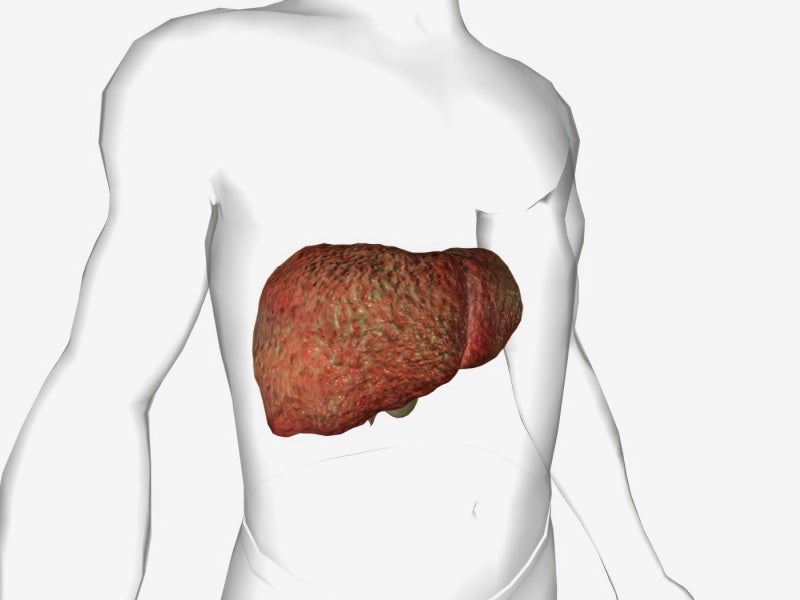
PBC, formerly known as primary biliary cirrhosis, is a chronic autoimmune disease characterised by an impaired or obstructed bile flow, known as cholestasis.
In PBC, inflammation leads to the gradual destruction of small bile ducts within the liver, resulting in the accumulation of bile and potentially severe liver complications if not treated.
In the US, the condition affects approximately 100,000 individuals, predominantly middle-aged women.
The main causes of PBC are genetic disorders, infections, cigarette smoking, chemical exposure and other environmental factors.
Although many patients exhibit no symptoms upon initial diagnosis, some symptoms can indicate the presence of the disease such as persistent fatigue and pruritus, a chronic itching sensation.
Iqirvo’s mechanism of action
Elafibranor and its principal active metabolite, GFT1007, activate PPAR-alpha (α), PPAR-gamma and PPAR-delta (δ), leading to cholesterol reduction, increased insulin sensitivity, and improved glucose and fatty acid metabolism.
The precise mechanism by which elafibranor benefits PBC patients is not fully understood. Its pharmacological actions that may be pertinent to its therapeutic impact involve the suppression of bile acid production by stimulating PPARα and PPARδ.
Notably, the activity of cholesterol 7 alpha-hydroxylase-1, the enzyme responsible for the conversion of cholesterol into bile acids, is regulated upon PPARδ activation. The regulation is influenced by a protein called fibroblast growth factor 21.
Clinical trials on Iqirvo
The accelerated approval of Iqirvo was based on the outcomes of the Phase III ELATIVE clinical trial.
ELATIVE was a multi-centre, randomised, double-blind, placebo-controlled study that assessed the efficacy and safety of Iqirvo in combination with UDCA versus a placebo with UDCA.
Approximately 161 participants were randomised in a 2:1 ratio to receive either Iqirvo or a placebo, once daily for at least 52 weeks.
The primary endpoint, a biochemical response at week 52, was achieved by 51% of patients treated with Iqirvo, compared to 4% in the placebo group.
Also, studies have shown that the reductions in alkaline phosphatase levels from baseline were sustained until week 52 in the Iqirvo cohort, with a rapid response evident as early as week four. Iqirvo treatment led to significantly enhanced improvements in cholestasis biochemical markers compared to placebo.
The most frequently reported adverse events among patients were musculoskeletal issues, obesity and abdominal discomfort, along with diarrhoea, nausea and vomiting.
In May 2026, Ipsen released a post hoc analysis of the ELATIVE study in patients who had moderate-to-severe fatigue at baseline.
The study showed that 67% of patients treated with Iqirvo achieved a clinically meaningful improvement in fatigue at week 52, compared with 31% of patients receiving placebo. Improvements were observed as early as week 4, with 62% of Iqirvo-treated patients reporting improvement in extreme exhaustion versus 31% with placebo; and 57% versus 31% were no longer too tired to think clearly.
Additional studies
The Phase IIIb ELSPIRE (NCT06383403) trial was a randomised, double-blind, placebo-controlled study designed to assess the safety of elafibranor in adults with PBC who are receiving UDCA.
The clinical trial enrolled 92 patients across ten countries with ALP levels between 1.0 and 1.67 times the upper limit of normal. Participants were randomised in a 2:1 ratio to receive Iqirvo 80mg once daily (n=62) or placebo (n=30).
The study’s primary endpoint was the proportion of patients with normalisation of ALP at week 52. The trial met its primary endpoint, demonstrating ALP normalisation in 85% of patients treated with Iqirvo compared with 23% of those receiving placebo at week 52.
The global Phase IV ELFINITY study evaluated Iqirvo in routine clinical practice and reported interim findings after three months of treatment. IQIRVO produced rapid and sustained reductions in ALP, with 55% of patients achieving a biochemical response by the third month.
More than half of patients with moderate-to-severe fatigue at baseline experienced clinically meaningful fatigue improvements, alongside clinically important reductions in pruritus. Iqirvo showed a favourable tolerability profile consistent with previous studies, with no serious or severe treatment-emergent adverse events reported during the interim analysis.
Ipsen is conducting the confirmatory ELFIDENCE trial to support the continued approval of Iqirvo.
