


Truqap® (capivasertib), in combination with Faslodex® (fulvestrant), is a novel therapeutic option for the treatment of hormone receptor (HR)-positive, HER2-negative locally advanced or metastatic breast cancer in adult patients.
It is specifically designed for those with one or more biomarker alterations (phosphatidylinositol-4, 5-bisphosphate 3-kinase catalytic subunit alpha – PIK3CA), AKT1 and phosphatase and tensin homolog – PTEN), as diagnosed by a US Food and Drug Administration (FDA)-approved test following progression on at least one endocrine-based regimen in the metastatic setting or recurrence on or within one year of completing adjuvant therapy.
Recommended Buyers Guides

The drug was developed by AstraZeneca, a UK-based pharmaceutical company, following a partnership with Astex Pharmaceuticals, a UK-based biotechnology company, together with its collaboration partners the Institute of Cancer Research, London, and Cancer Research Technology, a company owned by the cancer charity Cancer Research UK.
Truqap is available as a beige-coloured, film-coated, biconvex tablet for oral administration in round-shaped 160mg and capsule-shaped 200mg dosage strengths.
Regulatory approvals for Truqap
The FDA approved Truqap in November 2023 for use in combination with Faslodex for the treatment of advanced HR-positive breast cancer.
The US regulatory submission was given priority review and assessed through Project Orbis, a programme that facilitates simultaneous submission and evaluation of oncology medications by collaborating with international partners.
In addition, the FDA approved the FoundationOne®CDx assay as a companion diagnostic device to identify patients with breast cancer who are suitable for treatment with Truqap in combination with Faslodex.
Subsequently, the drug was approved in Japan in March 2024 and in Europe in June 2024. The drug is also approved in Australia, Canada, China, Israel, Singapore, Switzerland and the UK.
In June 2026, the US FDA authorised Truqap, used alongside abiraterone and prednisone, for the treatment of adult patients with PTEN-deficient metastatic androgen pathway modulation‑naïve or sensitive prostate cancer, previously known as metastatic hormone‑sensitive prostate cancer.
Breast cancer causes and symptoms
Breast cancer is the most prevalent cancer and a leading cause of cancer-related mortality globally. HR-positive breast cancer, which expresses estrogen or progesterone receptors, accounts for more than 65% of tumours and is often HER2-low or HER2-negative.
Mutations in PIK3CA, AKT1 and alterations in PTEN are common in advanced HR-positive breast cancer, affecting up to 50% of patients.
Endocrine therapies are the mainstay of treatment for breast cancer, although resistance to first-line therapies such as cyclin-dependent kinase (CDK) 4/6 inhibitors and oestrogen receptor-targeting treatments remains a challenge, highlighting the need for additional therapeutic options.
Lump in the breast or underarm, redness or flaky skin in the nipple area and pain around the breast are some of the common symptoms of breast cancer.
Truqap’s mechanism of action
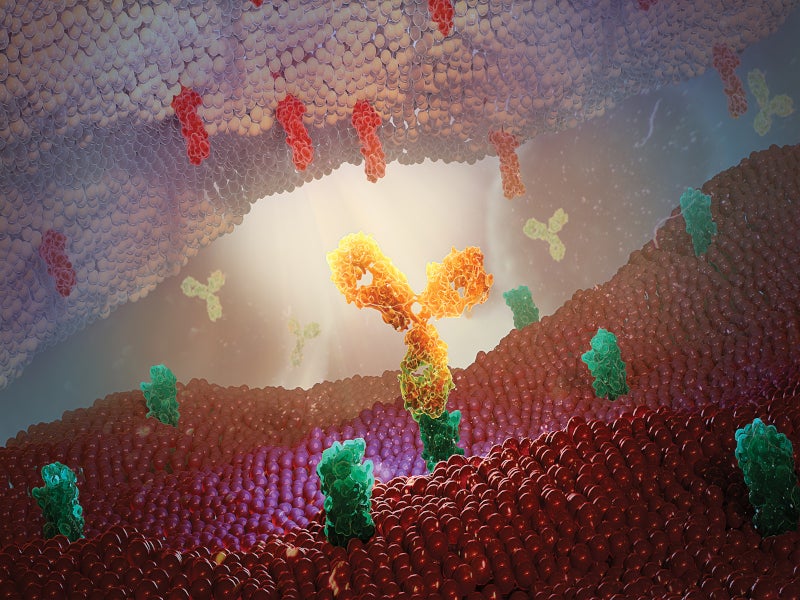
Truqap (capivasertib) stands out as a first-in-class, potent, adenosine triphosphate-competitive inhibitor that targets all three AKT isoforms.
Capivasertib prevents the phosphorylation of downstream AKT substrates. AKT activation in tumours can occur due to upstream signalling pathways, mutations in AKT1, loss of PTEN function and mutations in PIK3CA.
The drug has demonstrated the ability to reduce the growth of breast cancer cell lines, including those with relevant mutations or alterations, both in vitro and in vivo.
When combined with fulvestrant, capivasertib has shown efficacy in inhibiting tumour growth in mouse xenograft models, including ER-positive breast cancer models with PIK3CA, AKT1 and PTEN alterations. Fulvestrant functions as an endocrine therapy, slowing tumour growth by blocking and degrading the ER, which is a crucial driver of disease progression.
Clinical trials on Truqap
The FDA’s approval of Truqap was based on the results of the Phase III double-blind, randomised, placebo-controlled and multi-centre clinical trial CAPItello-291.
The trial enrolled 708 adult patients with histologically confirmed HR-positive, HER2-low or negative breast cancer that had recurred or progressed during or after aromatase inhibitor therapy, with or without a CDK4/6 inhibitor, and up to one line of chemotherapy for advanced disease.
The trial assessed the efficacy of Truqap in combination with Faslodex versus placebo plus Faslodex for the treatment of locally advanced or metastatic HR-positive, HER2-low or negative breast cancer.
Progression-free survival (PFS) in the overall patient population and a subset of patients with tumours exhibiting qualifying alterations in the PI3K/AKT pathway were the primary endpoints of the study.
Results showed that the combination of Truqap and Faslodex reduced the risk of disease progression or death by 50% compared to Faslodex alone in patients with tumours harbouring PI3K/AKT pathway biomarker alterations, with a median PFS of 7.3 versus 3.1 months.
The most common adverse reactions were diarrhoea, cutaneous reactions, increased random glucose, decreased lymphocytes and decreased haemoglobin. Other adverse reactions were increased fasting glucose, nausea, fatigue, decreased leukocytes, increased triglycerides and decreased neutrophils, as well as increased creatinine, vomiting and stomatitis.
AstraZeneca is also conducting the CAPItello‑292 Phase Ib/III study to investigate a combination regimen of capivasertib, CDK4/6 inhibitors and fulvestrant for the treatment of advanced or metastatic breast cancer.
Clinical trials for prostate cancer indication
CAPItello‑281 is an ongoing, double‑blind, randomised Phase III trial assessing the efficacy and safety of Truqap in combination with abiraterone and androgen deprivation therapy (ADT), compared with abiraterone plus ADT and placebo, in patients with PTEN‑deficient de novo mHSPC.
The global study enrolled 1,012 adults with histologically confirmed de novo hormone‑sensitive prostate adenocarcinoma and centrally confirmed PTEN deficiency. The primary endpoint is investigator‑assessed radiographic PFS (rPFS), with overall survival evaluated as a key secondary endpoint.
The CAPItello-281 trial demonstrated that adding Truqap to abiraterone and ADT resulted in a statistically significant 19% reduction in the risk of radiographic disease progression or death, compared with abiraterone plus ADT and placebo and a median rPFS benefit of 7.5 months. Median rPFS was 33.2 months versus 25.7 months for the comparator regimen.
