

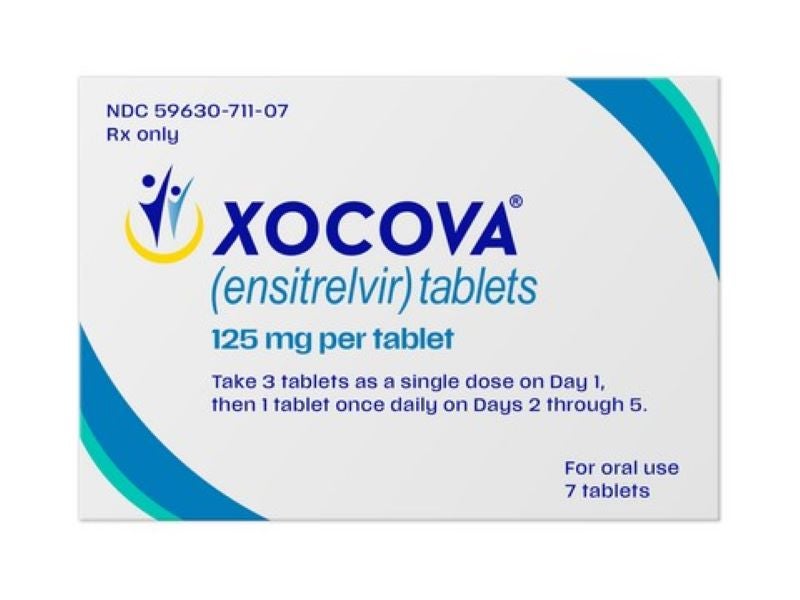
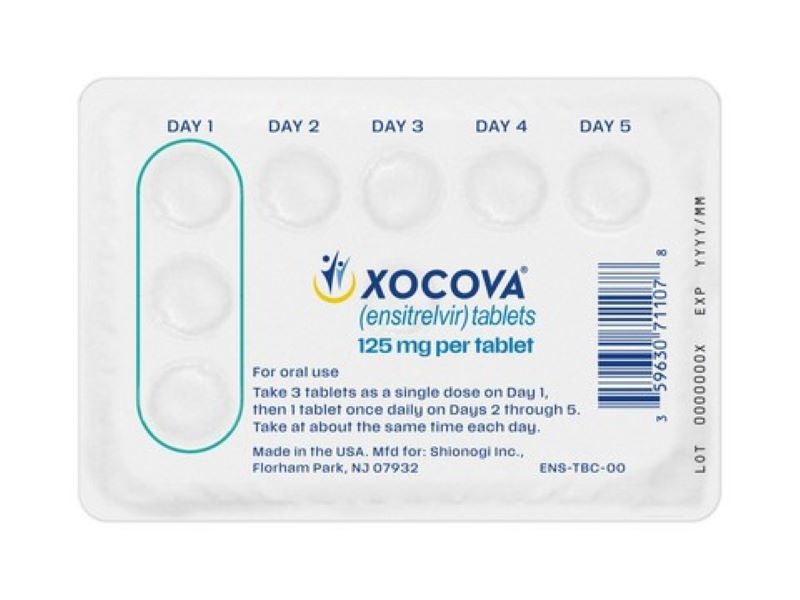
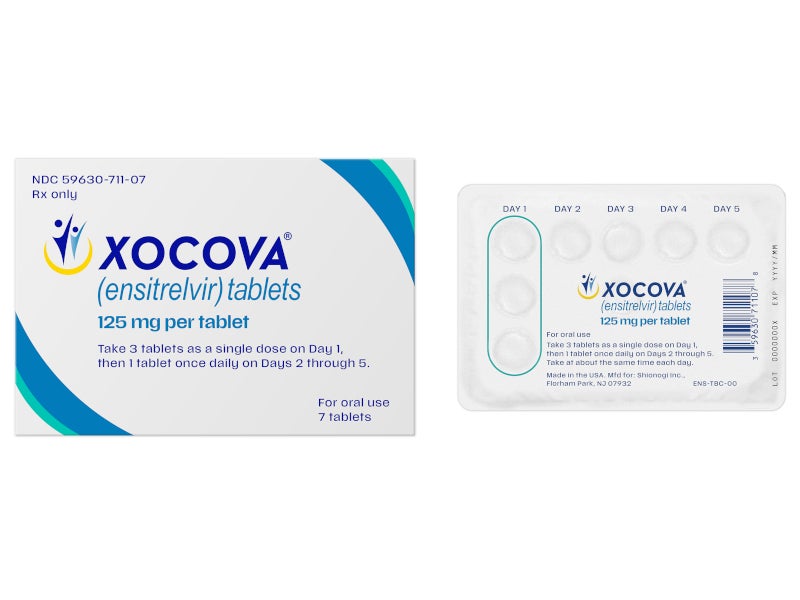
XOCOVA® (ensitrelvir) is authorised for the treatment of post-exposure prophylaxis (PEP) of coronavirus disease 2019 (Covid‑19) in adults and adolescents aged 12 years and above following contact with a person with confirmed Covid‑19.
Developed by Shionogi, XOCOVA is available as white to light yellowish‑white, round tablets.
Recommended Buyers Guides

The approved dosing regimen is a once daily, five‑day oral course. On day one, the recommended dose is 375mg, administered as three 125mg tablets taken together. On days two to five, the recommended dose is 125mg, administered as a single 125mg tablet once daily.
Regulatory approvals for XOCOVA
XOCOVA was originally discovered through collaborative clinical research between Hokkaido University and Shionogi, with the initial development focusing on treating symptomatic Covid‑19 by suppressing viral replication.
In November 2022, XOCOVA received emergency regulatory authorisation for the treatment of severe acute respiratory syndrome coronavirus 2 (SARS‑CoV‑2) infection from Japan’s Ministry of Health, Labour and Welfare (MHLW). The MHLW granted full approval to the drug in March 2024.
In 2023, the product was approved in Singapore through the Special Access Route application.
In March 2026, XOCOVAwas approved for PEP of Covid‑19 in Japan. The US Food and Drug Administration (FDA) approved the drug for the same indication in May 2026. XOCOVA is not authorised for the treatment of Covid‑19 in the US.
In June 2026, Shionogi obtained additional approval in Japan for a paediatric dosage regimen for XOCOVA in children aged six to under 12 years, weighing at least 20kg, for the treatment of Covid‑19. At the same time, newly formulated 25mg tablets were also authorised.
Regulatory review of XOCOVAfor treatment of PEP of Covid‑19 is ongoing in Taiwan. In Europe, the European Medicines Agency is assessing XOCOVAfor both the treatment of Covid‑19 and PEP.
Covid-19 causes and symptoms
Coronavirus disease is an infectious illness caused by the SARS‑CoV‑2 virus.
In most cases, infected individuals develop mild to moderate respiratory symptoms and recover without the need for specialised medical care. A proportion of patients, however, experience more severe symptoms and require clinical management.
Older adults and people with pre‑existing conditions such as cardiovascular disease, diabetes, chronic respiratory disease or cancer are at increased risk of serious outcomes. Severe illness and death can occur at any age. Many people have mild to moderate disease and do not require hospital admission.
Commonly reported symptoms of Covid‑19 include fever, cough, fatigue and loss of taste or smell.
SARS‑CoV‑2 continues to spread, largely due to the Omicron and other variants, with evidence suggesting that as many as 47% of individuals sharing a household with an infected person may go on to contract Covid‑19.
The US Centres for Disease Control and Prevention estimates that between October 2025 and May 2026, the US recorded approximately 3.8–12.4 million incident infections, translating to around 800,000–2.3 million outpatient consultations, 120,000–240,000 hospital admissions and 13,000–42,000 deaths.
XOCOVA’s mechanism of action
XOCOVA is described as the first single‑entity, non‑peptidic, non‑covalent small‑molecule antiviral in its class.
The active ingredient, ensitrelvir, targets the SARS‑CoV‑2 main protease (Mpro), also known as 3C‑like protease or non‑structural protein 5 protease, which is essential for the replication of the virus.
Inhibiting Mpro prevents the proteolytic processing of the viral polyproteins pp1a and pp1ab, thereby blocking viral replication.
Clinical trials on XOCOVA
The approvals from the US FDA and MHLW were supported by data from the SCORPIO‑PEP clinical study, which is the only Phase III trial of an oral antiviral to achieve its primary endpoint of preventing symptomatic Covid‑19 after exposure to an infected person.
SCORPIO‑PEP was a randomised, double‑blind, placebo‑controlled, multinational PEP study conducted in five countries to evaluate XOCOVA in asymptomatic adult and adolescent participants at standard or high risk who were considered not to be infected with SARS‑CoV‑2 at enrolment.
The modified intention‑to‑treat (mITT) population comprised 1,030 participants assigned to ensitrelvir and 1,011 assigned to placebo.
Participants were randomised (1:1) to receive XOCOVA (375mg on the first day followed by 125mg on days two to five) or a matching placebo once daily for five days. Enrolment occurred within 72 hours of symptom onset in a household index case of Covid‑19.
The primary endpoint was the proportion of participants who developed Covid‑19 within ten days of randomisation in the mITT cohort. The secondary endpoint mirrored the primary endpoint but was analysed in the intention‑to‑treat (ITT) population.
Eligible individuals were aged 12 years or older, had a negative SARS‑CoV‑2 test at screening and resided in the same household as the index patient for the study duration. Individuals receiving, or expected to receive, medicinal products contraindicated with XOCOVA were excluded.
The study met both the primary and key secondary endpoints, with XOCOVA reducing the risk of symptomatic Covid‑19 by 67% through day ten in previously uninfected individuals following exposure, compared with placebo.
For the key secondary endpoint at day ten in the ITT population, the risk reduction was 57%.
The most commonly reported adverse events, regardless of causality, that occurred in at least 1% of participants receiving XOCOVA and at a higher frequency than in the placebo group were headache, diarrhoea and cough.
