
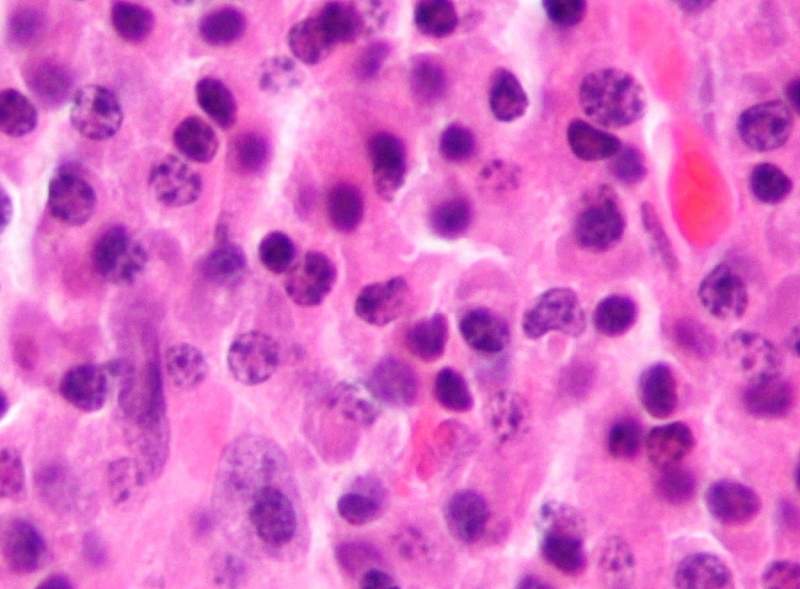
Seattle Genetics has dosed the first patient in a Phase I clinical trial to examine the safety and tolerability of SEA-BCMA to treat patients with relapsed or refractory multiple myeloma (MM).

The open-label, multi-centre trial is expected to enrol around 65 patients in the US.
Seattle Genetics plans to carry out a dose escalation phase followed by an expansion period.
In the dose escalation cohort, the trial is expected to assess the safety and tolerability of SEA-BCMA, as well as determine the maximum tolerated dose.
The expansion stage is designed to collect further data regarding safety and antitumour activity.
Primary endpoints of the trial are treatment-emergent adverse events (TEAEs), grade three or higher adverse events (AEs), serious adverse event (SAE), and others.
Secondary endpoints include pharmacokinetic (PK) outcome, incidence of SEA-BCMA antitherapeutic antibodies (ATA) and overall survival (OS).
Seattle Genetics chief medical officer Roger Dansey said: “Despite recent advances in the treatment of multiple myeloma, it remains an incurable disease with a need for active and well-tolerated agents.
“BCMA is a validated therapeutic target for multiple myeloma.
“SEA-BCMA represents a novel empowered antibody treatment approach that has demonstrated antitumour activity and an acceptable safety profile in preclinical evaluation to date.”
SEA-BCMA is an experimental antibody developed using Seattle Genetics’ sugar engineered antibody (SEA) technology that aims to improve antibody-dependent cellular cytotoxicity.
MM is an aggressive form of cancer that develops in plasma cells. It is estimated to be the second most common blood cancer in the US.


