

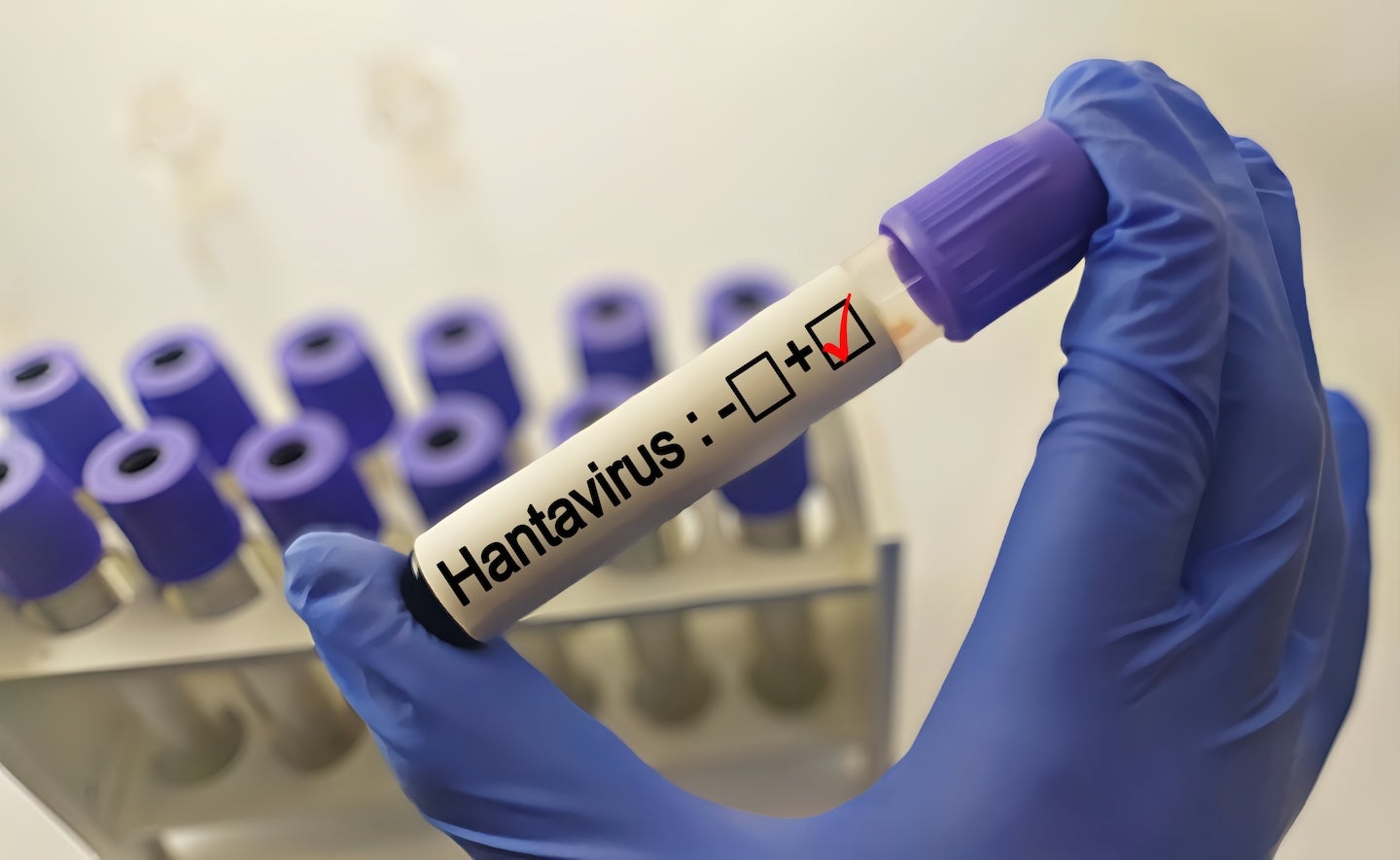
On 2 May 2026, the World Health Organization (WHO) was notified of an outbreak of severe acute respiratory illnesses occurring on a Dutch-flagged cruise ship, known as the MV Hondius, whereby two deaths and one critically ill passenger were reported. As of 11 May, the number has increased to ten cases, including three deaths. Of these cases, seven were confirmed to be hantavirus, and the remaining are suspected hantavirus cases.
The virus is thought to have been acquired prior to boarding the ship, potentially originating from a passenger who went bird watching at a landfill outside of Ushuaia, Argentina. The ship departed from Ushuaia on 1 April 2026, and included 150 passengers and crew from 28 countries. The ship then travelled across the South Atlantic to St Helena, whereby 29 passengers disembarked from their journey on 24 April. The WHO has informed 12 countries (Canada, Denmark, Germany, the Netherlands, New Zealand, Saint Kitts and Nevis, Singapore, Sweden, Switzerland, Türkiye, the UK, and the US) whose nationals had left the cruise ship. As of 11 May, the ship has docked in the Canary Islands, and passengers have begun evacuating to their respective countries of origin under close surveillance by health officials. Two new virus cases (one passenger from France, another from the US) have been identified from passengers evacuating the cruise thus far.
Go deeper with GlobalData


Access deeper industry intelligence
Experience unmatched clarity with a single platform that combines unique data, AI, and human expertise.
Hantaviruses are zoonotic viruses that typically infect rodents; however, some species of this virus can be transmitted to humans via exposure to infected rodent urine, saliva, or feces. The species of virus responsible for the current outbreak is the Andes virus, which is typically found in South America and is the only type of hantavirus capable of human-to-human transmission under close contact. Forms of close contact include direct physical contact, prolonged time spent in close / enclosed spaces, and exposure to body fluids. Symptoms of the infection can appear between four and 42 days after exposure, with early symptoms including fever, fatigue and muscle aches. However, the infection can also develop into hantavirus cardiopulmonary syndrome, which has a case-fatality rate between 20% and 40%. Theres is currently no specific antiviral treatment or vaccine for hantavirus, therefore treatment focuses on the management of respiratory and cardiac complications.
Despite concerns of pandemic potential from the general public, WHO director Dr Tedros Ghebreyesus has defined the public health risk as low. Additionally, the virus has a lower rate of transmission compared than Covid-19, as it spreads via close contact. In comparison, Covid-19 required widespread vaccination programs to halt the spread of the disease. GlobalData epidemiologists forecast that in the seven major markets (7MM: the US, France, Germany, Italy, Spain, the UK, and Japan), 590.7 million men and women of all ages received a primary vaccination course for Covid-19 in 2026.

